Kirjojen hintavertailu. Mukana 11 627 220 kirjaa ja 12 kauppaa.

Kirjahaku

Etsi kirjoja tekijän nimen, kirjan nimen tai ISBN:n perusteella.

5 kirjaa tekijältä Hal Rothman

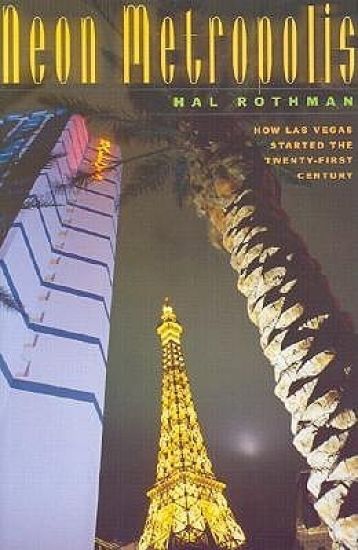
Neon Metropolis

Neon Metropolis

Hal Rothman

Routledge
2002
sidottu
Praise for the Previous Edition (0 415 92612 2): ...lively and provocative...this book will teach you something startling on nearly every page... --The New York Times Book Review Like the Emerald City, Las Vegas glitters brightly in the vast Nevada desert, a haven for refugees from ordinary America. A hip, iconic, playground that exports nothing, it nonetheless earns billions from consumer services alone -- gambling, hotels, gaming, and entertainment. It is, historian Hal Rothman argues, the quintessential city of the future. As other cities try to mirror its success and huge, respectable corporations like Coca-Cola invest in a piece of the pie, the very traits that have ostracized Las Vegas in the past -- hedonism, money worship, and permissiveness -- have today made it America's fastest growing urban center. From the gambling-driven, mob-run Sin City of the 1940s to the corporatization of the Strip as a respectable family entertainment center after the 1970s, Las Vegas has shown incredible economic resilience and adaptability. The first full account of America's new dream capital, Neon Metropolis brilliantly shows how Las Vegas gambled on the post-industrial service economy well before the rest of the country knew it was coming, and won.
Neon Metropolis

Neon Metropolis

Hal Rothman

Routledge
2003
nidottu
Praise for the Previous Edition (0 415 92612 2): ...lively and provocative...this book will teach you something startling on nearly every page... --The New York Times Book Review Like the Emerald City, Las Vegas glitters brightly in the vast Nevada desert, a haven for refugees from ordinary America. A hip, iconic, playground that exports nothing, it nonetheless earns billions from consumer services alone -- gambling, hotels, gaming, and entertainment. It is, historian Hal Rothman argues, the quintessential city of the future. As other cities try to mirror its success and huge, respectable corporations like Coca-Cola invest in a piece of the pie, the very traits that have ostracized Las Vegas in the past -- hedonism, money worship, and permissiveness -- have today made it America's fastest growing urban center. From the gambling-driven, mob-run Sin City of the 1940s to the corporatization of the Strip as a respectable family entertainment center after the 1970s, Las Vegas has shown incredible economic resilience and adaptability. The first full account of America's new dream capital, Neon Metropolis brilliantly shows how Las Vegas gambled on the post-industrial service economy well before the rest of the country knew it was coming, and won.
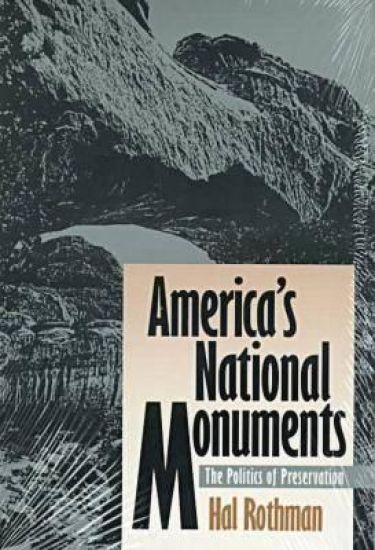
America's National Monuments

America's National Monuments

Hal Rothman

University Press of Kansas
1994
nidottu
By examining the history of the national monuments, from the passage of the Antiquities Act of 1906 to the present, this book traces the evolution of federal preservation. The author shows how laws, policies, personalities, personal and bureaucratic rivalries have affected preservation efforts.
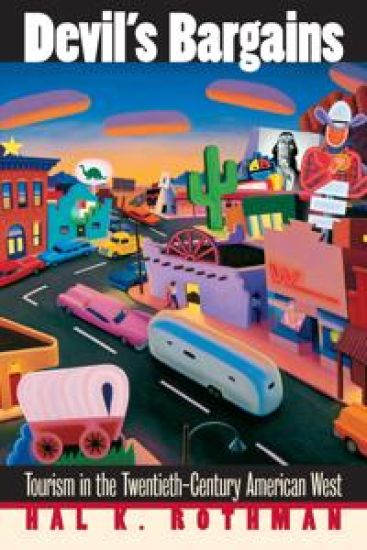
Devil's Bargains

Devil's Bargains

Hal Rothman

University Press of Kansas
1998
nidottu
The American West has always been seen as a land of opportunity, but tourism has transformed it into a land of opportunism. From Sun Valley to Santa Fe, towns all over the region have been turned over to outsiders - not just those who visit, but those who control. There's no denying that tourism has been a blessing for many: it's brought economic and cultural prosperity to communities without obvious means of support and allowed towns on the brink of ruin to renew themselves. But in too many cases, the costs of tourism have challenged the benefits and proven it to be a devil's bargain. Environmental historian Hal Rothman examines the impact of tourism on the West in the 20th century to illuminate that industry's darker side. He tells how tourism evolved from Grand Canyon railroad trips to Sun Valley ski weekends to Disneyland vacations, and how the post-World War II boom in air travel and luxury hotels capitalized on Americans' newfound leisure and income. He identifies three dominant forms of tourism - cultural, recreational and entertainment - and shows how they've melded together as the tourism industry has begun to transform everyday places into images of what visitors expect to see. From major destinations like Las Vegas to revitalized towns like Aspen and Moab, Rothman reveals how the initial development of tourism may seem inocuous at first; but residents ultimately realize that control of their communities has been placed in the hands of corporate financiers and that they've lost the very authority they sought to preserve. Because tourism often results in a redistribution of wealth and power, observes Rothman, it represents a new form of colonialism for the region - not East over West, but haves over have-nots. By sharing stories of real places and the experiences of real people that depict the true nature of tourism, Rothman doesn't just document change but enables us to understand why and how it takes place. Balancing historical perspective with an eye for what is now happening in the region, his book aims to set the standard for the study of tourism.
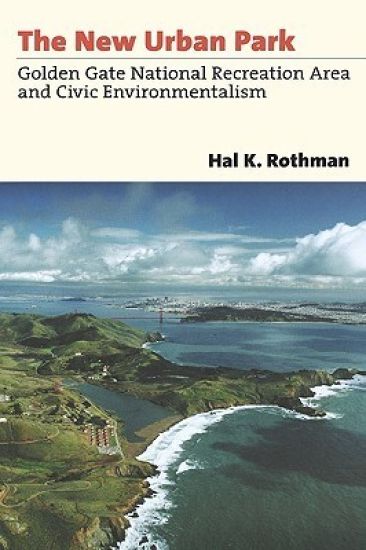
The New Urban Park

The New Urban Park

Hal Rothman

University Press of Kansas
2004
sidottu
From Yellowstone to the Great Smoky Mountains, America's national parks are sprawling tracts of serenity. This book looks at the new phenomenon of urban parks, focusing on San Francisco's Golden Gate National Recreation Area as a prototype for the 21st century.