Kirjojen hintavertailu. Mukana 12 390 323 kirjaa ja 12 kauppaa.

Kirjahaku

Etsi kirjoja tekijän nimen, kirjan nimen tai ISBN:n perusteella.

3 kirjaa tekijältä Hans M. Moscicke

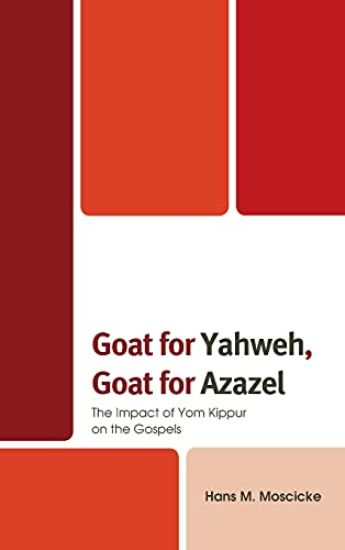
Goat for Yahweh, Goat for Azazel

Goat for Yahweh, Goat for Azazel

Hans M. Moscicke

BLOOMSBURY PUBLISHING PLC
2021
sidottu
This book explores the influence of the Day of Atonement on the Gospels. In the first chapter, Hans M. Moscicke studies the effect of Yom Kippur traditions on Matthew’s Final Judgment episode (Matt 25:31–46), arguing that the evangelist portrays the expulsion of the unrighteous as a purgative event resembling the yearly expulsion of iniquity from the temple by means of the scapegoat. In Chapter Two, he contends that Matthew constructs a goat-for-Yahweh typology in his baptism scene (Matt 3:16–17) and a goat-for-Azazel typology in his temptation narrative (Matt 4:1–11). He argues in the third chapter that Luke’s narrative regarding Jesus’s visit to Nazareth (Luke 4:16–30) has been shaped by Jubilee and Yom Kippur traditions. In Chapter Four he explores the impact of ancient elimination rituals and scapegoat traditions on the Gerasene exorcism pericopae (Mark 5:1–20 parr.). Finally, in the final chapter he investigates the influence of the Day of Atonement on John’s resurrection narrative (John 20:11–23), especially his allusion to the cherubim and atonement slate in John 20:20.
Goat for Yahweh, Goat for Azazel

Goat for Yahweh, Goat for Azazel

Hans M. Moscicke

BLOOMSBURY PUBLISHING PLC
2023
nidottu
This book explores the influence of the Day of Atonement on the Gospels. In the first chapter, Hans M. Moscicke studies the effect of Yom Kippur traditions on Matthew’s Final Judgment episode (Matt 25:31–46), arguing that the evangelist portrays the expulsion of the unrighteous as a purgative event resembling the yearly expulsion of iniquity from the temple by means of the scapegoat. In Chapter Two, he contends that Matthew constructs a goat-for-Yahweh typology in his baptism scene (Matt 3:16–17) and a goat-for-Azazel typology in his temptation narrative (Matt 4:1–11). He argues in the third chapter that Luke’s narrative regarding Jesus’s visit to Nazareth (Luke 4:16–30) has been shaped by Jubilee and Yom Kippur traditions. In Chapter Four he explores the impact of ancient elimination rituals and scapegoat traditions on the Gerasene exorcism pericopae (Mark 5:1–20 parr.). Finally, in the final chapter he investigates the influence of the Day of Atonement on John’s resurrection narrative (John 20:11–23), especially his allusion to the cherubim and atonement slate in John 20:20.
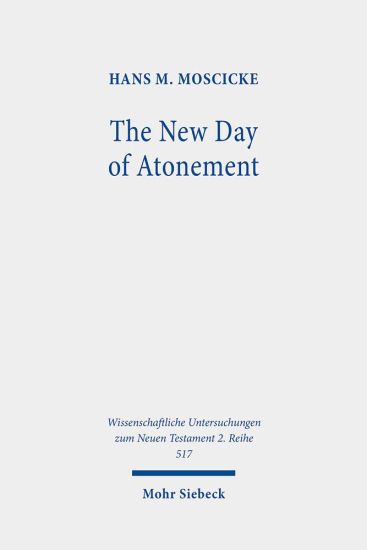
The New Day of Atonement

The New Day of Atonement

Hans M. Moscicke

Mohr Siebeck
2020
nidottu
In this work, Hans M. Moscicke investigates the influence of the Day of Atonement on Matthew's passion narrative. The author argues that the First Evangelist crafts a sustained Yom Kippur typology in the twenty-seventh chapter of his Gospel and then remodels the Barabbas episode (Matt 27:15-26) as a Yom Kippur lottery between two "goats". Pilate acts as high priest, designating Jesus as the immolated goat and Barabbas, along with the crowd, as a sin-bearing scapegoat. Matthew also casts Jesus as a scapegoat in the Roman-abuse scene (Matt 27:27-31), in which he depicts Jesus as physically receiving the sins of the world upon himself. Finally, the author suggests that Matthew, in his death-resurrection narrative (Matt 27:50-54), conceives Jesus as offering his life-force to God as the sacrificial goat for YHWH and descending to the realm of the dead as the goat for Azazel.