
Kirjahaku
Etsi kirjoja tekijän nimen, kirjan nimen tai ISBN:n perusteella.
28 kirjaa tekijältä Harold J Recinos
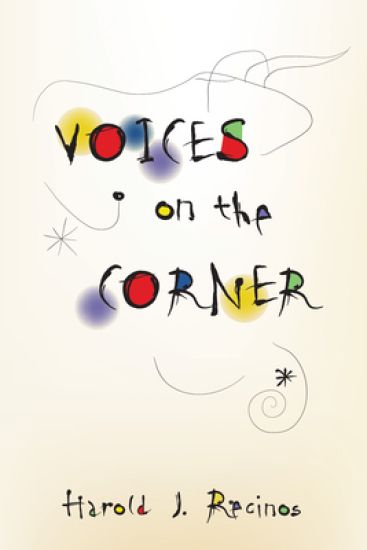
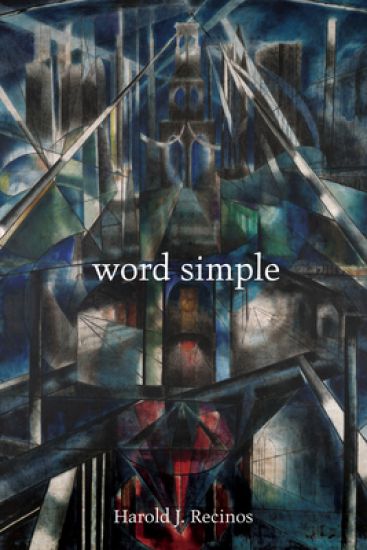
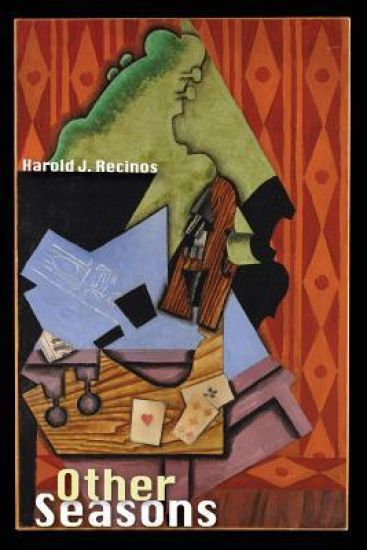
Recinos fell in love with poetry growing up on the streets, after being abandoned by immigrant Latino parents. Finding shelter in public libraries, Recinos discovered that poetry was a way to make sense of living on the streets in the pitiable condition of teen homelessness and heroin addiction. After being unofficially adopted at the age of sixteen into a white American family from Ohio that moved to New York, he began a drug-free life, went to college, and eventually earned a PhD in cultural anthropology with honors from The American University in Washington, DC. Breathing Space is a poetry collection that raises to the level of consciousness the beauty and obstinate spirit of workers, mothers, grandmothers, brothers, sisters, revolutionaries, undocumented immigrants, and those considered unworthy of love. Recinos' poetry celebrates and chastises the inner workings of the American Dream and moves readers to develop a compassionate awareness for the hopes, struggles, and suffering of the most vulnerable members of society. Recinos' poetry not only expresses outrage and despair in the face of unjust suffering in the world, but the poems uniquely invite readers to see the beauty of people at the edges of society. ""Recinos is a poet of empathy, conviction, and indomitable faith. He speaks for those who, like him, have eaten the 'bitter bread' of social oppression, but unlike him, 'have found their way / into dark boxes marked for the grave, ' be they junkies, the destitute, or the immigrant poor. He grieves the loss of America's commitment to justice, the 'impossible dream, ' and extols both nation and God to build 'a place to call home.'"" --Orlando Menes, Professor, English Department, College of Arts and Letters, University of Notre Dame ""Breathing Space is a beautiful collection of poems that exemplify a breath of fresh air. Harold Recinos writes intimate compositions of his personal and community experiences that have become an integral part of this other American way of life. Though he underscores a life of despair, hunger, sadness, solitude, and tragedy, Recinos also announces a cycle of love, celebration, happiness, triumph, hope, justice and, above all, salvation and resurrection."" --Luis William, Gertrude Conaway Vanderbilt Professor of Spanish ""Recinos adds his sonorous voice to the struggles of our times. He is a poet of witness and quiet rage. His poems stitch a tapestry that goes beyond the personal and into the universal human necessity for dignity and beauty and truth. Breathing Space is a book everyone must read."" --Virgil Suarez, Professor, English Department, Florida State University Harold J. Recinos is Professor of Church and Society at the Perkins School of Theology at Southern Methodist University. Among his recent publications are Harold J. Recinos, ed. Wading Through Many Voices: Toward a Theology of Public Conversation (Roman and Littlefield, 2011); Voices on the Corner (Wipf and Stock, 2015); Crossing Bridges (Floricanto Press, 2016); Other Seasons (Wipf and Stock, 2017); and Word Simple (Wipf and Stock, 2017). Recinos completed the Doctor of Philosophy with honors in cultural anthropology in 1993 from the American University in Washington, DC.
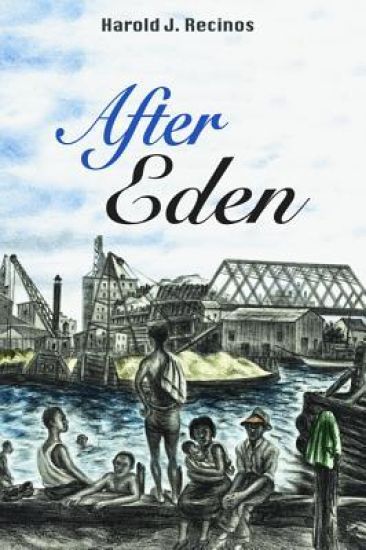
Recinos discovered a love for poetry living on the streets after being abandoned by immigrant Latino parents. At age sixteen, a White Presbyterian minister made him a part of his family and guided him back to school. Recinos finished high school, attended undergraduate school in Ohio and later graduate school in New York, where he befriended the Nuyorican poet the late Miguel Pinero who encouraged him to write and read poetry at the Nuyorican poets cafe. After Eden registers life at the edges of American society in ways that are both personal and universal in human experience. In this collection, poems address issues of police brutality, gun violence, immigrants' rights, the blighted urban landscape, death, hunger, religious violence, drug addiction, pluralism, spirituality, family life, political corruption, cultural cruelty, struggles for justice, and the pulse of everyday life in overlooked places. The metaphor in the title is reflected in poems that record the sounds of kindness and cruelty, sorrows and joys, greed and generosity, inequality and powerlessness, good and evil, death and life in the context of struggles to live meaningfully awake--consciously--in society. ""Summoning 'South Bronx spirits, ' admonishing 'the distribution clerks in heaven, ' and invoking 'the brown God / who causes panic in white churches, ' the poetry of Harold Recinos' After Eden offers praises and dispraises, advocating for the stranger, the migrant, the most vulnerable among us, all while denouncing those who oppress them. After Eden is an urgent poetry of outrage, searching faith, and compassion for 'all trampled beings' in 'a world too often dressed for mourning.'"" --Michael Dowdy, author of Broken Souths: Latina/o Poetic Responses to Neoliberalism and Globalization ""In over 100 poems, Harold J. Recinos brings us unflinching witnesses to the treacheries of the modern world. They bring us as close to grieving as we can bear before pulling us toward the knowledge that we must bear it, and must reach out persistently with a blind hand of faith, or hang on by a finger-grip to the immutable belief that words matter, that words can hurt, but they can also save our lives."" --Yvette D. Benavides, Our Lady of the Lake University, San Antonio, Texas ""The poems in After Eden capture the utopic contradictions that haunt and form how we dream in the United States. . . . With each poem, we encounter the pain and beauty of ordinary people who carve a life out of the imbalance of social existence. Ultimately, After Eden exhorts us, through the elegance and ardor of its poetic vision, to imagine a more just and loving world."" --Richard Perez, John Jay College of Criminal Justice, City University of New York ""After Eden is a collection of poems--the term seems somehow inadequate, artificial, and constricting--springing from lo cotidiano ('the day-to-day') of Latino/a life in these United States. As such they serve as a cry of despair, stubbornly clinging to hope while embodying the most challenging form of love: solidarity. . . . I know a prophetic voice when I hear it. Let those with ears to hear listen."" --Ruben Rosario Rodriguez, Saint Louis University Harold J. Recinos is professor of Church and Society at the Perkins School of Theology at Southern Methodist University. Among his recent publications are Good News from the Barrio: Prophetic Witness for the Church (2006); Voices on the Corner (2015); Crossing Bridges (2016); and Breathing Space (2017). He completed the Doctor of Philosophy with honors in cultural anthropology in 1993 from the American University in Washington DC. Since the mid-1980s, Recinos has worked with the Salvadoran refugee community and with marginal communities in El Salvador on issues of human rights.
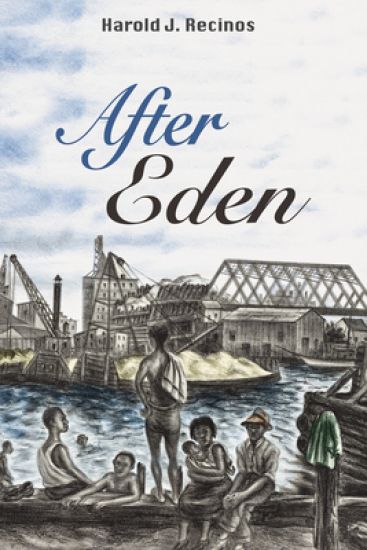
Recinos discovered a love for poetry living on the streets after being abandoned by immigrant Latino parents. At age sixteen, a White Presbyterian minister made him a part of his family and guided him back to school. Recinos finished high school, attended undergraduate school in Ohio and later graduate school in New York, where he befriended the Nuyorican poet the late Miguel Pinero who encouraged him to write and read poetry at the Nuyorican poets cafe. After Eden registers life at the edges of American society in ways that are both personal and universal in human experience. In this collection, poems address issues of police brutality, gun violence, immigrants' rights, the blighted urban landscape, death, hunger, religious violence, drug addiction, pluralism, spirituality, family life, political corruption, cultural cruelty, struggles for justice, and the pulse of everyday life in overlooked places. The metaphor in the title is reflected in poems that record the sounds of kindness and cruelty, sorrows and joys, greed and generosity, inequality and powerlessness, good and evil, death and life in the context of struggles to live meaningfully awake--consciously--in society. ""Summoning 'South Bronx spirits, ' admonishing 'the distribution clerks in heaven, ' and invoking 'the brown God / who causes panic in white churches, ' the poetry of Harold Recinos' After Eden offers praises and dispraises, advocating for the stranger, the migrant, the most vulnerable among us, all while denouncing those who oppress them. After Eden is an urgent poetry of outrage, searching faith, and compassion for 'all trampled beings' in 'a world too often dressed for mourning.'"" --Michael Dowdy, author of Broken Souths: Latina/o Poetic Responses to Neoliberalism and Globalization ""In over 100 poems, Harold J. Recinos brings us unflinching witnesses to the treacheries of the modern world. They bring us as close to grieving as we can bear before pulling us toward the knowledge that we must bear it, and must reach out persistently with a blind hand of faith, or hang on by a finger-grip to the immutable belief that words matter, that words can hurt, but they can also save our lives."" --Yvette D. Benavides, Our Lady of the Lake University, San Antonio, Texas ""The poems in After Eden capture the utopic contradictions that haunt and form how we dream in the United States. . . . With each poem, we encounter the pain and beauty of ordinary people who carve a life out of the imbalance of social existence. Ultimately, After Eden exhorts us, through the elegance and ardor of its poetic vision, to imagine a more just and loving world."" --Richard Perez, John Jay College of Criminal Justice, City University of New York ""After Eden is a collection of poems--the term seems somehow inadequate, artificial, and constricting--springing from lo cotidiano ('the day-to-day') of Latino/a life in these United States. As such they serve as a cry of despair, stubbornly clinging to hope while embodying the most challenging form of love: solidarity. . . . I know a prophetic voice when I hear it. Let those with ears to hear listen."" --Ruben Rosario Rodriguez, Saint Louis University Harold J. Recinos is professor of Church and Society at the Perkins School of Theology at Southern Methodist University. Among his recent publications are Good News from the Barrio: Prophetic Witness for the Church (2006); Voices on the Corner (2015); Crossing Bridges (2016); and Breathing Space (2017). He completed the Doctor of Philosophy with honors in cultural anthropology in 1993 from the American University in Washington DC. Since the mid-1980s, Recinos has worked with the Salvadoran refugee community and with marginal communities in El Salvador on issues of human rights.
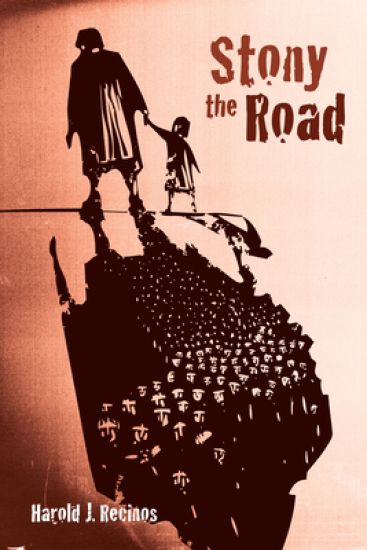
Recinos' love for poetry dates back to being abandoned by Latino parents at age twelve to live on New York City streets. When he turned sixteen, he was taken into the family of a white Presbyterian minister and guided back to school. After finishing high school, Recinos attended undergraduate school in Ohio and graduate school in New York, where he befriended the Nuyorican poets Miguel Pinero and Pedro Pietri, who encouraged him to write and read poetry at the Nuyorican Poets Cafe. Stony the Road engages life outside of mainstream American society and picks its way through places of despair and marginality to the revelations of belonging that protest indifference and inequality. The collection raises questions and proposes responses to the crisis of understanding in economic and political life, as well as the cultural narrative that America welcomes strangers. The poems tap into the changing mood of American life and the obscured world of rejected human beings and communities by exploring lives worth telling. ""Harold Recinos takes us on a long journey in this expansive collection of poems touching on the many challenges we face in light of current events. He gives us defiance in the face of injustice, faith in the face of despair, intimacy in the face of the impersonal, memory in the face of erasure, wisdom in the face of willful ignorance, and most importantly, honesty in the face of deceit."" --James Daniels, Carnegie Mellon University ""In a world where titans of power crush the life out of our Latinx communities, Recinos brandishes pen andpalabrato strike down these bloodthirsty foes. His syncopated syntax and striking semiology reach deep into those conquests of time past and present that have noosed necks and obliterated our peoples. Yet, Recinos tunnels through this darkness into an exploding light of fellowship."" --Frederick Luis Aldama, The Ohio State University ""Harold Recinos' new book of poetry, Stony the Road, affirms the humanity of the dispossessed and shines an ethical light on the persistence of colonial violence that mars the gritty lives of the many. Stony the Roadinsists on love as the foundation of a just realm. Here ancient wisdom informs our world to exorcise the pathologies of power that plague us."" --Richard Perez, John Jay College of Criminal Justice, CUNY ""Powerful, poignant, and piercing, Recinos' poetry offers insights into the human experience that hearken back to a history of suffering and oppression, and to a present that offers new challenges and opportunities. Read it for fuel and to renew your passion for a better and more just world."" --Pedro A. Noguera, UCLA Graduate School of Education & Information Studies Harold J. Recinos is professor of church and society at the Perkins School of Theology at Southern Methodist University. Among his recent publications are Good News from the Barrio: Prophetic Witness for the Church; Wading Through Many Voices: Toward a Theology of Public Conversation; Crossing Bridges; Breathing Space; and After Eden. He earned a doctor of philosophy with honors in cultural anthropology in 1993 from the American University in Washington, DC. Since the mid-1980s, Recinos has worked with the Salvadoran refugee community and with marginal communities in El Salvador on issues of human rights.
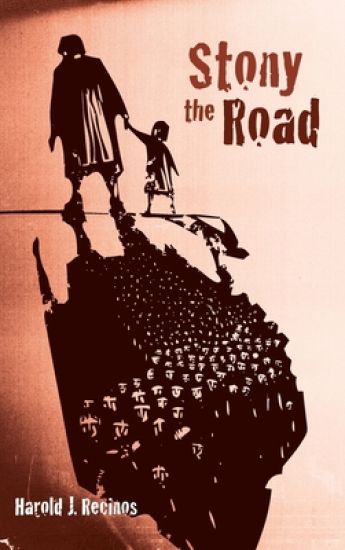
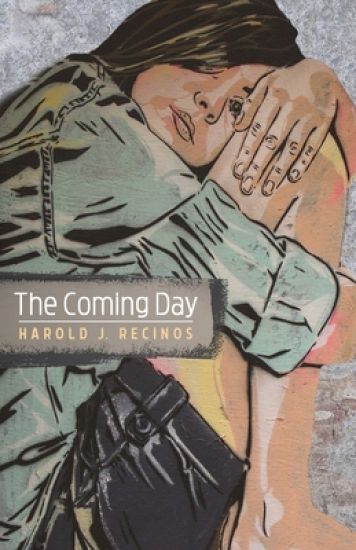
The Coming Day documents life at the edges of American society in ways that are both personal and universal in human experience. In this collection, poems stand at the crossroads of anthropology, theology, history, and ethnic identity to address issues of violence, poverty, immigrants' rights, family life, drug addiction, cultural diversity, and the struggle and hope of those too long ignored. The craft in these poems keenly documents life across the vast landscape of the United States and parts of Latin America to effectively make the world of forgotten people comprehensible. Recinos' collection seeks to give voice to the invisible people of the Americas born on God's day off.
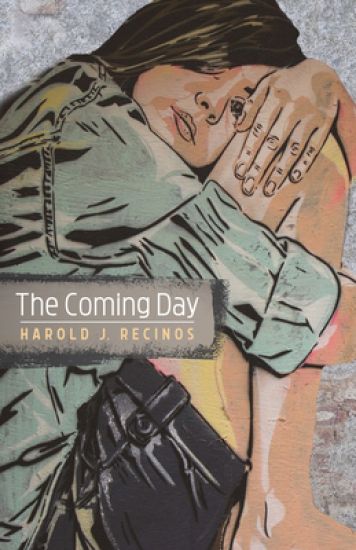
The Coming Day documents life at the edges of American society in ways that are both personal and universal in human experience. In this collection, poems stand at the crossroads of anthropology, theology, history, and ethnic identity to address issues of violence, poverty, immigrants' rights, family life, drug addiction, cultural diversity, and the struggle and hope of those too long ignored. The craft in these poems keenly documents life across the vast landscape of the United States and parts of Latin America to effectively make the world of forgotten people comprehensible. Recinos' collection seeks to give voice to the invisible people of the Americas born on God's day off.
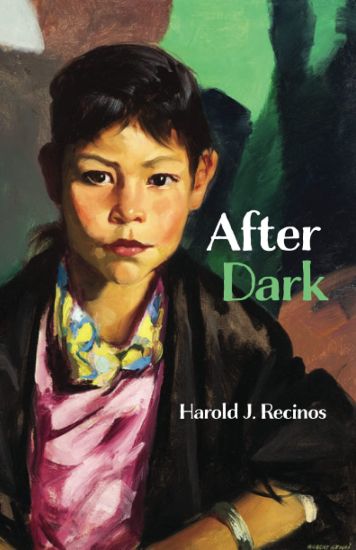
Recinos' love for poetry began on the tormented streets of the South Bronx and the experience of being abandoned by Latino parents at age twelve to live on them. On the streets, Recinos discovered a world of extreme poverty and drugs, until four years later he was taken into the family of a White Presbyterian minister and guided back into school. In graduate school in New York City, Recinos befriended the Nuyorican poets the late Miguel Pinero and Pedro Pietri, who encouraged him to write and read poetry at the Nuyorican poets cafe. After Dark is poetry that speaks distinctively of the cultural and worldly experience of Black and Brown humanity driven by the resilience and challenging worlds that impose human limitations. Recinos uses the poetic instrument to enable readers to hear the history and share the experiences of people who see hope in ""the brutal atmosphere / of this land of purple mountain majesties / lashed to fierce grief."" Recinos is a poet who writes between the lines and with a Spanglish vision for life.
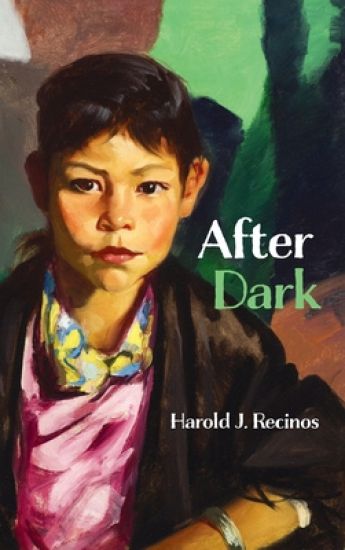
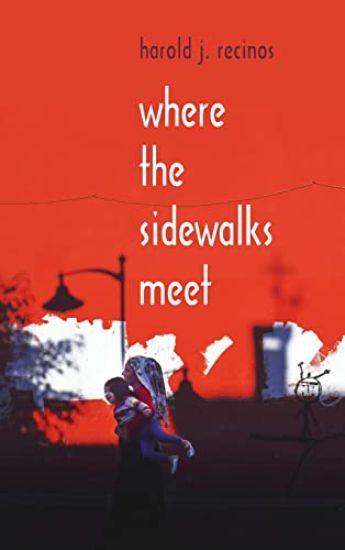
Recinos's love for poetry began on the streets of the South Bronx and the experience of being abandoned by Latino parents at age twelve to live on them. On the streets, Recinos discovered a world of extreme poverty and drugs, until four years later he was taken into the family of a White Presbyterian minister and guided back into school. In graduate school in New York City, Recinos befriended the Nuyorican poets the late Miguel Pinero and Pedro Pietri who encouraged him to write and read poetry at the Nuyorican poets cafe. In Where the Sidewalks Meet, Recinos uses poetry like graffiti on public culture, to make references to the invisible in plain sight, and talk about border crossings. These poems delicately string together the disregarded world of excluded, muted, and rejected human beings and ""shouts out the names"" of those the world only cares to look at sideways.
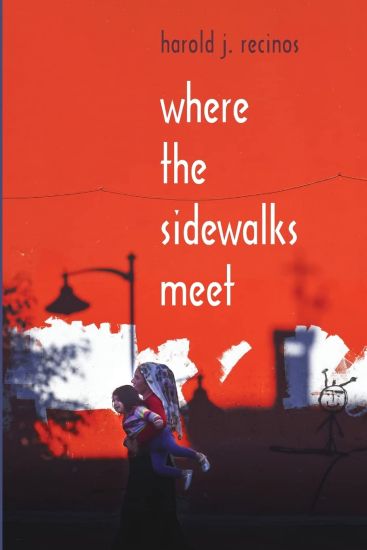
Recinos's love for poetry began on the streets of the South Bronx and the experience of being abandoned by Latino parents at age twelve to live on them. On the streets, Recinos discovered a world of extreme poverty and drugs, until four years later he was taken into the family of a White Presbyterian minister and guided back into school. In graduate school in New York City, Recinos befriended the Nuyorican poets the late Miguel Pinero and Pedro Pietri who encouraged him to write and read poetry at the Nuyorican poets cafe. In Where the Sidewalks Meet, Recinos uses poetry like graffiti on public culture, to make references to the invisible in plain sight, and talk about border crossings. These poems delicately string together the disregarded world of excluded, muted, and rejected human beings and ""shouts out the names"" of those the world only cares to look at sideways.
The Looking Glass: Far and Near is poetry that searches voices in the cities of a divided America faced with an unraveling democracy and across borders where people negotiating the fragility of life offer a vision of transcendence through recovery of our common humanity. The leaps of imagination expressed in each poem reflect on issues such as COVID-19, lethal police violence, criminalized kids, school mass shootings, asylum seekers, race relations, reckless politics, and the contributions of overlooked human beings to the ongoing process of defining national values such as freedom, justice, and equality. The collection is a contribution to the artistic expression of our time with its polarization and social upheaval, and it freshly illuminates the ways rejected human beings use their agency to lurch toward justice and give voice to the possibilities of regard for all human beings.