
Kirjahaku
Etsi kirjoja tekijän nimen, kirjan nimen tai ISBN:n perusteella.
45 kirjaa tekijältä Harry Johnston



Originally published in 1913, this book contains a proposed universal alphabet for all forms of speech. Johnston includes sample sentences from a variety of languages spelled out in his phonetic alphabet at the conclusion of the text. This book will be of value for anyone with an interest in phonetics and the search for a universally applicable writing system.
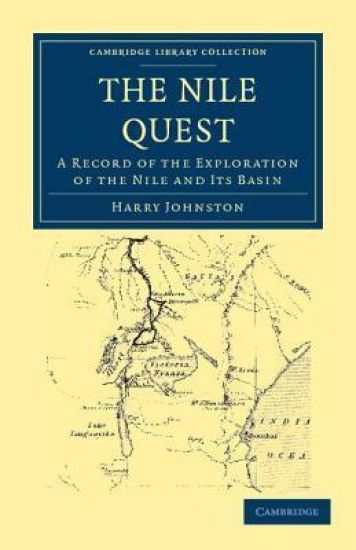
Sir Harry Johnston (1858–1927), was a British artist, explorer and colonial administrator. He was a key figure in the so-called 'Scramble for Africa', the invasion and colonisation of Africa by major European powers in the late nineteenth century. This book, first published in 1903, is Johnston's wide-ranging history of Nile exploration, beginning with the Ancient Egyptians and the Greeks and continuing into the Victorian period. As well as charting the development of ancient civilisations in the Nile region, Johnston also discusses its wider role in world history and its appeal to powerful leaders from Alexander the Great to Napoleon. As a contemporary of many significant participants in nineteenth-century Nile exploration, Johnston was perfectly situated to provide detailed insights into the personalities and achievements of explorers such as Burton, Stanley and Speke. His absorbing and accessible account provides a fascinating late Victorian perspective on the subject.


Pioneers in Tropical America
Harry Johnston
Createspace Independent Publishing Platform
2015
nidottu
THE publishers of this book asked me to write a series of works which should deal with " real adventures ", in parts of the world either wild and uncontrolled by any civilized government, or at any rate regions full of dangers, of wonderful discoveries; in which the daring and heroism of white men (and sometimes of white women) stood out clearly against backgrounds of unfamiliar landscapes, peopled with strange nations, savage tribes, dangerous beasts, or wonderful birds. These books would again and again illustrate the first coming of the white race into regions inhabited by people of a different type, with brown, black, or yellow skins; how the European was received, and how he treated these races of the soil which gradually came under his rule owing to his superior knowledge, weapons, wealth, or powers of persuasion. The books were to tell the plain truth, even if here and there they showed the white man to have behaved badly, or if they revealed the fact that the American Indian, the Negro, the Malay, the black Australian was sometimes cruel and treacherous.



Reproduction of the original: Mrs. Warren s Daughter by Harry Johnston

Reproduction of the original: Mrs. Warren s Daughter by Harry Johnston