Kirjojen hintavertailu. Mukana 12 083 983 kirjaa ja 12 kauppaa.

Kirjahaku

Etsi kirjoja tekijän nimen, kirjan nimen tai ISBN:n perusteella.

4 kirjaa tekijältä Heather Houser

Ecosickness in Contemporary U.S. Fiction

Ecosickness in Contemporary U.S. Fiction

Heather Houser

Columbia University Press
2014
sidottu
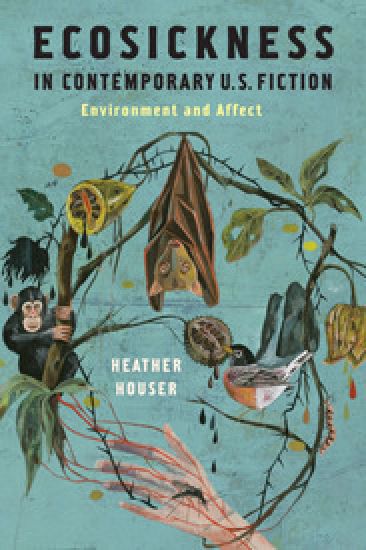
The 1970s brought a new understanding of the biological and intellectual impact of environmental crises on human beings. As efforts to prevent ecological and bodily injury aligned, a new literature of sickness emerged. "Ecosickness fiction" imaginatively rethinks the link between these forms of threat and the sick body to bring readers to environmental consciousness. Tracing the development of ecosickness through a compelling archive of contemporary U.S. novels and memoirs, Ecosickness in Contemporary U.S. Fiction establishes that we cannot comprehend environmental and medical dilemmas through data alone and must call on the sometimes surprising emotions that literary metaphors, tropes, and narratives deploy. In chapters on David Foster Wallace, Richard Powers, Leslie Marmon Silko, Marge Piercy, Jan Zita Grover, and David Wojnarowicz, Heather Houser shows how narrative affects such as wonder and disgust organize perception of an endangered world and orient us ethically toward it. The study builds the connective tissue between contemporary literature, ecocriticism, affect studies, and the medical humanities. It also positions ecosickness fiction relative to emergent forms of environmentalism and technoscientific innovations such as regenerative medicine and alternative ecosystems. Houser models an approach to contemporary fiction as a laboratory for affective changes that spark or squelch ethical projects.
Ecosickness in Contemporary U.S. Fiction

Ecosickness in Contemporary U.S. Fiction

Heather Houser

Columbia University Press
2016
pokkari
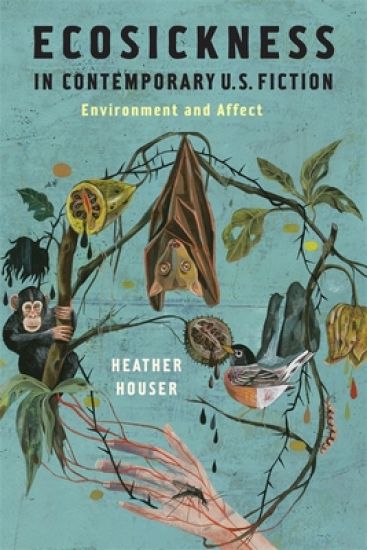
The 1970s brought a new understanding of the biological and intellectual impact of environmental crises on human beings. As efforts to prevent ecological and bodily injury aligned, a new literature of sickness emerged. "Ecosickness fiction" imaginatively rethinks the link between these forms of threat and the sick body to bring readers to environmental consciousness. Tracing the development of ecosickness through a compelling archive of contemporary U.S. novels and memoirs, Ecosickness in Contemporary U.S. Fiction establishes that we cannot comprehend environmental and medical dilemmas through data alone and must call on the sometimes surprising emotions that literary metaphors, tropes, and narratives deploy. In chapters on David Foster Wallace, Richard Powers, Leslie Marmon Silko, Marge Piercy, Jan Zita Grover, and David Wojnarowicz, Heather Houser shows how narrative affects such as wonder and disgust organize perception of an endangered world and orient us ethically toward it. The study builds the connective tissue between contemporary literature, ecocriticism, affect studies, and the medical humanities. It also positions ecosickness fiction relative to emergent forms of environmentalism and technoscientific innovations such as regenerative medicine and alternative ecosystems. Houser models an approach to contemporary fiction as a laboratory for affective changes that spark or squelch ethical projects.
Infowhelm

Infowhelm

Heather Houser

Columbia University Press
2020
sidottu
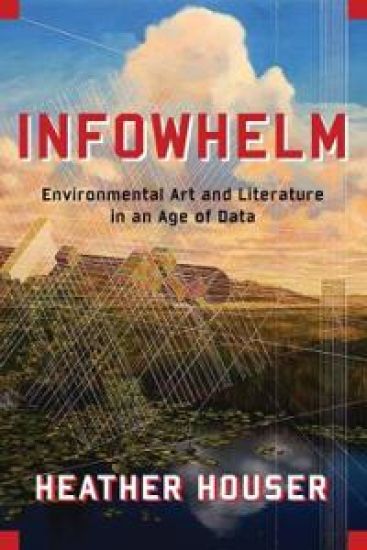
How do artists and writers engage with environmental knowledge in the face of overwhelming information about catastrophe? What kinds of knowledge do the arts produce when addressing climate change, extinction, and other environmental emergencies? What happens to scientific data when it becomes art? In Infowhelm, Heather Houser explores the ways contemporary art manages environmental knowledge in an age of climate crisis and information overload.Houser argues that the infowhelm—a state of abundant yet contested scientific information—is an unexpectedly resonant resource for environmental artists seeking to go beyond communicating stories about crises. Infowhelm analyzes how artists transform the techniques of the sciences into aesthetic material, repurposing data on everything from butterfly migration to oil spills and experimenting with data collection, classification, and remote sensing. Houser traces how artists ranging from novelist Barbara Kingsolver to digital memorialist Maya Lin rework knowledge traditions native to the sciences, entangling data with embodiment, quantification with speculation, precision with ambiguity, and observation with feeling. Their works provide new ways of understanding environmental change while also questioning traditional distinctions between types of knowledge. Bridging the environmental humanities, digital media studies, and science and technology studies, this timely book reveals the importance of artistic medium and form to understanding environmental issues and challenges our assumptions about how people arrive at and respond to environmental knowledge.
Infowhelm

Infowhelm

Heather Houser

Columbia University Press
2020
pokkari
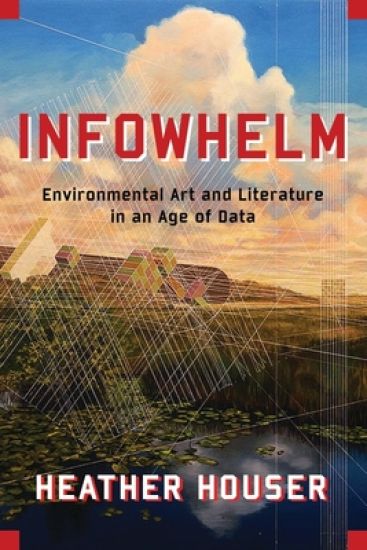
How do artists and writers engage with environmental knowledge in the face of overwhelming information about catastrophe? What kinds of knowledge do the arts produce when addressing climate change, extinction, and other environmental emergencies? What happens to scientific data when it becomes art? In Infowhelm, Heather Houser explores the ways contemporary art manages environmental knowledge in an age of climate crisis and information overload.Houser argues that the infowhelm—a state of abundant yet contested scientific information—is an unexpectedly resonant resource for environmental artists seeking to go beyond communicating stories about crises. Infowhelm analyzes how artists transform the techniques of the sciences into aesthetic material, repurposing data on everything from butterfly migration to oil spills and experimenting with data collection, classification, and remote sensing. Houser traces how artists ranging from novelist Barbara Kingsolver to digital memorialist Maya Lin rework knowledge traditions native to the sciences, entangling data with embodiment, quantification with speculation, precision with ambiguity, and observation with feeling. Their works provide new ways of understanding environmental change while also questioning traditional distinctions between types of knowledge. Bridging the environmental humanities, digital media studies, and science and technology studies, this timely book reveals the importance of artistic medium and form to understanding environmental issues and challenges our assumptions about how people arrive at and respond to environmental knowledge.