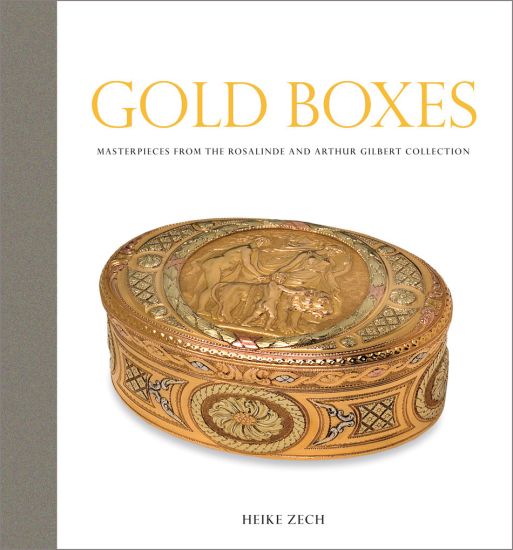
This book is a precious small volume on precious small boxes. Most of them were used to hold snuff, powdered tobacco, and were meant to be looked and admired from a close-up. These miniature masterpieces were a key accessory for every stylish man and woman in the eighteenth century. They reflect the culture and fashion of the period. Gold is the defining material of the fifty masterpieces presented here. Therefore the most surprising aspect for those first encountering such pieces is not only the variety of forms and decoration, but also the materials of these boxes, from porcelain to precious stones, enamel and mother-of-pearl. Echoing the shape of a gold box the volume features some of the most beautiful boxes in the famous collection of Sir Arthur Gilbert and his first wife Rosalinde. The collector couple ran a fashion business in London before moving to Los Angeles in 1949. Their passion for elegance, colour, beauty and craftsmanship is palpable in every single box. Gold Boxes explores the culture of the snuffbox for everyone intrigued by the period, its art and fashion, or rich symbolism.