Kirjojen hintavertailu. Mukana 11 342 296 kirjaa ja 12 kauppaa.

Kirjahaku

Etsi kirjoja tekijän nimen, kirjan nimen tai ISBN:n perusteella.

2 kirjaa tekijältä Helen D Millgate

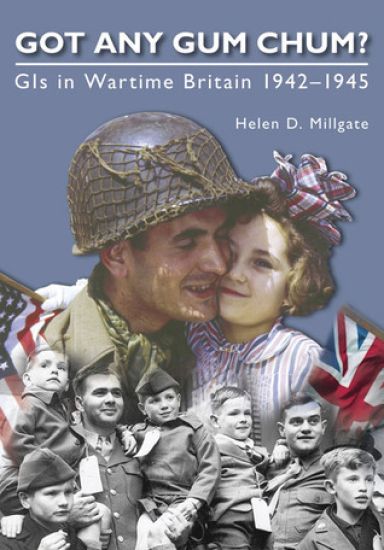
Got Any Gum Chum?

Got Any Gum Chum?

Helen D Millgate

The History Press Ltd
2009
nidottu
When the first American servicemen arrived in England in March 1942, the indigenous population greeted their presence with mixed feelings. A certain level of resentment of these newcomers was harboured by the English and expressed by many in the in the well-worn phase of the time 'over-paid, over-sexed and over here'. But without the presence of American servicemen in Britain and its huge military and industrial muscle, the war with Germany would probably have been lost. Using a combination of contemporary eyewitness and documentary sources plus latter-day interviews, linked together by engaging narrative, Helen Milligate takes a look at the background to 'the friendly invasion' - where they all came from, who they were, where they were stationed and what they did. She examines how the 'Yanks' got on with the locals, how they fitted in (or didn't), their impact on the social structure of England in the 1940s, the problems they brought with them and their impressions of England. She concludes with the journey home once the war in Europe had ended, describing what the Yanks left behind them and the wives and sweethearts they took 'stateside'.
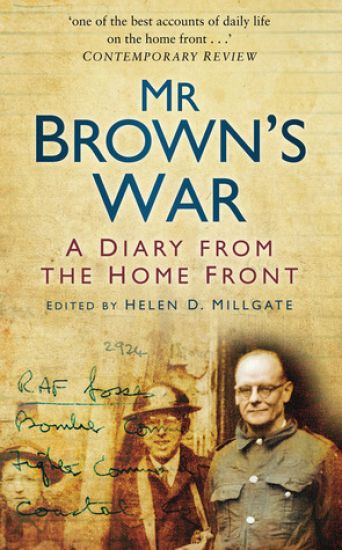
Mr Brown's War

Mr Brown's War

Helen D Millgate

The History Press Ltd
2011
nidottu
Richard Brown kept a personal diary throughout the whole of the Second World War. He used it to record the course of the conflict as he perceived it, gleaned from the newspapers, the wireless and hearsay. As well as describing the development of the war, Brown captured a vivid image of life in wartime Britain, with rationing, blackout restrictions, interrupted sleep, the prospect of evacuation and the enormous burden placed on civilians coping with a full-time job as well as war work. Richard Brown was a well-informed man who made his own judgements. His attitude to the war is fascinating, as he never doubts ultimate victory, despite being impatient and critical of the conduct of the war. His observations range from the pithy to the humorous and scathing. Above all, his diaries reflect the moral and social attitudes of the period, and the desire to be fully involved in the war effort. They also totally refute the argument that the British public were kept in the dark.