Kirjojen hintavertailu. Mukana 12 390 323 kirjaa ja 12 kauppaa.

Kirjahaku

Etsi kirjoja tekijän nimen, kirjan nimen tai ISBN:n perusteella.

24 kirjaa tekijältä Helen Kara

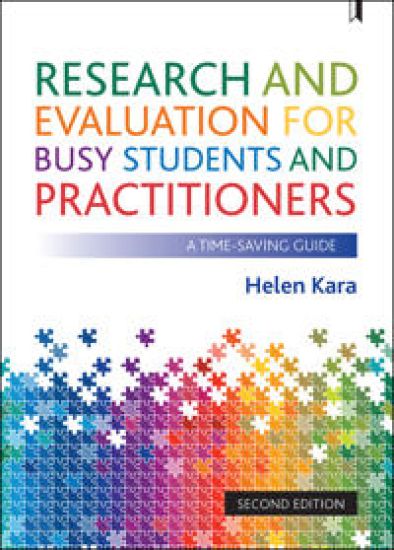
Research and Evaluation for Busy Students and Practitioners
Research doesn’t exist in a bubble but co-exists with a multitude of other tasks and commitments, yet there is more need for people to save time than ever before. Brilliantly attuned to the demands placed on researchers, this book considers how students, academics and professionals alike can save time and stress without compromising the quality of their research or its outcomes. This third edition: - is fully revised with new chapters on research and evaluation ethics, creative methods of collecting data and how research can make a positive difference; - includes illustrative case studies throughout the book, and each chapter concludes with exercises, discussion questions and a debate topic; - is accompanied by a fully updated companion website. This supportive book is designed for any student or practitioner who wants to know how to do research on top of their main job, and still have a life.
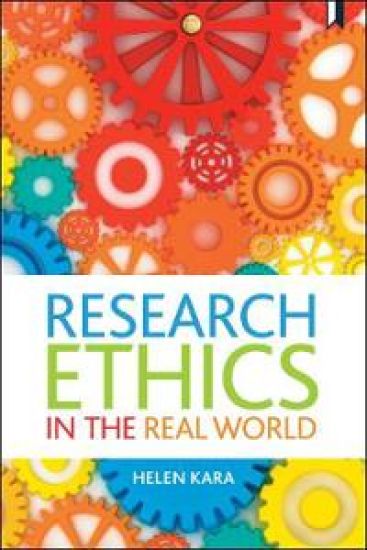
Research Ethics in the Real World

Research Ethics in the Real World

Helen Kara

Policy Press
2018
sidottu
Research Ethics in the Real World is the first book to highlight the links between research ethics and individual, social, professional, institutional, and political ethics. Helen Kara considers all stages of the research process, from the formulation of a research question to aftercare for participants, data and findings. It provides guidance for quantitative, qualitative, and mixed-methods researchers about how to act ethically throughout your research work. This book is invaluable in supporting teachers of research ethics to design and deliver effective courses.
Research Ethics in the Real World

Research Ethics in the Real World

Helen Kara

Policy Press
2018
nidottu
Research Ethics in the Real World is the first book to highlight the links between research ethics and individual, social, professional, institutional, and political ethics. Helen Kara considers all stages of the research process, from the formulation of a research question to aftercare for participants, data and findings. It provides guidance for quantitative, qualitative, and mixed-methods researchers about how to act ethically throughout your research work. This book is invaluable in supporting teachers of research ethics to design and deliver effective courses.
Creative Research Methods

Creative Research Methods

Helen Kara

Policy Press
2020
nidottu
Creative research methods can help to answer complex contemporary questions which are hard to answer using conventional methods alone. Creative methods can also be more ethical, helping researchers to address social injustice. This bestselling book, now in its second edition, is the first to identify and examine the five areas of creative research methods: * arts-based research * embodied research * research using technology * multi-modal research * transformative research frameworks. Written in an accessible, practical and jargon-free style, with reflective questions, boxed text and a companion website to guide student learning, it offers numerous examples of creative methods in practice from around the world. This new edition includes a wealth of new material, with five extra chapters and over 200 new references. Spanning the gulf between academia and practice, this useful book will inform and inspire researchers by showing readers why, when, and how to use creative methods in their research.
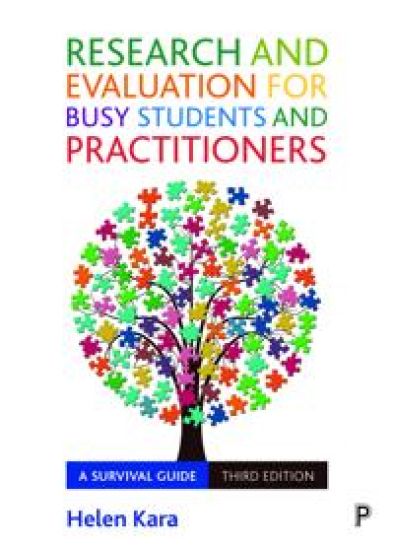
Research and Evaluation for Busy Students and Practitioners
Research doesn’t exist in a bubble but co-exists with a multitude of other tasks and commitments, yet there is more need for people to save time than ever before. Brilliantly attuned to the demands placed on researchers, this book considers how students, academics and professionals alike can save time and stress without compromising the quality of their research or its outcomes. This third edition: - is fully revised with new chapters on research and evaluation ethics, creative methods of collecting data and how research can make a positive difference; - includes illustrative case studies throughout the book, and each chapter concludes with exercises, discussion questions and a debate topic; - is accompanied by a fully updated companion website. This supportive book is designed for any student or practitioner who wants to know how to do research on top of their main job, and still have a life.
Research and Evaluation for Busy Students and Practitioners
Research doesn’t exist in a bubble but co-exists with a multitude of other tasks and commitments, yet there is more need for people to save time than ever before. Brilliantly attuned to the demands placed on researchers, this book considers how students, academics and professionals alike can save time and stress without compromising the quality of their research or its outcomes. This third edition: - is fully revised with new chapters on research and evaluation ethics, creative methods of collecting data and how research can make a positive difference; - includes illustrative case studies throughout the book, and each chapter concludes with exercises, discussion questions and a debate topic; - is accompanied by a fully updated companion website. This supportive book is designed for any student or practitioner who wants to know how to do research on top of their main job, and still have a life.
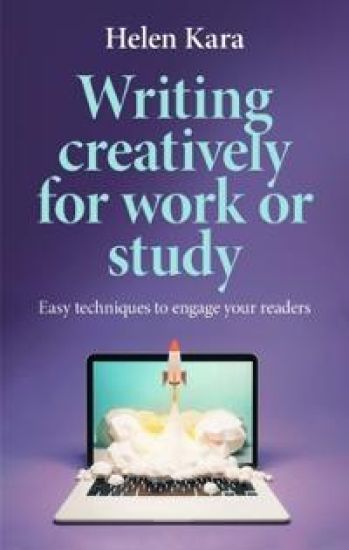
Writing Creatively for Work or Study

Writing Creatively for Work or Study

Helen Kara

MANCHESTER UNIVERSITY PRESS
2025
sidottu
A unique guide featuring tips for improving your professional writing through creative formats and techniques. Workplace writing doesn’t have to be dull. In fact, there’s evidence that more creative approaches can capture a reader’s interest and increase the accessibility, comprehension and memorability of the most everyday documents.Writing creatively for work or study shows you how to apply formats and techniques from creative writing to professional communication. Whether you’re creating a business plan, a sales report or terms and conditions, simple principles such as establishing tension, using sensory language and employing well-chosen metaphors can engage a reader’s emotions, turning a drab piece of prose into something memorable. At the more inventive end of the scale, documents in the form of novels, comic books or even film scripts can have a dramatic impact and ensure your work makes a lasting impression.Featuring a wealth of real-life examples, plus exercises to help you develop your skills, Writing creatively for work or study proves that writing for work can also be fun.
Writing Creatively for Work or Study

Writing Creatively for Work or Study

Helen Kara

MANCHESTER UNIVERSITY PRESS
2025
nidottu
A unique guide featuring tips for improving your professional writing through creative formats and techniques. Workplace writing doesn’t have to be dull. In fact, there’s evidence that more creative approaches can capture a reader’s interest and increase the accessibility, comprehension and memorability of the most everyday documents.Writing creatively for work or study shows you how to apply formats and techniques from creative writing to professional communication. Whether you’re creating a business plan, a sales report or terms and conditions, simple principles such as establishing tension, using sensory language and employing well-chosen metaphors can engage a reader’s emotions, turning a drab piece of prose into something memorable. At the more inventive end of the scale, documents in the form of novels, comic books or even film scripts can have a dramatic impact and ensure your work makes a lasting impression.Featuring a wealth of real-life examples, plus exercises to help you develop your skills, Writing creatively for work or study proves that writing for work can also be fun.
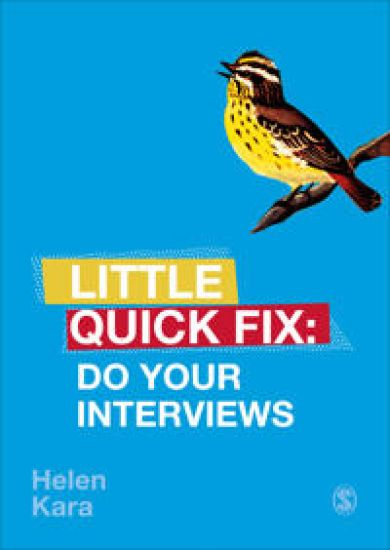
Do Your Interviews

Do Your Interviews

Helen Kara

SAGE Publications Ltd
2018
nidottu
Interviews are the most common data collection instrument undergraduates turn to. No matter what discipline or level, someone in the course will be doing some interviews. They’re quick, cheap and students think they’re easy. The first two are true, but it’s more than just asking a list of questions. This Little Quick Fix lays out the basic how-to of choosing an interview as a method for a project or dissertation, and how to do it well enough so students aren’t docked marks for poor or irrelevant data. Practical and hands-on, readers will be shown everything they need to prepare, how to do it quickly, and all the pitfalls to avoid. Packed with checklists, this is the foolproof solution to getting interview data quickly and effectively. Perfect for undergraduates who need to do this in a week or two. Little Quick Fix titles provide quick but authoritative answers to the problems, hurdles, and assessment points students face in the research course, project proposal, or design - whatever their methods learning is. Lively, ultra-modern design; full-colour, each page a tailored design.An hour's read. Easy to dip in and out of with clear navigation enables the reader to find what she needs - quick.Direct written style gets to the point with clear language. Nothing needs to be read twice. No fluff.Learning is reinforced through a 2-minute overview summary; 3-second summaries with super-quick Q&ADIY tasks create a work plan to accomplish a task, do a self-check quiz, solve a problem, get students to what they need to show their supervisor.Checkpoints in each section make sure students are nailing it as they go and support self-directed learning.How do I know I’m done? Each Little Quick Fix wraps up with a final checklist that allows the reader to self-assess they’ve got what they need to progress, submit, or ace the test or task.
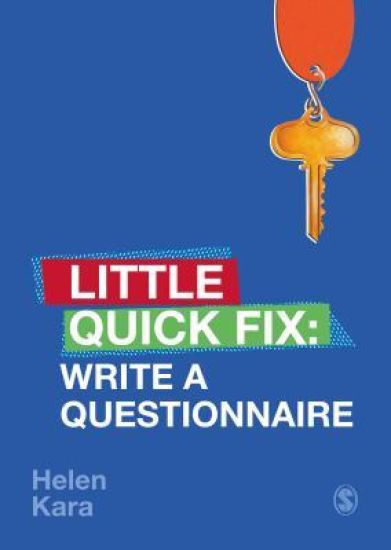
Write a Questionnaire

Write a Questionnaire

Helen Kara

SAGE Publications Ltd
2018
nidottu
After interviews, the most common data collection instrument undergraduates turn to is a short survey. This requires them to write a questionnaire. Sounds easy – it’s not! This LQF teaches the art of open and closed questions, how to prompt higher response rates, when and how to use basic Likert scales, and everything else you need to know to get the most out of your questionnaire. A good questionnaire makes all the difference to getting data you can work with and poor research skill here lowers grades.
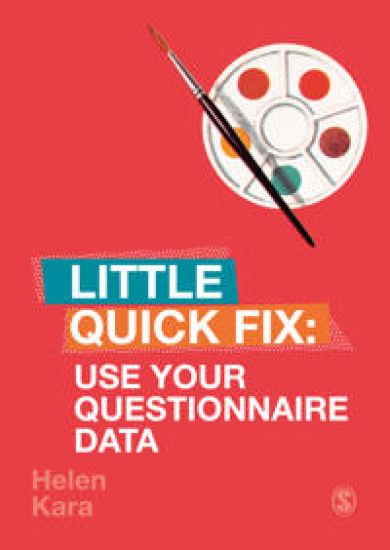
Use Your Questionnaire Data

Use Your Questionnaire Data

Helen Kara

SAGE Publications Ltd
2019
nidottu
Working with data from a questionnaire may seem easy to students since the data is limited to set questions and responses, but it is not. Even if students have designed an effective questionnaire and/or used all closed questions, they still have to collate a lot of data, develop a system that evaluates responses, and compare/group responses to determine overall results. This Little Quick Fix makes this type of data more accessible and teaches students how to manage, code, and interpret it effectively. Little Quick Fix titles provide quick but authoritative answers to the problems, hurdles, and assessment points students face in the research course, project proposal, or design—whatever their methods learning is. Lively, ultra-modern design; full-colour, each page a tailored design.An hour's read. Easy to dip in and out of with clear navigation enables the reader to find what she needs—quick.Direct written style gets to the point with clear language. Nothing needs to be read twice. No fluff.Learning is reinforced through a 2-minute overview summary; 3-second summaries with super-quick Q&ADIY tasks create a work plan to accomplish a task, do a self-check quiz, solve a problem, get students to what they need to show their supervisor.Checkpoints in each section make sure students are nailing it as they go and support self-directed learning.How do I know I’m done? Each Little Quick Fix wraps up with a final checklist that allows the reader to self-assess they’ve got what they need to progress, submit, or ace the test or task.
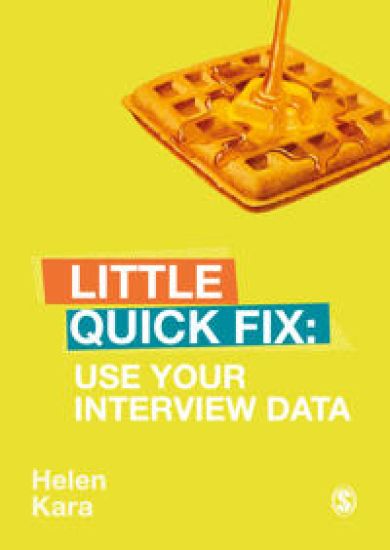
Use Your Interview Data

Use Your Interview Data

Helen Kara

SAGE Publications Ltd
2019
nidottu
Interviews are often seen as a quick, cheap, and seemingly low-stress data collection method, but once students obtain data, they can be overwhelmed at the amount of information they have to manage, sort, and analyse, even if they only have a few participant responses. There are plenty of books on data management, coding, and analysis, but no student has time to read and internalize this much detail if a deadline is looming. Use Your Interview Data takes students through the essentials of managing, coding, and interpreting interview data so they have the overview needed to negotiate their data systematically and ensure they are not marked down for haphazard or incomplete interpretation. This Little Quick Fix provides students with the understanding and skills they need to manage, sort and analyse their interview data. Helen Kara’s overview enables students to negotiate their data systematically and give a complete interpretation for their research method assignment, essay or project. Little Quick Fix titles provide quick but authoritative answers to the problems, hurdles, and assessment points students face inthe research course, project proposal, or design—whatever their methods learning is. Lively, ultra-modern design; full-colour, each page a tailored design.An hour's read. Easy to dip in and out of with clear navigation enables the reader to find what she needs—quick.Direct written style gets to the point with clear language. Nothing needs to be read twice. No fluff.Learning is reinforced through a 2-minute overview summary; 3-second summaries with super-quick Q&ADIY tasks create a work plan to accomplish a task, do a self-check quiz, solve a problem, get students to what they need to show their supervisor.Checkpoints in each section make sure students are nailing it as they go and support self-directed learning.How do I know I’m done? Each Little Quick Fix wraps up with a final checklist that allows the reader to self-assess they’ve got what they need to progress, submit, or ace the test or task.
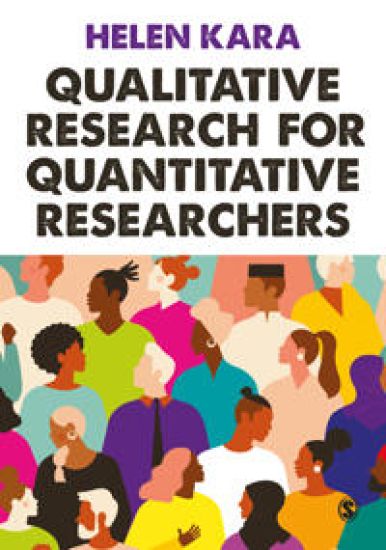
Qualitative Research for Quantitative Researchers
Approaching qualitative research for the first time and unsure how to get started? This book captures what you need to know to jump into effective qualitative or mixed methods research. The book gets you up to speed on the specifics of qualitative research, while showing how it complements quantitative research and how to draw on and hone your existing skills to conduct impactful research. It covers the whole research process, from explaining what theories are for and planning your research design, through gathering and working with your data, to developing good practice in research reporting and dissemination. The book also: • Showcases the value of qualitative research, helping you understand its relevance, credibility and validity. • Grapples with how to decolonise your approach, do research in an ethical and inclusive way, and debias your thinking. • Challenges you to rethink how you conduct research and choose the most appropriate methods for your project. Giving you a fuller understanding of methods and methodologies to benefit your work regardless of the approach you choose, this book encourages you to discover the joy of qualitative research.
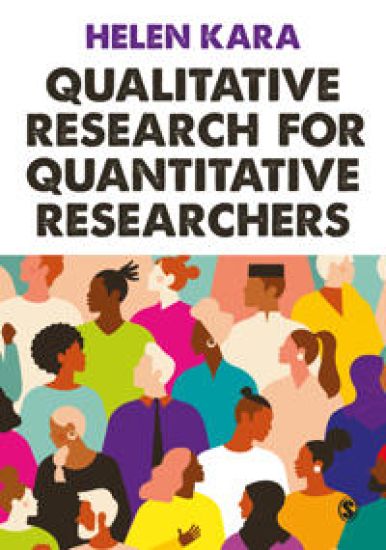
Qualitative Research for Quantitative Researchers
Approaching qualitative research for the first time and unsure how to get started? This book captures what you need to know to jump into effective qualitative or mixed methods research. The book gets you up to speed on the specifics of qualitative research, while showing how it complements quantitative research and how to draw on and hone your existing skills to conduct impactful research. It covers the whole research process, from explaining what theories are for and planning your research design, through gathering and working with your data, to developing good practice in research reporting and dissemination. The book also: • Showcases the value of qualitative research, helping you understand its relevance, credibility and validity. • Grapples with how to decolonise your approach, do research in an ethical and inclusive way, and debias your thinking. • Challenges you to rethink how you conduct research and choose the most appropriate methods for your project. Giving you a fuller understanding of methods and methodologies to benefit your work regardless of the approach you choose, this book encourages you to discover the joy of qualitative research.
Research Ethics in the Real World (Second Edition)

Research Ethics in the Real World (Second Edition)

Helen Kara

Bristol University Press
2026
sidottu
How can researchers navigate ethical dilemmas in an era of rapid technological change and growing calls for decolonisation? This fully revised second edition addresses the evolving landscape of research ethics, equipping social science researchers with the tools to conduct rigorous, responsible inquiry in today's complex world.
Research Ethics in the Real World (Second Edition)

Research Ethics in the Real World (Second Edition)

Helen Kara

Bristol University Press
2026
nidottu
How can researchers navigate ethical dilemmas in an era of rapid technological change and growing calls for decolonisation? This fully revised second edition addresses the evolving landscape of research ethics, equipping social science researchers with the tools to conduct rigorous, responsible inquiry in today's complex world.
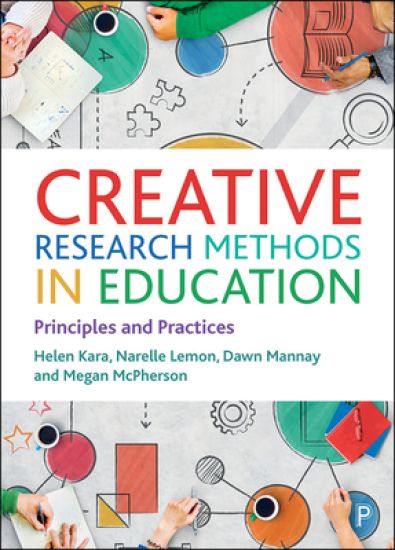
Creative Research Methods in Education

Creative Research Methods in Education

Helen Kara; Narelle Lemon; Dawn Mannay; Megan McPherson

Policy Press
2021
sidottu
Co-authored by an international team of experts across disciplines, this important book is one of the first to demonstrate the enormous benefit creative methods offer for education research. You do not have to be an artist to be creative, and the book encourages students, researchers and practitioners to discover and consider new ways to explore the field of education. It illustrates how using creative methods, such as poetic inquiry, comics, theatre and animation, can support learning and illuminate participation and engagement. Bridging academia and practice, the book offers: • practical advice and tips on how to use creative methods in education research; • numerous case studies from around the world providing real-life examples of creative research methods in education practice; • reflective discussion questions to support learning.
Creative Research Methods in Education

Creative Research Methods in Education

Helen Kara; Narelle Lemon; Dawn Mannay; Megan McPherson

Policy Press
2021
nidottu
Co-authored by an international team of experts across disciplines, this important book is one of the first to demonstrate the enormous benefit creative methods offer for education research. You do not have to be an artist to be creative, and the book encourages students, researchers and practitioners to discover and consider new ways to explore the field of education. It illustrates how using creative methods, such as poetic inquiry, comics, theatre and animation, can support learning and illuminate participation and engagement. Bridging academia and practice, the book offers: • practical advice and tips on how to use creative methods in education research; • numerous case studies from around the world providing real-life examples of creative research methods in education practice; • reflective discussion questions to support learning.
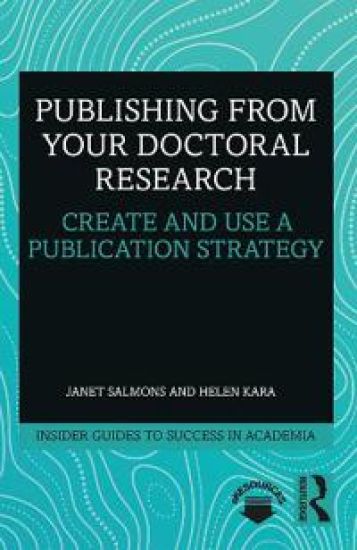
Publishing from your Doctoral Research

Publishing from your Doctoral Research

Janet Salmons; Helen Kara

Routledge
2019
sidottu
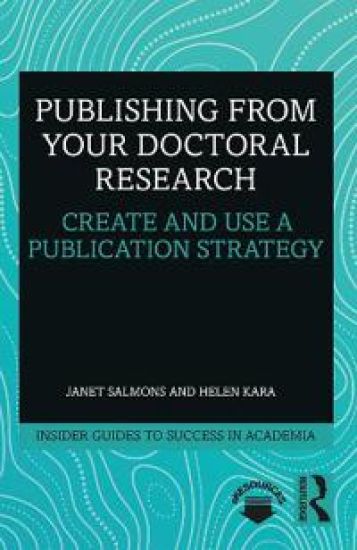
Today’s researchers have many opportunities for disseminating their work, including traditional and digital publications, written articles, podcasts, and other media such as zines and graphic books. But how do they decide which output is right for them, and where to start? Publishing from your Doctoral Research provides methods and tools to help assess, identify, and adapt academic work for publication to support career aspirations. Discussing what publication can achieve in career terms, this book: Explains how to audit doctoral research, and any associated materials, to assess which elements are best suited for publication Provides advice on how to determine what kind of publication is best suited to different types of research Discusses journal articles, books, self-publishing, online and social media options, and alternative methods of publishing Considers each type of publication in light of career aspirationsEach chapter includes practical examples, tailored to researchers interested in working in academia, industry or business, a clinical or practical career, or self-employment. Providing key strategies and insights to secure knowledge and success, Publishing from your Doctoral Research is the ideal guide for anyone looking to develop their career through publication within or outside academia. The ‘Insider Guides to Success in Academia’ offers support and practical advice to doctoral students and early-career researchers. Covering the topics that really matter, but which often get overlooked, this indispensable series provides practical and realistic guidance to address many of the needs and challenges of trying to operate, and remain, in academia. These neat pocket guides fill specific and significant gaps in current literature. Each book offers insider perspectives on the often implicit rules of the game – the things you need to know but usually aren’t told by institutional postgraduate support, researcher development units, or supervisors – and will address a practical topic that is key to career progression. They are essential reading for doctoral students, early-career researchers, supervisors, mentors, or anyone looking to launch or maintain their career in academia.
Publishing from your Doctoral Research

Publishing from your Doctoral Research

Janet Salmons; Helen Kara

Routledge
2019
nidottu
Today’s researchers have many opportunities for disseminating their work, including traditional and digital publications, written articles, podcasts, and other media such as zines and graphic books. But how do they decide which output is right for them, and where to start? Publishing from your Doctoral Research provides methods and tools to help assess, identify, and adapt academic work for publication to support career aspirations. Discussing what publication can achieve in career terms, this book: Explains how to audit doctoral research, and any associated materials, to assess which elements are best suited for publication Provides advice on how to determine what kind of publication is best suited to different types of research Discusses journal articles, books, self-publishing, online and social media options, and alternative methods of publishing Considers each type of publication in light of career aspirationsEach chapter includes practical examples, tailored to researchers interested in working in academia, industry or business, a clinical or practical career, or self-employment. Providing key strategies and insights to secure knowledge and success, Publishing from your Doctoral Research is the ideal guide for anyone looking to develop their career through publication within or outside academia. The ‘Insider Guides to Success in Academia’ offers support and practical advice to doctoral students and early-career researchers. Covering the topics that really matter, but which often get overlooked, this indispensable series provides practical and realistic guidance to address many of the needs and challenges of trying to operate, and remain, in academia. These neat pocket guides fill specific and significant gaps in current literature. Each book offers insider perspectives on the often implicit rules of the game – the things you need to know but usually aren’t told by institutional postgraduate support, researcher development units, or supervisors – and will address a practical topic that is key to career progression. They are essential reading for doctoral students, early-career researchers, supervisors, mentors, or anyone looking to launch or maintain their career in academia.