Kirjojen hintavertailu. Mukana 11 717 486 kirjaa ja 12 kauppaa.

Kirjahaku

Etsi kirjoja tekijän nimen, kirjan nimen tai ISBN:n perusteella.

8 kirjaa tekijältä Helen Leneman

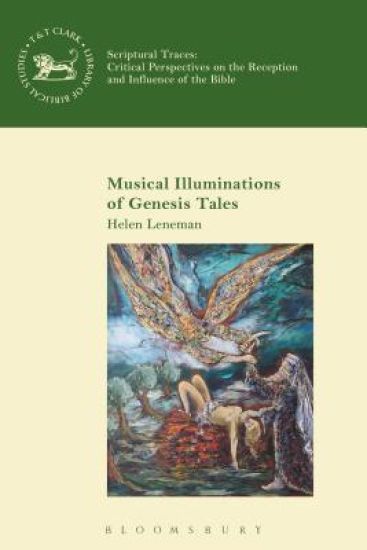
Musical Illuminations of Genesis Narratives
This volume examines the stories of Genesis in music, showing how musical settings can illuminate many of the Bible’s most noted tales. Helen Leneman studies oratorios, operas and songs (as well as their librettos) to shed light on how Genesis has been understood and experienced over time. Examining an extensive range of musical settings of stories from the book of Genesis, Leneman offers an overview of chiefly 19th and 20th century musical engagements with this biblical text.Leneman first discusses how Eve’s inner thoughts are explored by noted French composers Jules Massenet and Gabriel Fauré. The text then enters the deep waters of Noah’s flood in examination of several compositions, including two unusual settings by Igor Stravinsky and Benjamin Britten, as well as more conventional settings by Saint-Saëns and Donizetti. Two major 19th century oratorio settings of Abraham’s story by lesserknown German composers Martin Blumner and Karl Mangold provide fascinating illuminations of the Abraham narratives, whereas parts of Rebecca’s story are found in works by César Franck, Ferdinand Hiller, and most unusually, by a French woman composer, Célanie Carissan. Finally, Leneman shows how Joseph’s story was set in numerous oratorios (including by Handel) but that one of the most important works based on his story is an opera by 18th century French composer Etienne Méhul. In addition to discussing these larger 19th century works, Leneman also examines several interesting atonal 20th century works based on the stories of Eve and the Flood, shedding new light on the history of the interpretation of the Book of Genesis.
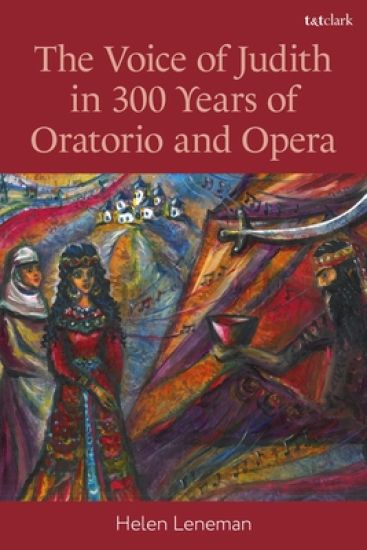
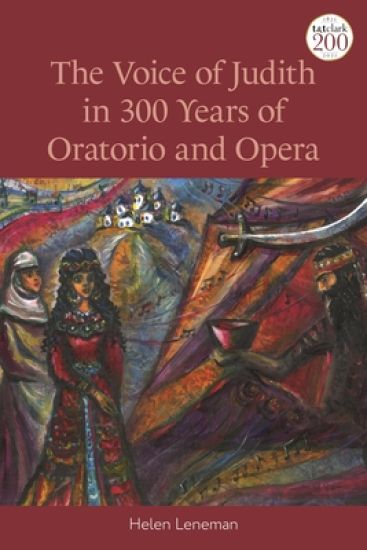
The Voice of Judith in 300 Years of Oratorio and Opera
This volume focuses on the story of Judith as presented by composers, librettists and playwrights over four centuries. Helen Leneman analyzes numerous examples of music, librettos and the librettists' views of Judith – strongly influenced by societal attitudes of their time – and how these works in turn suggest unexpected ways of understanding biblical women and their stories. Music adds nuances, colors and emotions, becoming a subtext that suggests character and emotions. Leneman presents in-depth analyses of the librettos and music of 16 operas and oratorios based on the book of Judith that span 300 years (1694-1984), in addition to two influential plays that inspired several librettos in the nineteenth century. Exploring works by such varied composers as Vivaldi, Mozart, Parry, Honegger, Serov, Chadwick and von Reznicek, Leneman reveals the ways in which each adaptation expands, distils or reinterprets Judith’s character and story. In this first ever extensive study of musical settings of the Book of Judith, Leneman enables the biblical heroine to transcend her source.
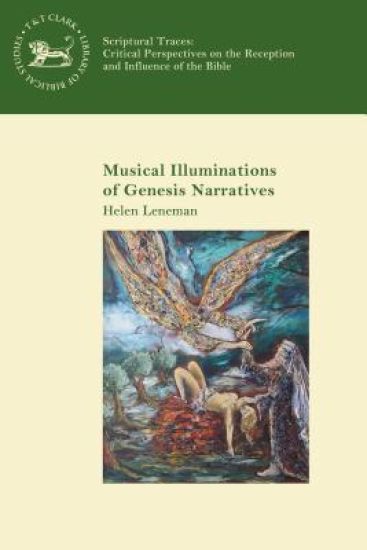
Musical Illuminations of Genesis Narratives
This volume examines the stories of Genesis in music, showing how musical settings can illuminate many of the Bible’s most noted tales. Helen Leneman studies oratorios, operas and songs (as well as their librettos) to shed light on how Genesis has been understood and experienced over time. Examining an extensive range of musical settings of stories from the book of Genesis, Leneman offers an overview of chiefly 19th and 20th century musical engagements with this biblical text.Leneman first discusses how Eve’s inner thoughts are explored by noted French composers Jules Massenet and Gabriel Fauré. The text then enters the deep waters of Noah’s flood in examination of several compositions, including two unusual settings by Igor Stravinsky and Benjamin Britten, as well as more conventional settings by Saint-Saëns and Donizetti. Two major 19th century oratorio settings of Abraham’s story by lesserknown German composers Martin Blumner and Karl Mangold provide fascinating illuminations of the Abraham narratives, whereas parts of Rebecca’s story are found in works by César Franck, Ferdinand Hiller, and most unusually, by a French woman composer, Célanie Carissan. Finally, Leneman shows how Joseph’s story was set in numerous oratorios (including by Handel) but that one of the most important works based on his story is an opera by 18th century French composer Etienne Méhul. In addition to discussing these larger 19th century works, Leneman also examines several interesting atonal 20th century works based on the stories of Eve and the Flood, shedding new light on the history of the interpretation of the Book of Genesis.
The Voice of Judith in 300 Years of Oratorio and Opera

The Voice of Judith in 300 Years of Oratorio and Opera

Helen Leneman

BLOOMSBURY PUBLISHING PLC
2022
nidottu
This volume focuses on the story of Judith as presented by composers, librettists and playwrights over four centuries. Helen Leneman analyzes numerous examples of music, librettos and the librettists' views of Judith – strongly influenced by societal attitudes of their time – and how these works in turn suggest unexpected ways of understanding biblical women and their stories. Music adds nuances, colors and emotions, becoming a subtext that suggests character and emotions. Leneman presents in-depth analyses of the librettos and music of 16 operas and oratorios based on the book of Judith that span 300 years (1694-1984), in addition to two influential plays that inspired several librettos in the nineteenth century. Exploring works by such varied composers as Vivaldi, Mozart, Parry, Honegger, Serov, Chadwick and von Reznicek, Leneman reveals the ways in which each adaptation expands, distils or reinterprets Judith’s character and story. In this first ever extensive study of musical settings of the Book of Judith, Leneman enables the biblical heroine to transcend her source.
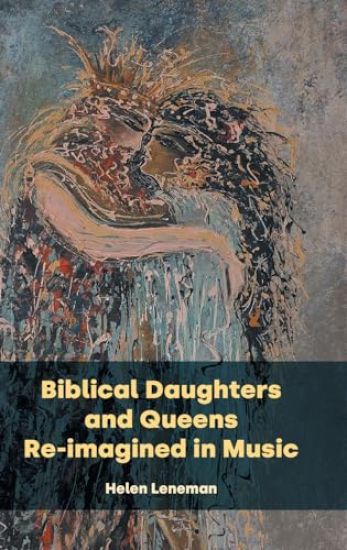
Biblical Daughters and Queens Re-imagined in Music

Biblical Daughters and Queens Re-imagined in Music

Helen Leneman

Sheffield Phoenix Press Ltd
2024
sidottu
In Biblical Daughters and Queens, Helen Leneman continues her sustained approach to biblical reception in music traversing several centuries. She offers a immersive reading of two types of biblical women-daughters and queens-in a wide range of musical representations spanning over 300 years (1648-1993). Music, as Leneman highlights, goes beyond words: music expresses how feelings sound. Leneman's unique analysis shares the ways in which these women's stories have been altered, their emotions imagined and amplified. The stories of two daughters are explored: the tragedy of Jephthah's daughter (Judges 11); and the Apocryphal story of Susannah. The tragedy of Jephthah's daughter seems to have been of greater interest to early composers, with most works, whether oratorios or operas, dating to pre-20th century. Susanna was a lesser-known story yet was treated both in two early oratorios and, unusually, in an operatic retelling of the story from the mid-20th century.Queens included are Sheba (1 Kings), Athalia (2 Kings), and Esther (Book of Esther). In general, the Queen of Sheba has not been re-imagined with much nuance in musical works, mostly depicted as a sexy siren (though not always). Esther is the most popular queen for musical retellings, featured in no fewer than nine works in this volume. An interesting discovery was an eighteenth-century oratorio with a Hebrew libretto. Athalia is the least known of the three but Handel thought she was worth an oratorio (he is well represented throughout the book).In previous volumes Leneman has considered the biblical reception in music of Moses and Miriam in Exodus; David, Saul and Bathsheba in the Book of Kings; Ruth and Naomi in the Book of Ruth; and Judith in the Book of Judith. Leneman also discussed the varied biblical characters in the Book of Genesis.In previous volumes Leneman has considered the biblical reception in music of Moses and Miriam in Exodus; David, Saul and Bathsheba in the Book of Kings; Ruth and Naomi in the Book of Ruth; and Judith in the Book of Judith. Leneman also discussed the varied biblical characters in the Book of Genesis.This volume encourages an experiential approach, to enable the reader, and listener to hear and feel these women's stories as never before. Links to the musical works are provided throughout. Each setting is filled with both text and music that will inspire the listener to return to the original story with a new and different understanding.