Kirjojen hintavertailu. Mukana 12 390 323 kirjaa ja 12 kauppaa.

Kirjahaku

Etsi kirjoja tekijän nimen, kirjan nimen tai ISBN:n perusteella.

8 kirjaa tekijältä Helen Moir

Motherwell

Motherwell

Helen Moir

The History Press Ltd
1999
nidottu
Using a collection of over 200 photographs, largely garnished from local residents, the author, Helen Moir, has compiled a volume that creates a fascinating portrait of Motherwell and its social history. These old photographs are sure to evoke strong memories for many and show newcomers and the younger generation how things used to be in Motherwell. The reader will encounter street scenes and people from the last century, with pubs, cinemas and shops that are long gone. Motherwell has often been referred to as the 'Steel Town', and this book provides a unique insight into the area's proud industrial heritage of steel, mining and weaving. Images that are distinctly Motherwell, such as the Cross, Ravenscraig and Dalzell Steel Works, and Skelly's Garage, are featured throughout the book, all supported by finely detailed captions. This selection, which includes many previously unpublished photographs, pays tribute to the way Motherwell has grown over the years. It is certain to interest anyone who has fond memories of this well-loved town, while providing a tantalising glimpse into the recent past for those who are less well acquainted with the Motherwell of yesteryear.
Wishaw

Wishaw

Helen Moir

The History Press Ltd
2000
nidottu
The town of Wishaw has grown up through the centuries as smaller settlements grew into one another. With the expansion of industry in the nineteenth century the settlements of Cambusnethan, Coalness, Muirhouse, Murdieston and Cleland formed the nucleus of the present town. The main factor in the town's growth was the mineral wealth located underground. Wishaw and its surrounding area had adundant riches of coal as well as ironstone and this led to the rapid expansion of the town as people came to mine this wealth. Beside the coal mines all sorts of industries developed including iron and steel manufacture and heavy engineering. With the coming of the Wishaw & Coltness Railway, followed by other lines such as the Caledonian Railway, expansion became very rapid. More coal could be mined as new markets further away could be exploited and this led to the opening of more collieries. The Coltness Iron Company opened works in the area which also employed many thousands making products for both home and export markets. Unfortunately the last thirty years have been one of decline and the traditional heavy industries of the area have almost all gone. This volume, Helen Moir's third book on Lanarkshire, helps capture the memories of those bygone days when coal and steel were King. Illustrated with 200 images of the town, its people and its industry, Wishaw will bring back memories for those who can remember the heady days of industry and bring a new understanding of the town for its younger residents.
Coatbridge

Coatbridge

Helen Moir

The History Press Ltd
2001
nidottu
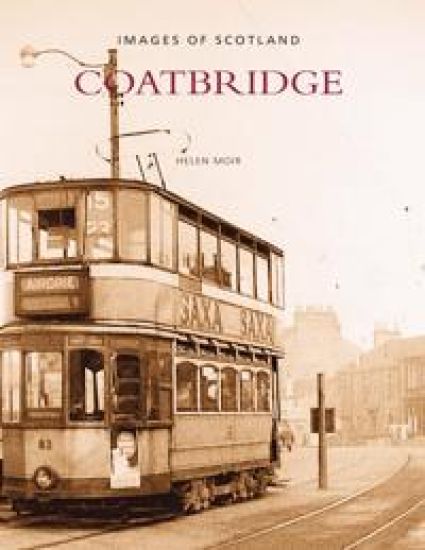
Located in the parish of Old Monkland, Coatbridge was a sleepy collection of villages until the late eighteenth century. Then, with the discovery of ironstone, the building of the Monkland Canal and the increased mining of coal, the sleepy villages grew together into the town of Coatbridge. The sylvan fields of the 1780s had given way by the 1830s to the furnaces and coal mines of the most polluted town in Scotland. Local landowners made a fortune from the black gold beneath their feet and from the ironworks they built to help fuel the industrial revolution. Names such as Baird of Gartsherrie became known the world over as their products were exported to every corner of the empire. Coatbridge also had smaller foundries making tools, rivets, tin-plate and other products. The town has seen many changes over the years - the slums that crowded the ironworks have long gone as have the ironworks themselves. Coal is no longer mined in the area and Coatbridge has gone from being a depressed ex-industrial area to a thriving town once more. Contained within these pages are over 200 illustrations of the town in bygone days. There are views of long gone streets, vanished industries, school groups, businesses and shops which will delight older residents and give younger ones a feel for what made Coatbridge the town it is today.
Uddingston

Uddingston

Helen Moir

The History Press Ltd
2007
nidottu
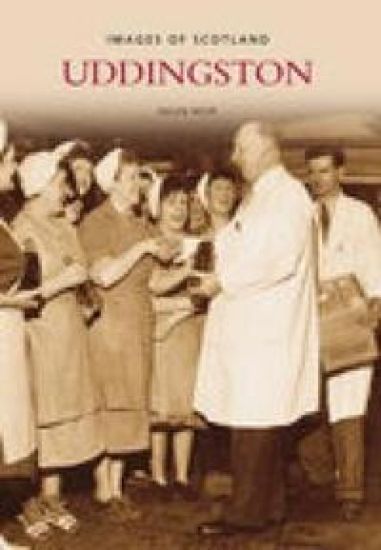
Presents a collection of more than 180 archive photographs that traces some of the many ways in which the town of Uddingston, famous for Tunnock's teacakes, has changed and developed. This work also captures the landscapes and landmarks of the town and its surrounding areas - the castle, Easter Farm, Uddingston Cross.