
Kirjahaku
Etsi kirjoja tekijän nimen, kirjan nimen tai ISBN:n perusteella.
14 kirjaa tekijältä Howard Hensman
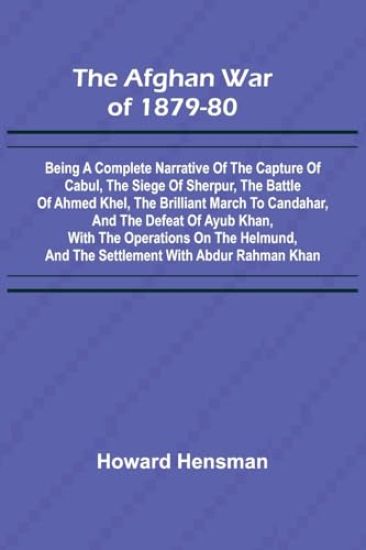
A detailed and classic account of the final phase of the Second Anglo-Afghan War (1878-80), consisting of the publishing in book form of letters originally written from the field and printed in an Indian newspaper. The author, Howard Hensman, was a special correspondent of the Allahabad Pioneer. He was the only journalist to accompany the Anglo-Indian Kurram Valley Field Force that marched from Ali Kheyl, Afghanistan, to Kabul in the fall of 1879 following the uprising of Afghan forces in Kabul in September of that year and the massacre of the British envoy, Sir Louis Cavagnari, and other British officials in the city. The first letter is dated September 28, 1879, the last September 20, 1880. Brief explanatory texts are used to introduce some of the letters and provide context. Each letter runs to several pages, and collectively they offer a vivid first-hand account of the war as seen from a British perspective. Hensman describes, for example, the courageous charge by Afghan Ghazis at the Battle of Ahmed Khel (April 19, 1880) and the desperate, hand-to-hand fighting with British, Sikh and Gurkha troops that ensued; the Battle of Maiwand (July 27, 1880), in which a force of 2,500 British and Indian troops was routed by a much larger Afghan force; and many other engagements. The book contains ten detailed maps of the major military operations and battles of the war. A short appendix provides information about the heights above sea level of places in Afghanistan, distances by road between key points, and transportation in the Indian army.
A detailed and classic account of the final phase of the Second Anglo-Afghan War (1878-80), consisting of the publishing in book form of letters originally written from the field and printed in an Indian newspaper. The author, Howard Hensman, was a special correspondent of the Allahabad Pioneer. He was the only journalist to accompany the Anglo-Indian Kurram Valley Field Force that marched from Ali Kheyl, Afghanistan, to Kabul in the fall of 1879 following the uprising of Afghan forces in Kabul in September of that year and the massacre of the British envoy, Sir Louis Cavagnari, and other British officials in the city. The first letter is dated September 28, 1879, the last September 20, 1880. Brief explanatory texts are used to introduce some of the letters and provide context. Each letter runs to several pages, and collectively they offer a vivid first-hand account of the war as seen from a British perspective. Hensman describes, for example, the courageous charge by Afghan Ghazis at the Battle of Ahmed Khel (April 19, 1880) and the desperate, hand-to-hand fighting with British, Sikh and Gurkha troops that ensued; the Battle of Maiwand (July 27, 1880), in which a force of 2,500 British and Indian troops was routed by a much larger Afghan force; and many other engagements. The book contains ten detailed maps of the major military operations and battles of the war. A short appendix provides information about the heights above sea level of places in Afghanistan, distances by road between key points, and transportation in the Indian army.
Cecil Rhodes: A Study of a Career is a biography written by Howard Hensman that delves into the life and legacy of one of the most controversial figures in British colonial history. Rhodes was a businessman, politician, and imperialist who played a pivotal role in the expansion of the British Empire in southern Africa during the late 19th century. Hensman's book provides a detailed account of Rhodes' upbringing, education, and early career, as well as his later achievements and controversies. The author explores Rhodes' complex personality, his relationships with key figures such as Alfred Beit and Leander Starr Jameson, and his vision for a united and powerful British South Africa. Hensman also examines Rhodes' legacy, including his involvement in the forced removal of indigenous peoples from their land, his support for the British concentration camps during the Boer War, and his role in the creation of Rhodesia (now Zimbabwe). The book offers a nuanced and critical perspective on Rhodes' life and career, and raises important questions about the impact of colonialism and imperialism on southern Africa and the wider world. Overall, Cecil Rhodes: A Study of a Career is a comprehensive and thought-provoking biography that sheds light on one of the most influential and controversial figures in British history.This Is A New Release Of The Original 1901 Edition.This scarce antiquarian book is a facsimile reprint of the old original and may contain some imperfections such as library marks and notations. Because we believe this work is culturally important, we have made it available as part of our commitment for protecting, preserving, and promoting the world's literature in affordable, high quality, modern editions, that are true to their original work.
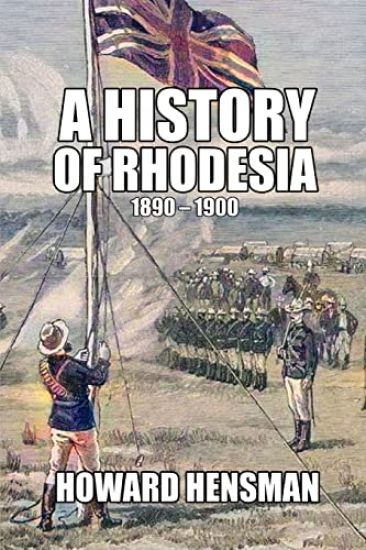
The very first history of the British colonisation of the land which later became famous as Rhodesia, and is now called Zimbabwe.This book, first published in 1900, was specifically commissioned by famous British Imperialist Cecil John Rhodes and his British South Africa Company (BSAC) with the intention of countering some of the negative publicity which the BSAC had encountered since their venture into the interior had created the first European settlements north of the Boer Republics.Using firsthand accounts gathered directly from the official BSAC archives, this book provides a gripping insight into the struggles of those early European pioneers-and of the intense and long-lasting resistance they encountered from the African inhabitants. Revealed along the way of this war-filled narrative are interesting facts such as the total population of the region in 1900; the personal intervention of Rhodes in a meeting with the Matabele chiefs to try and stop the ongoing wars; and many other incidents and facts vital for anyone seeking to gain an understanding of the origin of the later conflict in that land.The work also contains two interesting chapters dealing with the Rhodesian colonists' participation in the Second Anglo-Boer War, which was still raging at the time this book first appeared.Now with 14 new and rare illustrations. Fully indexed.
The very first history of the British colonisation of the land which later became famous as Rhodesia, and is now called Zimbabwe.This book, first published in 1900, was specifically commissioned by famous British Imperialist Cecil John Rhodes and his British South Africa Company (BSAC) with the intention of countering some of the negative publicity which the BSAC had encountered since their venture into the interior had created the first European settlements north of the Boer Republics.Using firsthand accounts gathered directly from the official BSAC archives, this book provides a gripping insight into the struggles of those early European pioneers-and of the intense and long-lasting resistance they encountered from the African inhabitants. Revealed along the way of this war-filled narrative are interesting facts such as the total population of the region in 1900; the personal intervention of Rhodes in a meeting with the Matabele chiefs to try and stop the ongoing wars; and many other incidents and facts vital for anyone seeking to gain an understanding of the origin of the later conflict in that land.The work also contains two interesting chapters dealing with the Rhodesian colonists' participation in the Second Anglo-Boer War, which was still raging at the time this book first appeared.Now with 14 new and rare illustrations. Fully indexed.

A Voyage to Senegal Or, Historical, philosophical, and political memoirs, relative to the discoveries, establishments and commerce of Europeans in the Atlantic Ocean, from Cape Blanco to the river of Sierra Leone (Edition1)
Howard Hensman
Alpha Editions
2024
nidottu
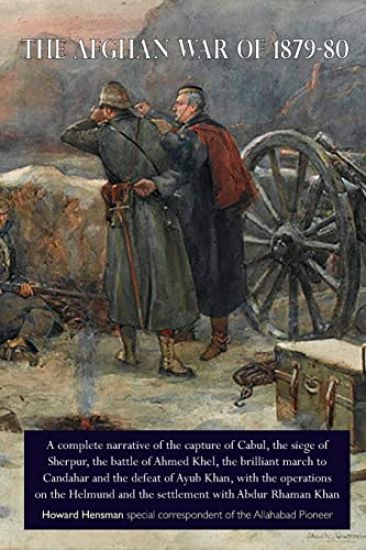
Embark on an Epic Journey Through History Step into the gripping world of ""The Afghan War of 1879-80"" by Howard Hensman, a masterful narrative that brings to life the tumultuous events of the Second Anglo-Afghan War. This captivating account unveils the dramatic capture of Cabul, the harrowing siege of Sherpur, the strategic brilliance at the Battle of Ahmed Khel, and the relentless march to Candahar. Witness the decisive defeat of Ayub Khan and the intricate operations on the Helmund, culminating in the pivotal settlement with Abdur Rahman Khan. Out of print for decades, this historical gem has been meticulously republished by Alpha Editions, offering both current and future generations a rare glimpse into a pivotal moment in history. More than just a book, this is a collector's edition-a treasure trove for history enthusiasts and collectors alike. Whether you're a seasoned historian or a curious reader, Hensman's vivid storytelling and keen insights will transport you to a world of courage, strategy, and diplomacy. Don't miss your chance to own a piece of history-secure your copy today and relive the epic saga that shaped the fate of nations