

Kirjahaku
Etsi kirjoja tekijän nimen, kirjan nimen tai ISBN:n perusteella.
185 kirjaa tekijältä Hugo Von Hofmannsthal
Hofmannsthal, H: Tod Des Tizian Idylle (1892)
Hugo Von Hofmannsthal
KESSINGER PUBLISHING, LLC
2010
nidottu
Hofmannsthal, H: Frau Im Fenster, Die Hochzeit Der Sobeide,
Hugo Von Hofmannsthal
KESSINGER PUBLISHING, LLC
2010
nidottu
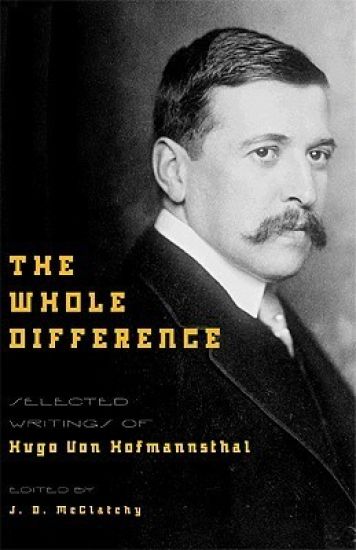
Hugo von Hofmannsthal is one of the modern era's most important writers, but his fame as Richard Strauss's pioneering collaborator on such operas as Der Rosenkavalier and Die Frau ohne Schatten has obscured his other remarkable writings: his precocious lyric poetry, inventive short fiction, keen essays, and visionary plays. The Whole Difference, which includes new translations as well as classic ones long out of print, is a fresh introduction to the enormous range of this extraordinary artist, and the most comprehensive collection of Hofmannsthal's writings in English. Selected and edited by the poet and librettist J. D. McClatchy, this collection includes early lyric poems; short prose works, including "The Tale of Night Six Hundred and Seventy-Two," "A Tale of the Cavalry," and the famous "Letter of Lord Chandos"; two full-length plays, The Difficult Man and The Tower; as well as the first act of The Cavalier of the Rose. From the glittering salons of imperial Vienna to the bloodied ruins of Europe after the Great War, the landscape of Hofmannsthal's world stretches across the extremes of experience. This collection reflects those extremes, including both the sparkling social comedy of "the difficult man" Hans Karl, so sensitive that he cannot choose between the two women he loves, and the haunting fictional letter to Francis Bacon in which Lord Chandos explains why he can no longer write. Complete with an introduction by McClatchy, this collection reveals an artist whose unusual subtlety and depth will enthrall readers.

Dieses Werk ist Teil der Buchreihe TREDITION CLASSICS. Der Verlag tredition aus Hamburg veroffentlicht in der Buchreihe TREDITION CLASSICS Werke aus mehr als zwei Jahrtausenden. Diese waren zu einem Grossteil vergriffen oder nur noch antiquarisch erhaltlich. Mit der Buchreihe TREDITION CLASSICS verfolgt tredition das Ziel, tausende Klassiker der Weltliteratur verschiedener Sprachen wieder als gedruckte Bucher zu verlegen - und das weltweit Die Buchreihe dient zur Bewahrung der Literatur und Forderung der Kultur. Sie tragt so dazu bei, dass viele tausend Werke nicht in Vergessenheit geraten
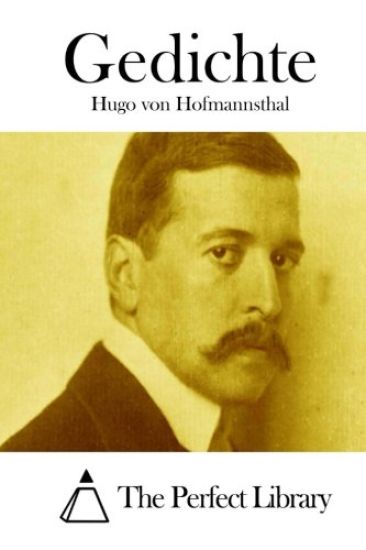
"Gedichte" from Hugo von Hofmannsthal. sterreichischer Schriftsteller, Dramatiker und Lyriker (1874-1929).
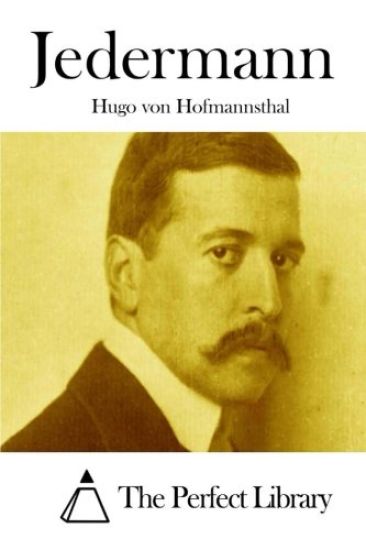
"Jedermann" from Hugo von Hofmannsthal. sterreichischer Schriftsteller, Dramatiker und Lyriker (1874-1929).
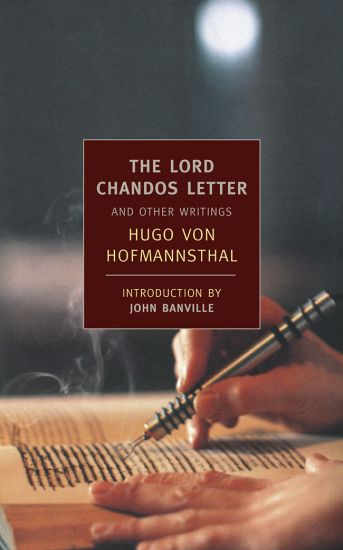
Hugo von Hoffmannsthal made his mark as a poet, as a playwright, and as the librettist for Richard Strauss's greatest operas, but he was no less accomplished as a writer of short, strangely evocative prose works. The atmospheric stories and sketches collected here-fin-de-siecle fairy tales from the Vienna of Klimt and Freud, a number of them never before translated into English-propel the reader into a shadowy world of uncanny fates and secret desires. An aristocrat from Paris in the plague years shares a single night of passion with an unknown woman; a cavalry sergeant meets his double on the battlefield; an orphaned man withdraws from the world with his four servants, each of whom has a mysterious power over his destiny. The most influential of all of Hofmannsthal's writings is the title story, a fictional letter to the English philosopher Francis Bacon in which Lord Chandos explains why he is no longer able to write. The "Letter" not only symbolized Hofmannsthal's own turn away from poetry, it captured the psychological crisis of faith and language which was to define the twentieth century.
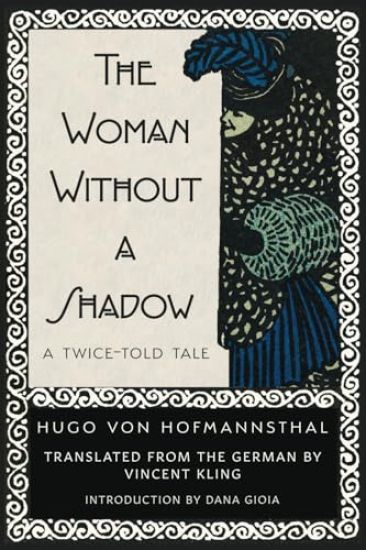
A fairy tale opera and novella written in the age of Freud, The Woman without a Shadow is a strange mixture of late Romantic eroticism and modernist angst, and yet remains more than a mere product of World War I Vienna. In Hofmannsthal's mythic world, two couples-one royal and supernatural, the other mortal-struggle with love, betrayal, infertility, and redemption. A nocturnal and sometimes nightmarish response to Mozart's Magic Flute, Hofmannsthal's tale presents a divine Empress who must obtain the shadow of a mortal woman to conceive a child and save her beloved Emperor from destruction. Hofmannsthal creates a vision of new life as the bridge between the past and future, a miracle which redeems humanity from death.Hugo von Hofmannsthal (1874-1929) was an Austrian novelist, poet, essayist, dramatist, and librettist. At age sixteen, he began publishing his poetry and plays under a pseudonym. His poems, in particular, were dazzling in their technical mastery and profound insights into the human condition, and quickly brought him praise both from the public and from some of Austria's greatest artists, including the writer Stefan Zweig and the composer Richard Strauss.After the 1919 premiere of his most ambitious opera with Strauss, the poet Hofmannsthal took his dark and feverish libretto and reimagined the material as a novella. These two compelling works, each self-contained, deepen and expand in meaning when read together. This Wiseblood Books edition of The Woman without a Shadow rectifies a grave literary oversight with the inclusion of the first ever English-language translation of Hofmannsthal's novella."The Woman without a Shadow is a serious, passionate, and complex marital drama. . . . It ponders the primal importance of procreation. As Hannah Arendt declared, birth is 'the miracle that saves the world, the realm of human affairs, from its normal 'natural' ruin.' For her, new life not only provides the continuation but the renewal of humanity. For Hofmannsthal, birth redeems us from death; it is the bridge between the past and future." -from the Introduction by Dana Gioia