Kirjojen hintavertailu. Mukana 12 443 153 kirjaa ja 12 kauppaa.

Kirjahaku

Etsi kirjoja tekijän nimen, kirjan nimen tai ISBN:n perusteella.

4 kirjaa tekijältä Hyung-A Kim

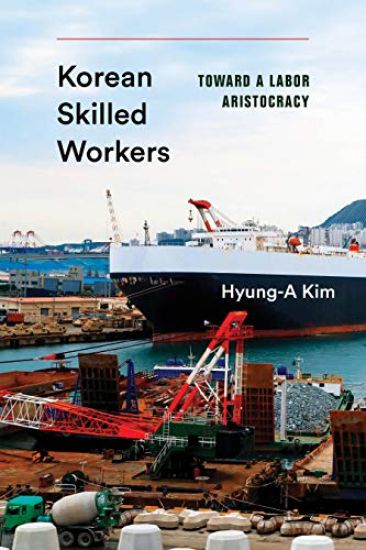
Korean Skilled Workers

Korean Skilled Workers

Hyung-A Kim

University of Washington Press
2020
sidottu
South Korea's triumphant development has catapulted the country's economy to the eleventh largest in the world. Large family-owned conglomerates, or chaebols, such as Samsung, Hyundai, and LG, have become globally preeminent manufacturing brands. Yet Korea's highly disciplined, technologically competent skilled workers who built these brands have become known only for their successful labor-union militancy, which in recent decades has been criticized as collective "selfishness" that has allowed them to prosper at the expense of other workers.Hyung-A Kim tells the story of Korea's first generation of skilled workers in the heavy and chemical industries sector, following their dramatic transition from 1970s-era "industrial warriors" to labor-union militant "Goliat Warriors," and ultimately to a "labor aristocracy" with guaranteed job security, superior wages, and even job inheritance for their children. By contrast, millions of Korea's non-regular employees, especially young people, struggle in precarious and insecure employment.This richly documented account demonstrates that industrial workers' most enduring goal has been their own economic advancement, not a wider socialist revolution, and shows how these individuals' paths embody the consequences of rapid development.
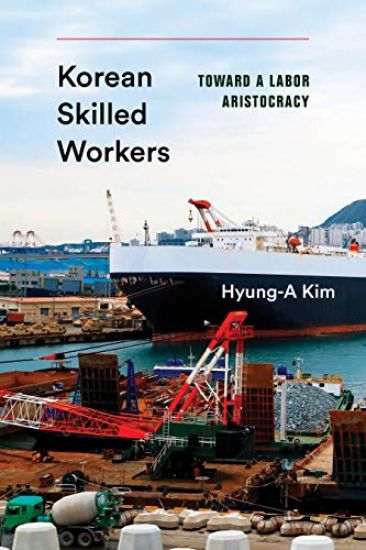
Korean Skilled Workers

Korean Skilled Workers

Hyung-A Kim

University of Washington Press
2020
pokkari
South Korea's triumphant development has catapulted the country's economy to the eleventh largest in the world. Large family-owned conglomerates, or chaebols, such as Samsung, Hyundai, and LG, have become globally preeminent manufacturing brands. Yet Korea's highly disciplined, technologically competent skilled workers who built these brands have become known only for their successful labor-union militancy, which in recent decades has been criticized as collective "selfishness" that has allowed them to prosper at the expense of other workers.Hyung-A Kim tells the story of Korea's first generation of skilled workers in the heavy and chemical industries sector, following their dramatic transition from 1970s-era "industrial warriors" to labor-union militant "Goliat Warriors," and ultimately to a "labor aristocracy" with guaranteed job security, superior wages, and even job inheritance for their children. By contrast, millions of Korea's non-regular employees, especially young people, struggle in precarious and insecure employment.This richly documented account demonstrates that industrial workers' most enduring goal has been their own economic advancement, not a wider socialist revolution, and shows how these individuals' paths embody the consequences of rapid development.
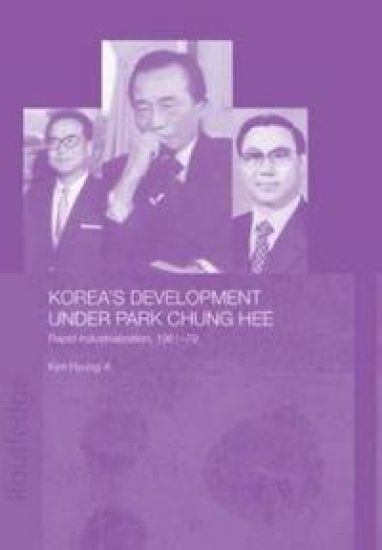
Korea's Development Under Park Chung Hee
Based on personal interviews with the principal policy-makers of the 1970s, Korea's Development under Park Chung-Hee examines how the president sought to develop South Korea into an independent, autonomous sovereign state both economically and militarily. Kim provides a new narrative in the complex task of exploring the paradoxical nature and effects of Korea's rapid development which maintains that any judgement of Park must consider his achievements in the socio-economic, cultural and political context in which they took place. Aspects of Park's government analyzed include:*his abhorrence of Korea's reliance on the US presence*the Korean model of state-guided industrialization*Park's rapid development strategy *the role of the ruling elites*Park's clandestine nuclear development program*the heavy chemical industrialisation of the 1970sThe prevailing popularity of Park in the eyes of the Korean public is significant and relevant to their acceptance of how their national development was achieved. This book tells that story while simultaneously recognizing the flaws in the process. With a great deal of material never before published, scholars of Korean politics and history at all levels will find this book a stimulating account of South Korea in the 1960s and 1970s.
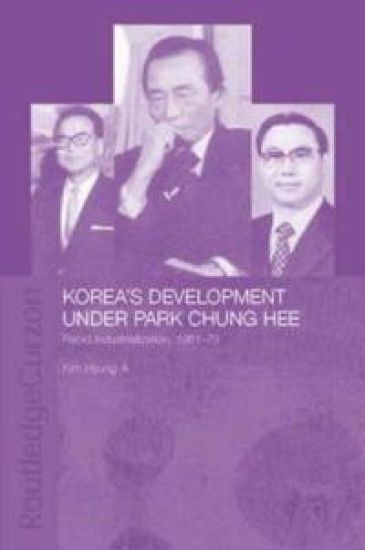
Korea's Development Under Park Chung Hee
Based on personal interviews with the principal policy-makers of the 1970s, Korea's Development under Park Chung-Hee examines how the president sought to develop South Korea into an independent, autonomous sovereign state both economically and militarily. Kim provides a new narrative in the complex task of exploring the paradoxical nature and effects of Korea's rapid development which maintains that any judgement of Park must consider his achievements in the socio-economic, cultural and political context in which they took place. Aspects of Park's government analyzed include:*his abhorrence of Korea's reliance on the US presence*the Korean model of state-guided industrialization*Park's rapid development strategy *the role of the ruling elites*Park's clandestine nuclear development program*the heavy chemical industrialisation of the 1970sThe prevailing popularity of Park in the eyes of the Korean public is significant and relevant to their acceptance of how their national development was achieved. This book tells that story while simultaneously recognizing the flaws in the process. With a great deal of material never before published, scholars of Korean politics and history at all levels will find this book a stimulating account of South Korea in the 1960s and 1970s.