Kirjojen hintavertailu. Mukana 11 699 587 kirjaa ja 12 kauppaa.

Kirjahaku

Etsi kirjoja tekijän nimen, kirjan nimen tai ISBN:n perusteella.

7 kirjaa tekijältä I.W. Fong

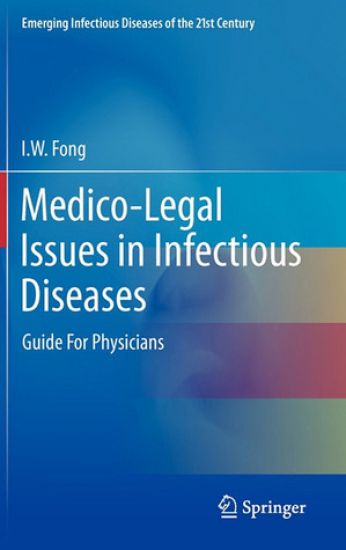
Medico-Legal Issues in Infectious Diseases

Medico-Legal Issues in Infectious Diseases

I.W. Fong

Springer-Verlag New York Inc.
2011
sidottu
The aim of this book is not to encourage defensive medical practice, but to help provide better, optimum care to patients and to be forth right and honest to our dear customers about our inevitable mistakes.This book will focus on clinical issues facing physicians in different settings (which can lead to malpractice), and the best approach to use to avoid litigations, and practice good medicine.
Medico-Legal Issues in Infectious Diseases

Medico-Legal Issues in Infectious Diseases

I.W. Fong

Springer-Verlag New York Inc.
2013
nidottu
The aim of this book is not to encourage defensive medical practice, but to help provide better, optimum care to patients and to be forth right and honest to our dear customers about our inevitable mistakes.This book will focus on clinical issues facing physicians in different settings (which can lead to malpractice), and the best approach to use to avoid litigations, and practice good medicine.
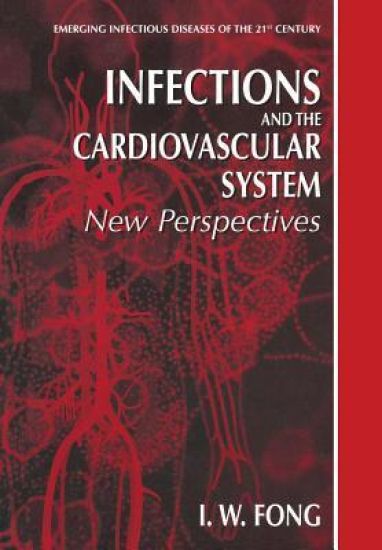
Infections and the Cardiovascular System

Infections and the Cardiovascular System

I.W. Fong

Springer-Verlag New York Inc.
2013
nidottu
Infectious agents have been recognized to involve the heart and vascular system for well over a century. Traditional concepts and teachings of their involvement in the pathogenesis of disease have been by a few established mechanisms. Since the last decade of the 20th century there has been renewed interest in the medical and public media on infectious diseases affecting the cardiovascular and cerebrovascular systems, through their relationship with the development of acceleration of atherosclerosis. This volume highlights and reviews new perspectives of infections on the cardiovascular system as never before. It is a truly valuable resource for scientists, researchers, residents, and fellows in the fields of infectious disease, cardiology, and microbiology.
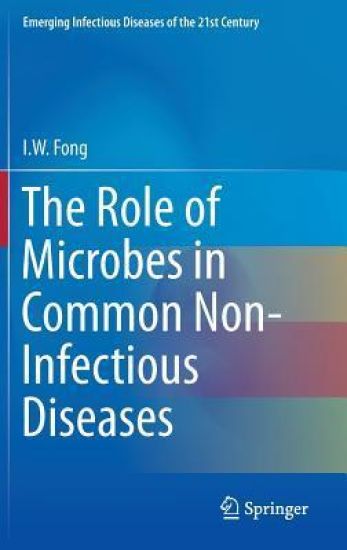
The Role of Microbes in Common Non-Infectious Diseases

The Role of Microbes in Common Non-Infectious Diseases

I.W. Fong

Springer-Verlag New York Inc.
2014
sidottu
This new volume in the series Emerging Infectious Diseases of the 21st Century is a novel book on the role of microbes in the pathogenesis of common and disabling non-infectious diseases. New insights have emerged over the past several years suggesting that our commensal microflora of the gut is extremely important in regulating physiological and immune functions of the body. Covered are the perturbations of the normal composition of our endogenous microbiota, influenced by diet and genetic predispositions, as well as the mechanisms to produce common disorders such as obesity, diabetes, irritable bowel syndrome, colon cancer and atherosclerotic vascular diseases. Also explored is the evidence suggesting that predisposition to increasingly common afflictions such as asthma and multiple sclerosis is influenced, in combination with our genetic composition, by early life exposure to environmental microbes and the time of onset of common viral infections. Chapters provide the most recent information on these disorders with regards to epidemiology, current concepts on pathogenesis and mechanisms of their biology, recent research and data on the role of microbes, analysis of their validity and conclusive remarks and areas for future research.The Role of Microbes in Common Non-Infectious Diseases is an excellent resource for both physicians and investigators from a broad range of disciplines that will help to stimulate new concepts of disease pathogenesis and lead to the unraveling of their mechanisms of diseases and to novel treatments.
The Role of Microbes in Common Non-Infectious Diseases

The Role of Microbes in Common Non-Infectious Diseases

I.W. Fong

Springer-Verlag New York Inc.
2016
nidottu
This new volume in the series Emerging Infectious Diseases of the 21st Century is a novel book on the role of microbes in the pathogenesis of common and disabling non-infectious diseases. New insights have emerged over the past several years suggesting that our commensal microflora of the gut is extremely important in regulating physiological and immune functions of the body. Covered are the perturbations of the normal composition of our endogenous microbiota, influenced by diet and genetic predispositions, as well as the mechanisms to produce common disorders such as obesity, diabetes, irritable bowel syndrome, colon cancer and atherosclerotic vascular diseases. Also explored is the evidence suggesting that predisposition to increasingly common afflictions such as asthma and multiple sclerosis is influenced, in combination with our genetic composition, by early life exposure to environmental microbes and the time of onset of common viral infections. Chapters provide the most recent information on these disorders with regards to epidemiology, current concepts on pathogenesis and mechanisms of their biology, recent research and data on the role of microbes, analysis of their validity and conclusive remarks and areas for future research.The Role of Microbes in Common Non-Infectious Diseases is an excellent resource for both physicians and investigators from a broad range of disciplines that will help to stimulate new concepts of disease pathogenesis and lead to the unraveling of their mechanisms of diseases and to novel treatments.
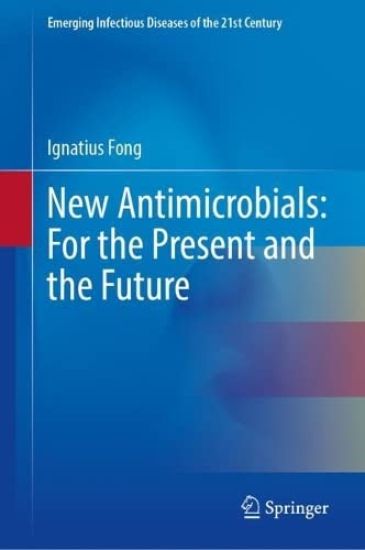
New Antimicrobials: For the Present and the Future

New Antimicrobials: For the Present and the Future

I.W. Fong

Springer International Publishing AG
2023
sidottu
This is a timely and essential companion to the recently published Antimicrobial Resistance in the 21st Century, Second Edition. Antimicrobial resistance is a major threat to global population health, with government reports projecting it could result in over 10 million deaths in the next 35 years. Development of new agents to combat this threat is one of the WHO's top priorities, but in 2017, it conceded that the current drug development pipeline was insufficient to mitigate the threat. This book discusses recent progress and bolster new agent discovery and development, by providing researchers and students who will soon enter the field with a thorough guide to the advancements made in the last decade. Coverage includes new systemic antimicrobials approved since 2010, with detailed analysis of antibiotics, antivirals, antifungals, and antiparasitics, as well as agents in development for future use. Discussion of each drug will include its chemical nature, pharmacology/pharmacokinetics, antimicrobial spectrum, dosage, adverse reactions, drug interactions, microbial resistance, indications, clinical efficacy compared to older agents, and lists of similar agents with cost comparison. This volume is designed for researchers and students of infectious disease and medical microbiology, as well as clinicians in need of a comprehensive guide to newly developed agents.
New Antimicrobials: For the Present and the Future

New Antimicrobials: For the Present and the Future

I.W. Fong

Springer International Publishing AG
2024
nidottu
This is a timely and essential companion to the recently published Antimicrobial Resistance in the 21st Century, Second Edition. Antimicrobial resistance is a major threat to global population health, with government reports projecting it could result in over 10 million deaths in the next 35 years. Development of new agents to combat this threat is one of the WHO's top priorities, but in 2017, it conceded that the current drug development pipeline was insufficient to mitigate the threat. This book discusses recent progress and bolster new agent discovery and development, by providing researchers and students who will soon enter the field with a thorough guide to the advancements made in the last decade. Coverage includes new systemic antimicrobials approved since 2010, with detailed analysis of antibiotics, antivirals, antifungals, and antiparasitics, as well as agents in development for future use. Discussion of each drug will include its chemical nature, pharmacology/pharmacokinetics, antimicrobial spectrum, dosage, adverse reactions, drug interactions, microbial resistance, indications, clinical efficacy compared to older agents, and lists of similar agents with cost comparison. This volume is designed for researchers and students of infectious disease and medical microbiology, as well as clinicians in need of a comprehensive guide to newly developed agents.