Kirjojen hintavertailu. Mukana 11 699 587 kirjaa ja 12 kauppaa.

Kirjahaku

Etsi kirjoja tekijän nimen, kirjan nimen tai ISBN:n perusteella.

31 kirjaa tekijältä Ian Collard

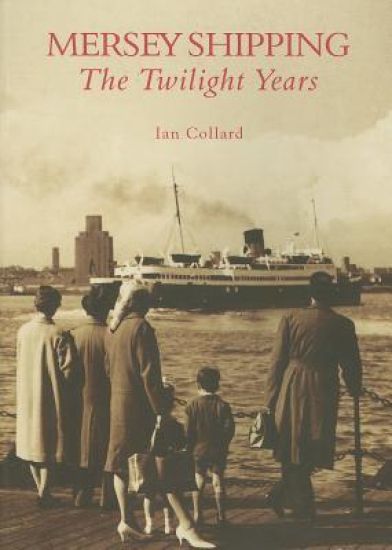
Mersey Shipping

Mersey Shipping

Ian Collard

The History Press Ltd
2000
nidottu
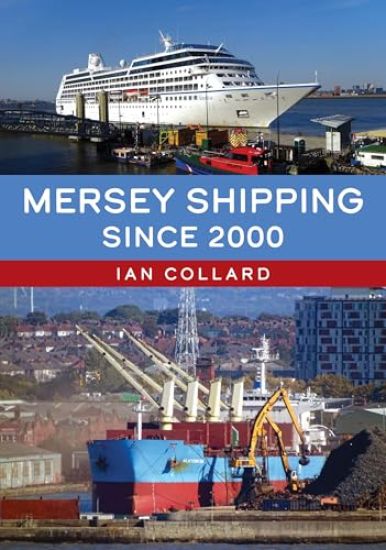
This is a book about life in a great maritime port of the 1960s. The photographs from the period show a busy, vibrant scene of commercial and industrial activity. However, this was a point when shipping was about to change drastically, as the emphasis switched to the shipping of goods and general cargoes in containers. The large shipping lines restructured into new container consortiums and the big fleets of conventional ships vanished almost overnight. Along with them went the tugs, barges and ancillary industries that provided employment to thousands in the region. Today, many of Liverpool's docks and warehouses lie empty as most goods are shipped through the Royal Seaforth Container Terminal. The twilight years of the 1960s were the last heyday of Liverpool's long maritime history and are captured in Ian Collard's striking period pictures. From the glories of Cunard to the everyday to-ing and fro-ing of coastal ferries, the busy scenes of a port at work are bought to life. Sadly, it is a scene that has gone forever, but as Liverpool's dock buildings take on new roles and the city moves into the twenty-first century, we can at least look and remember the sea-going commerce that made Liverpool great.
Mersey Ports

Mersey Ports

Ian Collard

The History Press Ltd
2001
nidottu
The busy River Mersey and its two ports, Liverpool and Birkenhead, have seen great changes in recent years. In Mersey Ports - Liverpool and Birkenhead, Ian Collard charts the developments that have taken place in maritime life on the Mersey, from the 1950s and 1960s through to the present day. Ships of all shapes and sizes have been found on the Mersey, from the old Mersey ferries and the motor ferries that replaced them, to huge passenger liners and container ships. as well as tall ships, tugs and seacats. All of them feature in this detailed photographic history. A host of international shipping companies are represented, including Blue Funnel, ellerman, Harrison and Elder Dempster lines. The Isle of Man Steam Packet Co. wintered its fleet in Morpeth Dock at Birkenhead, and Princes Landing Stage was once the focal point of activity at the docks, as passenger liners queued to berth.
Liverpool's Shipping Groups

Liverpool's Shipping Groups

Ian Collard

The History Press Ltd
2002
nidottu
The history of the great shipping groups of the nineteenth century is about family dynasties, business acumen, investment, risk taking and entrepreneurial skills. It is about everything that epitomises the Victorian age. Men of vision identified market trends and gaps in the provision of shipping services throughout the world. They were responsible for initiating routes that were that were to develop and blossom providing them with excellent returns on their original investment. The main British shipping lines in this book, including among others Brocklebank, Cunard, Blue Funnel, Booth, Elder Dempster, Ellerman, Hall Lines, Lamport Holt and Cayzer, Irvine had their origins in Liverpool, once the premier port in the United Kingdom. Head offices were located in Merseyside as were many ancillary departments. Over the past four decades the shape of British Shipping has changed and some of the established shipping lines that had been in business since Victorian times did not survive and many of the names in this book are now a memory of a different age. Others have been taken over by larger groups and their names have gradually vanished from the shipping records as their ships have been replaced or renamed. It was difficult to imagine in the 1960s that the shipping scene would change so dramatically in such a relatively period. Liverpool's Shipping Groups is a celebration of a period that will not be forgotten by anyone with an interest in ships and the sea.
Cammell Laird Volume One

Cammell Laird Volume One

Ian Collard

The History Press Ltd
2004
nidottu
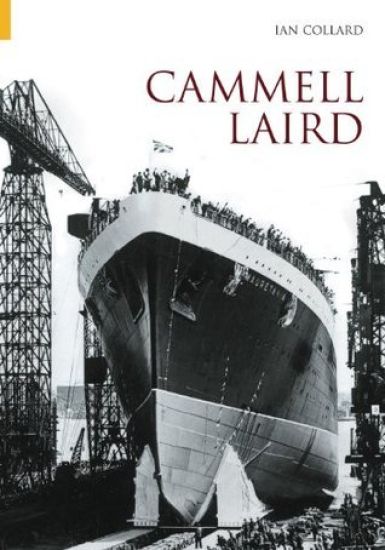
Cammell Laird's shipyard has brought tremendous benefit to the social and economic fabric of the area. For Ian Collard, who grew up in the Wirrall, it was a place he always imagined being there. However, severe competition from European and Far Eastern shipyards and the move to 'high technology' employment threatened its future. Furthermore, yards like Cammell Laird suffered when the size, type and numbers of naval ships were reduced.Ian Collard's interest in ships and shipping developed over the years as he witnessed the launch of many famous, illustrious ships, such as the Mauretania. He takes us on a voyage of discovery with absorbing captions to over 100 photographs of the vessels at Cammell Laird and the yard itself, which will appeal to ship enthusiasts and local people alike.
Cammell Laird Volume Two

Cammell Laird Volume Two

Ian Collard

The History Press Ltd
2006
nidottu
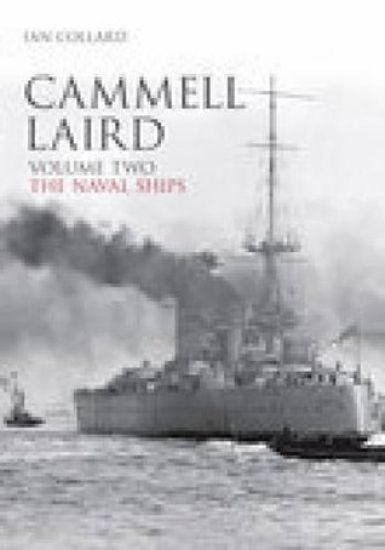
Since its founding as an engine manufacturer in the 1820s, Cammell Laird has had connections with the British and foreign navies. The Birkenhead shipbuilding yard has made many ships for the Royal Navy including many submarines, destroyers, dreadnoughts, aircraft carriers and cruisers.Once an employer of thousands, the yard is empty of the noise of welders, riveters, joiners, engineers and the myriad other skilled tradesmen needed to build a ship but its history remains – one that reads like a roll of honour for the British Navy; Ark Royal, Audacious, Birkenhead, Chester, Hardy, Hogue, HM/S Thetis, to name a few.Illustrated with many previously unpublished images, this will prove to be the definitive book on the most famous of the Cammell Laird-built Navy vessels.As well as British navy ships, the book includes a varied selection of foreign naval vessels from the Confederate blockade runner Alabama to many ships and submarines built for navies around the world.
Ellerman Lines

Ellerman Lines

Ian Collard

The History Press Ltd
2014
nidottu
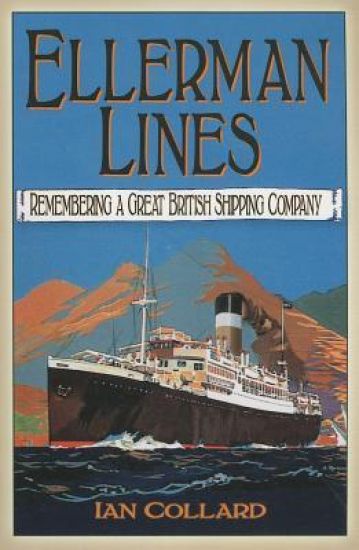
Ellerman Lines was formed by John Reeves Ellerman at the end of the nineteenth century. Ellerman left home at age 14, and at 24 he established J. Ellerman & Co. in London; by 1893, he had been appointed chair of a shipping company. Following the acquisition of various companies, Ellerman Lines Ltd was formed on 22 January 1902, becoming one of the greatest shipping lines in the world. Services were offered to the Mediterranean, India, South America and East and South Africa as the Ellerman group grew and grew. Ellerman Lines traded successfully throughout war and peace, heavily involved in the war effort, until the third quarter of the century, when many countries gained their independence from Britain and 1960s containerisation saw this once great shipping line close for good. Using many previously unpublished photographs illustrating the different types of vessels owned by Ellerman Lines, experienced maritime author Ian Collard turns his attention to the company’s history, from its establishment in 1886 until the shipping business was bought by its management in 1985. It was then sold to the Trafalgar House conglomerate, which merged it with its ownership of the Cunard Line to form Cunard-Ellerman in 1987. In 1991 it passed to the Andrew Weir Shipping Group and in 2003 the Mediterranean, Middle East, African, Indian and Pakistan services were acquired by Hamburg Süd and the Ellerman brand was replaced by them exactly two years later.
Isle of Man

Isle of Man

Ian Collard

The History Press Ltd
2013
nidottu
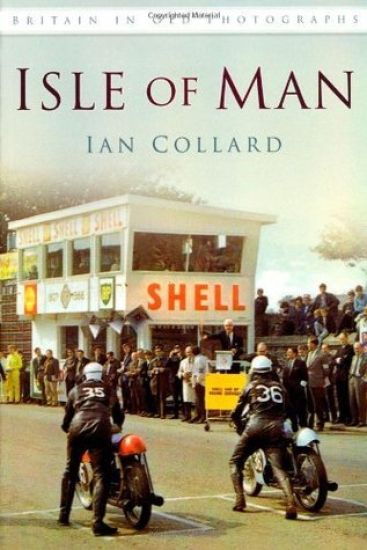
Over the course of 100 years, the Isle of Man developed from a collection of fishing villages into one of the main holiday destinations for people working in the Lancashire mills and coal mines. Hotels and other holiday accommodation were built and developed during the late Victorian era and people travelled to the Island by steamer from England, Scotland, Wales and Ireland. This influx of holiday makers brought great prosperity to the Island, which was also boosted by the annual TT motorcycle races. Illustrated with over 150 archive images, this collection of photographs and postcards provides a nostalgic insight into the changing history of the Isle of Man over the last century. Each image is accompanied by a detailed caption, bringing the past to life and describing many aspects of life on the Island, including work, recreation and leisure. This book will appeal to everyone with an interest in the history of the Isle of Man, and also awaken memories of a bygone time for those who worked, lived or have ever visited the Island.
Wallasey History Tour

Wallasey History Tour

Ian Collard

Amberley Publishing
2020
nidottu
Wallasey History Tour offers a fascinating glimpse into the past of this town on the Wirral Peninsula. Local author Ian Collard guides readers around its streets and buildings, showing how its famous landmarks used to look and how they have changed across the centuries, as well as exploring some of its lesser-known sights and hidden corners. This pocket-sized guide reveals how the town has altered and highlights the way of life for past generations. With the help of a handy location map, readers are invited to discover for themselves the changing face of Wallasey.
P&O Ferries

P&O Ferries

Ian Collard

Amberley Publishing
2021
nidottu
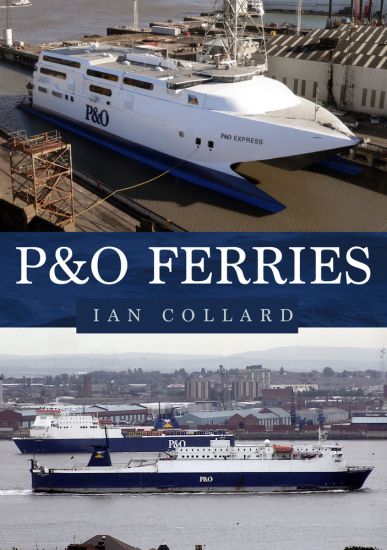
In the late 1960s, P&O established ferry services in the North Sea and English Channel. Roll-on/roll-off operations and containerisation were introduced and new ships, facilities and investment was needed to take advantage of developments. What followed was several decades of growth, buyouts and divisions. The twenty-first century saw the closure of several routes as the ferries saw increased competition from low-cost airline and the Channel Tunnel. Throughout this period, P&O attracted a loyal customer base and became one of the most recognisable names on the sea. Utilising a selection of rare and previously unpublished images, maritime historian Ian Collard delves into the story of this iconic company and its ships.
Stena Line

Stena Line

Ian Collard

AMBERLEY PUBLISHING
2022
nidottu
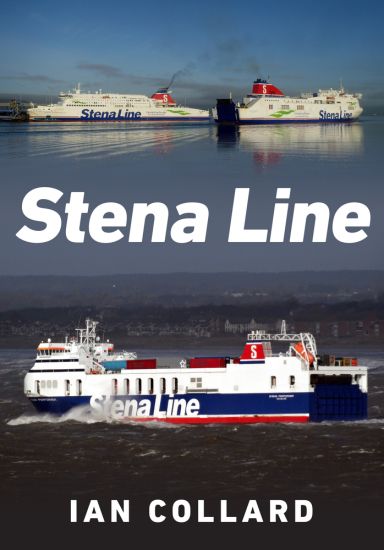
The major company in the short-sea passenger and freight business in 2020 is the Swedish Stena Line, who operate services to Europe, Scandinavia and Ireland from United Kingdom ports. The company was founded in 1962 by Sten A. Olsson in Gothenburg, Sweden, and was one of the first ferry operators in Europe to introduce a computer-based reservation system. In the 1980s, Stena took over three other ferry companies and their ships. Various other acquisitions followed, including the Harwich to Hook of Holland route The company doubled in size in 1990 following its takeover of Sealink British Ferries and Sea Containers. The company became Sealink Stena Line, then Stena Sealink Line, and finally Stena Line. With a wealth of rare and previously unpublished images, Ian Collard celebrates this famous company.
Irish Sea Ports on the River Mersey and River Dee
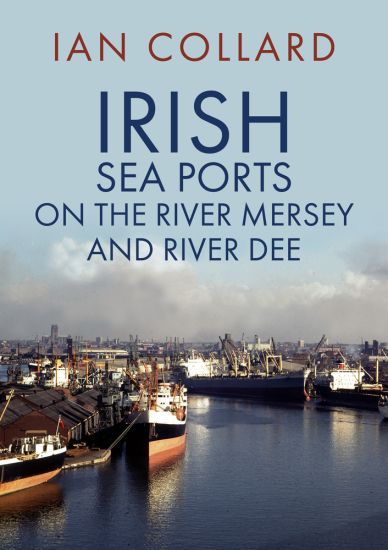
In this book, Ian Collard uses his collection of rare and previously unpublished images to tell the story of the Irish sea ports located on the River Mersey and River Dee. The history of these ports stretches back hundreds of years. The Mersey Docks & Harbour Board took control in 1858, and a variety of boards and groups have controlled various elements along both the Mersey and Dee ever since. Illustrated profusely throughout, this book tells the fascinating history of these hubs of business and activity.
Tugs and Towing Around Britain

Tugs and Towing Around Britain

Ian Collard

AMBERLEY PUBLISHING
2024
nidottu
The first tugs were built at the beginning of the nineteenth century as a result of the development of enclosed docks and the increase in size and power of sea-going vessels. Tugs were needed to assist ships to their berths and to navigate larger vessels into narrow waterways and tight docking areas. Tugs can tow or push vessels and need to be highly manoeuvrable and powerful. It is thought that the first tugboat was the Charlotte Dundas, which was powered by a Watt engine and was employed towing barges on the Forth and Clyde Canal in Scotland in 1802. The early tugs were fitted with paddle wheels, which were later replaced by propeller driven vessels. Ian Collard looks at a range of tugs employed around the British Isles assisting a variety of ships in the major ports and a selection of the smaller ones. The book features previously unpublished photographs from the author’s collection accompanied by informative captions.
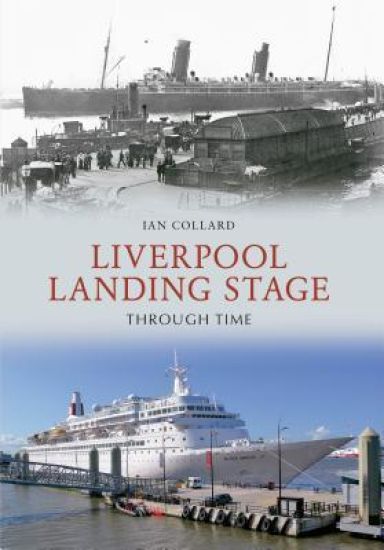
Liverpool Landing Stage Through Time

Liverpool Landing Stage Through Time

Ian Collard

Amberley Publishing
2011
nidottu
The Pier Head and landing stages have been places where the people of Liverpool have been able to view, participate in and enjoy many of the major maritime celebrations and events of the last hundred years. It is the city's equivalent to the Sydney Opera House, Fisherman's Wharf at San Francisco, the Manhattan Piers in New York and the Tower Bridge in London; a hub of transport, culture and transatlantic shipping. This book will take readers on a comprehensive photographic guide, past and present, not only of Liverpool Pier Head and Landing Stages and the architectural changes undergone, but also the regular visitors to Liverpool riverside, their own histories, and the technological changes of the shipping industry.
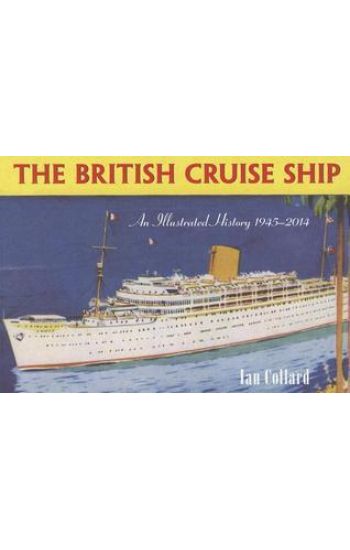
The British Cruise Ship an Illustrated History 1945-2014
When Arthur Anderson invited William Makepeace Thackeray to take a cruise in 1844, and to write about it, British shipping lines offered passage on their vessels for no other reason than leisure. By the 1880s, passenger ships designed solely for cruising were being built, and the cruise ships kept many a shipping line afloat during the Depression years, whether by offering booze cruises to nowhere for alcohol-starved Americans, or out of unlikely ports such as Immingham to Norway for the British middle classes. Ian Collard continues the story of British cruising from the end of the Second World War, when Cunard began construction of their 'green goddess', the Caronia, aimed squarely at the American market. The 1960s saw a shift from line voyages to cruising as the major money earner for all of the British passenger lines. The QE2 and Canberra made up the bulk of British cruise voyages in the 1970s and early 1980s. By the 1990s, there had been a resurgence in cruising, with new cruise ships and companies operating. From a low of 180,000 passengers in 1981 to some 1.5 million in 2013, British cruising is alive and well.