Kirjojen hintavertailu. Mukana 11 342 296 kirjaa ja 12 kauppaa.

Kirjahaku

Etsi kirjoja tekijän nimen, kirjan nimen tai ISBN:n perusteella.

12 kirjaa tekijältä Ian Maxwell

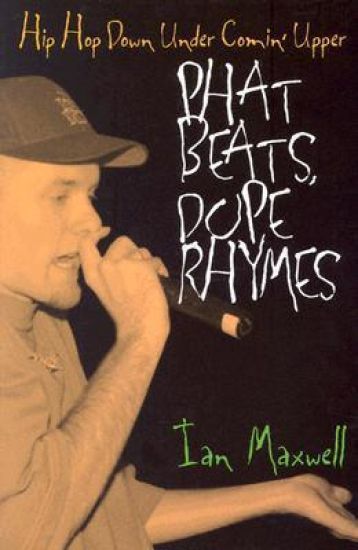
Phat Beats, Dope Rhymes

Phat Beats, Dope Rhymes

Ian Maxwell

Wesleyan University Press
2003
nidottu
Ian Maxwell's sophisticated story of Australia's hip-hop scene follows the lives of a small, influential group of rappers from Sydney's Westside in the early 1990s. Maxwell conveys the excitement of the scene and the struggles of the white musicians to define Australian hip-hop, showing how discourses of nationalism and community are played out in everyday life. Whether describing composition in a bedroom, confrontation in a radio studio, tagging in a subway line, or breaking in front of a stage, Maxwell evokes the intensity of feeling and the complexity of these key experiences. Phat Beats, Dope Rhymes looks at the many practices of hip-hop-graffiti, rapping, break dancing performances, compositional process, lyrics, music, and fanzines-and captures the fluid contradictions along with the bodily pleasures that make up the scene. With acute sensitivity, Maxwell shows how these young men negotiate issues of identity by imagining themselves within an international hip-hop nation. The book is rich in detail and theoretically innovative, A glossary of terms is included.
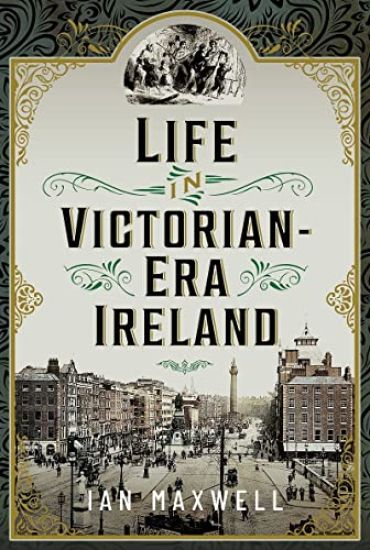
Life in Victorian Era Ireland

Life in Victorian Era Ireland

Ian Maxwell

PEN SWORD BOOKS LTD
2023
sidottu
There are many books which tackle the political developments in Ireland during the nineteenth century. The aim of this book is to show what life was like during the reign of Queen Victoria for those who lived in the towns and countryside during a period of momentous change. It covers a period of sixty-four years (1837-1901) when the only thing that that connected its divergent decades and generations was the fact that the same head of state presided over them. It is a social history, in so far as politics can be divorced from everyday life in Ireland, examining, changes in law and order, government intervention in education and public health, the revolution in transport and the shattering impact of the Great Famine and subsequent eviction and emigration. The influence of religion was a constant factor during the period with the three major denominations, Roman Catholic, Anglican and Presbyterian, between them accounting for all but a very small proportion of the Irish population. Schools, hospitals, and other charitable institutions, orphan societies, voluntary organisation, hotels, and even public transport and sporting organisations were organised along denominational lines. On a lighter note, popular entertainment, superstitions, and marriage customs are explored through the eyes of the Victorians themselves during the last full century of British rule.
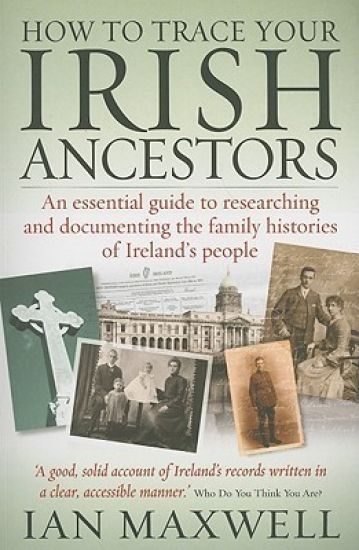
How to Trace Your Irish Ancestors 3rd Edition
Whether you're eager to hold on to EU citizenship post-Brexit or simply interested in exploring your family's past, learn how to research and document your Irish ancestry with this essential guide, newly updated to include the latest genealogy tools.The purpose of this book is to highlight the most important documentary evidence available to the family historian wishing to research their Irish ancestry. It is aimed primarily at researchers whose time in Irish repositories is limited, and who want to know what is available locally and online. It covers more than eighteen individual sources of information, making it simpler to organise your search and easier to carry it out both locally and on the ground.This books covers:- Where to begin- Researching online- Civil registration- Making sense of census returns, wills, election records- Migration, emigration- Local government and church records
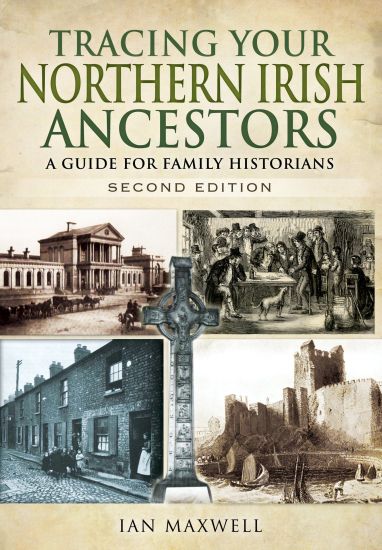
Tracing Your Northern Irish Ancestors: A Guide for Family Historians - Second Edition
The second edition of Tracing Your Northern Irish Ancestors is an expert introduction for the family historian to the wealth of material available to researchers in archives throughout Northern Ireland. Many records, like the early twentieth-century census returns and school registers, will be familiar to researchers, but others are often overlooked by all but the most experienced of genealogists. An easy-to-use, informative guide to the comprehensive collections available at the Public Record Office of Northern Ireland is a key feature of Ian Maxwell's handbook. He also takes the reader through the records held in many libraries, museums and heritage centres across the province, and he provides detailed coverage of records that are available online. Unlike the rest of the British Isles, which has very extensive civil and census records, Irish ancestral research is hampered by the destruction of many of the major collections. Yet Ian Maxwell shows how family historians can make good use of church records, school registers and land and valuation records to trace their roots to the beginning of the nineteenth century and beyond.
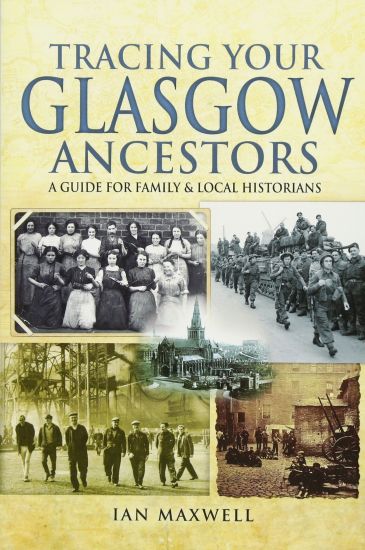
Tracing Your Glasgow Ancestors: A Guide for Family & Local Historians
Tracing Your Glasgow Ancestors is a volume in the series of city ancestral guides published by Pen & Sword for readers and researchers who want to find out about life in Glasgow in the past and to know where the key sources for its history can be found. In vivid detail it describes the rise of Glasgow through tobacco, shipping, manufacturing and trade from a minor cathedral town to the cosmopolitan centre of the present day. Ian Maxwell's book focuses on the lives of the local people both rich and poor and on their experience as Glasgow developed around them. It looks at their living conditions, at health and the ravages of disease, at the influence of religion and migration and education. It is the story of the Irish and Highland migrants, Quakers, Jews, Irish, Italians, and more recently people from the Caribbean, South-Asia and China who have made Glasgow their home. A wealth of information on the city and its people is available, and Glasgow Ancestors is an essential guide for anyone researching its history or the life of an individual ancestor. institutions, clubs, societies and schools.
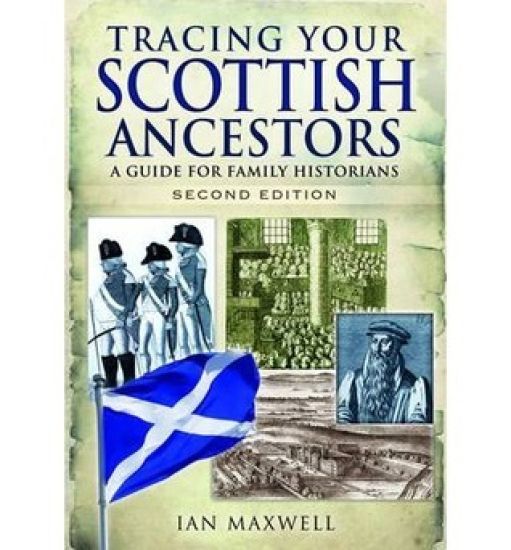
Tracing Your Scottish Ancestors: A Guide for Family Historians
This fully revised second edition of Ian Maxwell's Tracing Your Scottish Ancestors is a lively and accessible introduction to Scotland's long, complex and fascinating story. It is aimed primarily at family historians who are eager to explore and understand the world in which their ancestors lived. He guides readers through the wealth of material available to researchers in Scotland and abroad. He looks at every aspect of Scottish history and at all the relevant resources. As well as covering records held at the National Archives of Scotland, he examines closely the information held at local archives throughout the country. He also describes the extensive Scottish records that are now available on line. His expert and up-to-date survey is a valuable handbook for anyone who is researching Scottish history because he explains how the archive material can be used and where it can be found. For family historians, it is essential reading as it puts their research into a historical perspective, giving them a better insight into the part their ancestors played in the past.
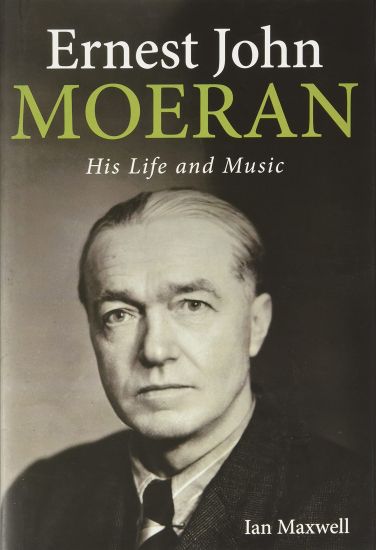
Ernest John Moeran

Ernest John Moeran

Ian Maxwell

The Boydell Press
2021
sidottu
This long-awaited study of the life and music of Anglo-Irish composer Ernest John Moeran (1894-1950) finally provides a full biography of the last senior figure in early twentieth-century British Music to have been without one. This long-awaited study of the life and music of Anglo-Irish composer Ernest John Moeran (1894-1950) finally provides a full biography of the last senior figure in early twentieth-century British Music to have been without one. Although Moeran's work was widely performed during his lifetime, he suffered neglect in the years following his death. It was not until a re-awakening of appreciation for the music of the folksong-inspired English pastoralism in the latter part of the twentieth century that Moeran's tuneful, well-crafted and approachable music began to attract a new audience. However, widely accepted misconceptions about his life and character have obscured a clearunderstanding of both man and composer. Written with the benefit of access to previously unknown or unresearched archives, Ernest John Moeran: His Life and Music strips away a hitherto unchallenged mythological framework, and replaces it by a thorough-going examination and analysis of the life and work of a musician that may reasonably be asserted as having been unique in British music history.
How to Trace Your Irish Ancestors 2nd Edition
The purpose of this book is to highlight the most important documentary evidence available to the family historian wishing to research their Irish ancestry. It is aimed primarily at researchers whose time in Irish repositories is limited, and who want to know what is available locally and online. It covers more than eighteen individual sources of information, making it simpler to organise your search and easier to carry it out both locally and on the ground.Contents: 1. Where to Begin; 2. Administrative Divisions; 3. Civil Registration; 4. Census Returns and Old Age Pension Claims; 5. Census Substitutes; 6. Wills and Testamentary Records; 7. Election Records; 8. Board of Guardian Records; 9. School Records; 10. Migration; 11. Emigration; 12. Landed Estate Records; 13. Taxation and Valuation Records; 14. Church Records; 15. Military Records; 16. Printed Records; 17. Law & Order; 18. Local Government; 19. Researching Online.
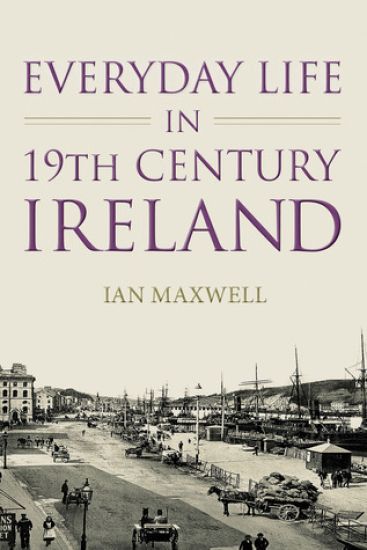
Everyday Life in 19th Century Ireland

Everyday Life in 19th Century Ireland

Ian Maxwell

Nonsuch Publishing
2012
nidottu
To Victorian visitors, Ireland was a world of extremes – Luxurious country houses to one-room mud cabins (in 1841 40% of Irish housing was the latter). This thorough and engaging social history of Ireland offers new insights into the ways in which ordinary people lived during this dramatic moment in Ireland’s history from 1800-1914. It covers wide range of aspects of everyday lives: from work on the many wealthy country estates to grinding poverty in the towns. It covers the transformative effects of the railway development and Ireland’s first tourist boom. Workhouse life and the new Poor Law system which incarcerated entire families behind forbidding walls. Religious divisions, educational boycotts, customs and superstitions.
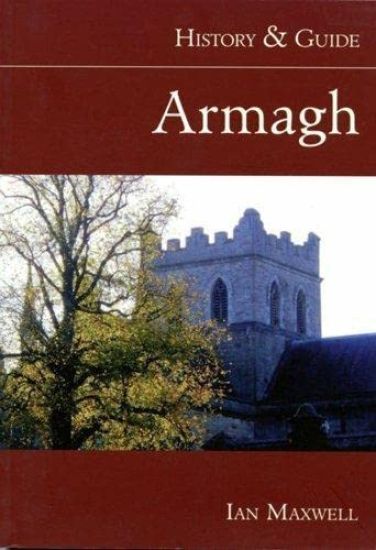
Armagh: History and Guide

Armagh: History and Guide

Ian Maxwell

Nonsuch Publishing
2009
nidottu
The Ulster Tourist Development Association declared in 1935 that 'Armagh is perhaps the most important county in Ulster from the tourist's point of view'. It is certainly the case that much of Ulster's colourful early history has taken place in and around the ancient ecclesiastical settlement of Armagh. Although one of the smallest counties in Ireland, it is steeped in myth and legend, and its association with Saint Patrick secured for Armagh the position of the ecclesiastical capital of Ireland. Armagh: History & Guide takes a detailed look at the often turbulent history of the county, and provides a guide to its rich archaeological and architectural heritage. Drawing on a wide variety of sources, this comprehensive guide to County Armagh is as fascinating as the location it describes and will appeal to residents and tourists alike.