Kirjahaku
Etsi kirjoja tekijän nimen, kirjan nimen tai ISBN:n perusteella.
9 kirjaa tekijältä Ilene Winn-Lederer
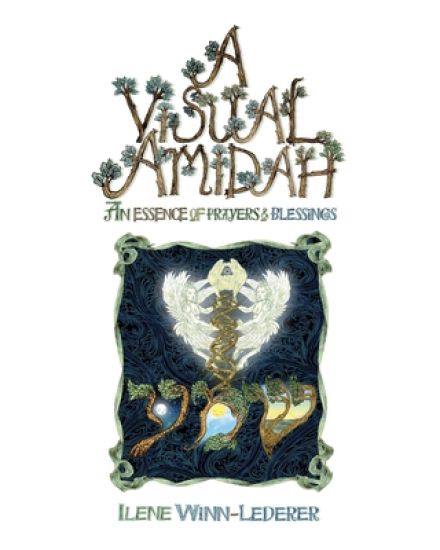
A Visual Amidah: An Essence Of Prayers & Blessings
Ilene Winn-Lederer
Imaginarius Editions
2020
nidottu
A Visual Amidah: An Essence Of Prayers & Blessings is an illuminated rendition of The Amidah, the set of nineteen prayers and blessings that form the core of the Jewish worship liturgy. Full-color illustrations and illuminations that appear in Hebrew and English respond to the essence of each. In Hebrew, the word Amidah translates to 'standing' because one must stand with feet together during recitation, signaling respect for G-d. This position is said to mirror the prophet Ezekiel's vision of angels (Ezekiel 1:7) in which their feet appeared as one unit. The Amidah is also known as the 'Shemoneh Esrei' or Eighteen Benedictions for it originally contained eighteen prayers and blessings when it was composed by the 120 men of the Great Assembly in 450 BCE. The Amidah was amended with a nineteenth prayer in the second century, CE. The book includes an artist's preface, a brief history of The Amidah and artist's notes on the intent of each prayer and blessing with explanations of the imagery chosen for each.
AirPlay: A Catch Of Jugglers are a collection of tradigital (traditional & digital) illustrations that are an imaginative journey into the world of juggling, its symbolism, origins & a tribute to the author's son, a former professional juggler; the inspiration for this book.
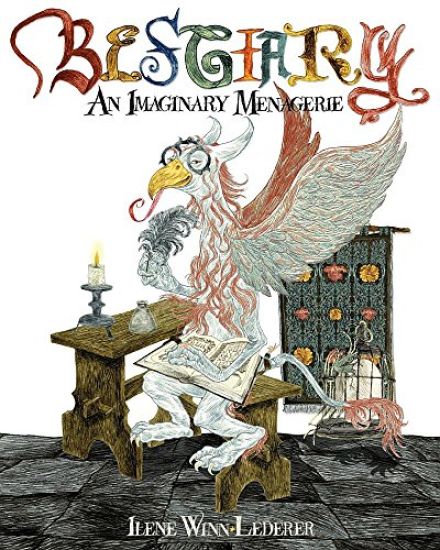
Bestiary: An Imaginary Menagerie is an art book organized within the framework of an A-Z alliterative alphabet with a preface and artist's notes. From the Preface: "Creating a bestiary or illustrated collection of real and imaginary animals is one of those ideas that simmered slowly for years on my imagination's back burner. Unexpectedly, it began bubbling again in November of 2015 as I came across some journal notes that sketched out the parameters of such a project. Pausing at a drawing of a unicorn, I began to wonder about our fascination with bestiaries. These colorful hybrids of letterforms and fanciful illustrations first appeared during the medieval era as artists were commissioned by nobility and wealthy merchants to interpret their na ve descriptions of strange creatures seen on their voyages to exotic lands. Yet, despite our greatly evolved knowledge of zoology since then, why does this timeless literary art form remain popular among the offerings of contemporary publishers? I propose that it does so because we have yet to fully understand the synthesis of our own evolving animal natures with the gifts of speech, writing and acumen. That said, I've always loved to draw animals and have featured them in many original works of art. However, most of my animals are not portrayed realistically; I prefer to imbue them with qualities that reflect our human fortes and foibles. Those bestiary illustrations in which the animals display such attributes were important inspirations for this book. They can be found in The Aberdeen Bestiary (1200 AD), The Northumberland Bestiary (1250-1260 AD) and The Tudor Bestiary (1520 AD). Among my favorite 20th century editions are: Jungle-Jangle by Peter Newell (1909) and The Bestiario Moderno made in 1968 by Domenico Gnoli. In designing BESTIARY: AN IMAGINARY MENAGERIE, I've framed each illustration with an alphabetical alliteration both for organizational purposes and simply because it was great fun to do My hope is that my efforts will complement the voluminous body of bestiaries throughout history that are tributes to the wonders of creation and to our human imagination...