Kirjojen hintavertailu. Mukana 12 016 292 kirjaa ja 12 kauppaa.

Kirjahaku

Etsi kirjoja tekijän nimen, kirjan nimen tai ISBN:n perusteella.

10 kirjaa tekijältä Ilkka Syvanne

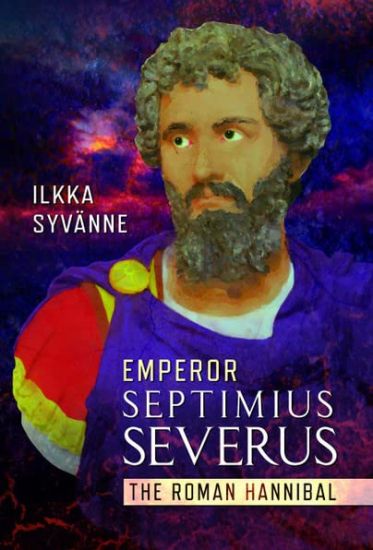
Emperor Septimius Severus

Emperor Septimius Severus

Ilkka Syvanne

PEN SWORD BOOKS LTD
2023
sidottu
One ancient source called Severus the most warlike of all men who had lived up to that moment in time. The rise of Septimius Severus to power started the dominance of the military in Roman affairs and it was because of this that Septimius's advice for his sons was nothing less than: 'Be harmonious, enrich the soldiers, and scorn all other men!' Ilkka Syvanne explains in detail how the African Septimius Severus achieved his position, how he won his wars and battles and how he used his newly gained power to secure his family's position. He reveals how he reformed the state and its military, and how he used these remodelled forces in wars of conquest to prove his worth as emperor to both the soldiers and the populace. This biography offers the first complete overview of the policies, events and military campaigns of Severus' reign in the fullest detail allowed by the sources. It also explains how and why these contributed to the military crisis of the third century and discusses the legacy he left for his son, Caracalla, who followed him in both his good and bad traits.
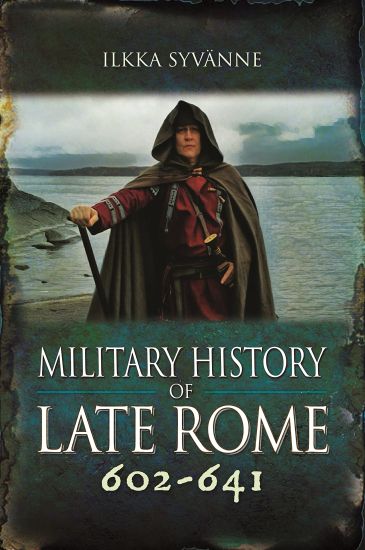
Military History of Late Rome 602-641

Military History of Late Rome 602-641

Ilkka Syvanne

PEN SWORD BOOKS LTD
2022
sidottu
The Military History of Late Rome 565-602 provides a fresh analysis of the Roman Empire from the reign of Phocas (602-10) until the death of Heraclius (610-41). This was an era of unprecedented upheavals which is usually considered to have resulted in the end of antiquity. The usurpations of Phocas and Heraclius led to the collapse of the Roman defences; The Persians conquered Syria, Lebanon, Palestine and Egypt; The Avars and Slavs ravaged the Balkans; The Lombards held the upper hand in Italy; the Visigoths conquered Spain; But then happened one of the most remarkable reversals of fortune in the history of mankind. Heraclius began his holy war against the fire-worshippers. He launched a very effective counterattack against the Persians as a result of which the Romans not only defeated the Persians but actually even extended their domains at their expense, and not only this, because by 633 Heraclius was already restoring the Roman fortunes in the Balkans. This volume revises many of the previously held views of how this took place and what actually happened. The Roman armies seemed invincible and then happened yet another great reversal of fortune - the Muslims began their jihad to conquer the world. The author provides a fresh analysis of all of these upheavals; explains in detail why these reversals of fortune happened; what enabled the Romans to defeat the Persians; and why the Romans lost when they fought against the Muslims and, conversely, why the Muslims were so successful. This was an era of epic campaigns and battles all of which are explained in unprecedented detail. The epic campaigns needed equally talented commanders who include, for example, Heraclius, Chosroes II Parwez, Shahrbaraz, Shahin, Abu Bakr, Umar, Abu Ubaydah, and Khalid b. al-Walid, the Sword of Allah. This is revisionist history writing at its best.
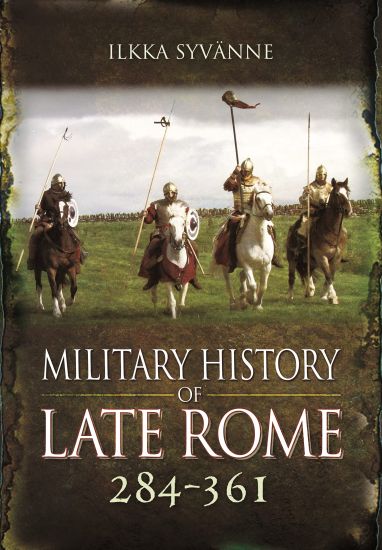
Military History of Late Rome 284 361

Military History of Late Rome 284 361

Ilkka Syvanne

PEN SWORD BOOKS LTD
2021
nidottu
This ambitious series gives the reader a comprehensive narrative of late Roman military history from 284-641\. Each volume (5 are planned) gives a detailed account of the changes in organization, equipment, strategy and tactics among both the Roman forces and her enemies in the relevant period, while also giving a detailed but accessible account of the campaigns and battles. Volume I covers the period 284-361, starting with recovery from the 'third-century crisis' and the formation of the Tetrarchy. Constantine's civil wars and stabilization.are also major themes, with the pattern repeated under his sons. Constantius IIs wars against the usurper Magnentius, the Danubian tribes and the Sassanid Persians illustrate the serious combination of internal and external threats the Empire faced at this time. The author discusses these and the many other dramatic military events in their full context and puts forward some interesting conclusions on strategic and tactical developments. He argues, for example, that the Roman shift from infantry to cavalry as the dominant arm occurred considerably earlier than usually accepted. Anyone with an interest in the military history of this period will find it both informative and thought-provoking.
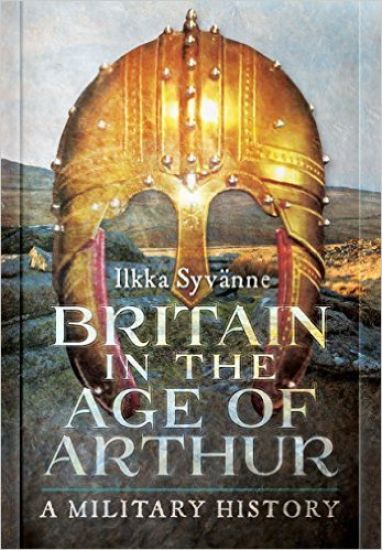
Britain in the Age of Arthur

Britain in the Age of Arthur

Ilkka Syvanne

Pen Sword Military
2019
sidottu
King Arthur is one of the most controversial topics of early British history. Are the legends based on a real historical figure or pure mythological invention? Ilkka Syvanne's study breaks new ground, adopting a novel approach to the sources by starting with the assumption that Arthur existed and that Geoffrey of Monmouth's account has preserved details of his career that are based on real events. He then interprets these by using 'common sense' and the perspective of a specialist in late Roman military history to form a probable picture of what really happened during the period (roughly AD 400-550). This approach allows the author to test the entire literary evidence for the existence of Arthur to see if the supposed events of his career match what is known of the events of the period, the conclusion being that in general they do. Arthur's military career is set in the context of the wider military history of Britain and Europe in this period and along the way describes the nature of armies and warfare of the period.
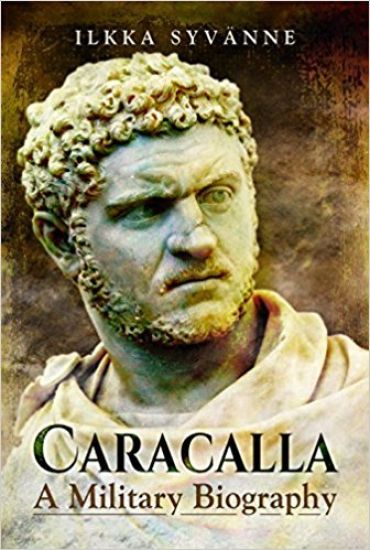
Caracalla

Caracalla

Ilkka Syvanne

Pen Sword Military
2017
sidottu
Caracalla has one of the worst reputations of any Roman Emperor. Many ancient historians were very hostile and Edward Gibbon later dubbed him 'the common enemy of mankind'. Yet his reign was considered by at least one Roman author to be the apogee of the Roman Empire. Guilty of many murders and massacres (including his own brother, ex-wife and daughter) he was, however, popular with the army, improving their pay and cultivating the image of sharing their hardships. Surprisingly this is the first full-length biography of this colourful character in English. Ilkka Syvanne explains how the biased ancient sources in combination with the stern looking statues of the emperor have created a distorted image of the man and then reconstructs the actual events, particularly his military campaigns and reforms, to offer a balanced view of his reign. The biography offers the first complete overview of the policies, events and military campaigns of the reign and explains how and why these contributed to the military crisis of the third century.
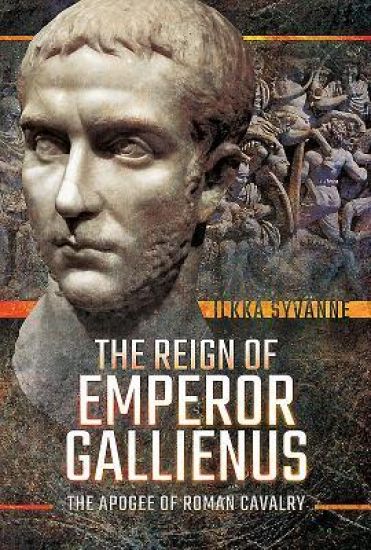
The Reign of Emperor Gallienus

The Reign of Emperor Gallienus

Ilkka Syvanne

Pen Sword Military
2019
sidottu
This is the only fully illustrated military life of the Emperor Publius Licinius Egnatius Gallienus (253-268). Considered the most blatantly military man of all of the soldier emperors of the third century, Gallienus is the emperor in Harry Sidebottom's bestselling Warrior of Rome novels. Gallienus faced more simultaneous usurpations and foreign invasions than any other emperor, but somehow he managed to survive. Dr. Ilkka Syvanne explains how this was possible. It was largely thanks to the untiring efforts of Gallienus that the Roman Empire survived for another 1,200 years. Gallienus was a notorious libertarian, womanizer, and cross-dresser, but he was also a fearless warrior, duellist and general all at the same time. This monograph explains why he was loved by the soldiers,yet so intensely hated by some officers that they killed him in a conspiracy. The year 2018 is the 1,800th anniversary of Gallienus' date of birth and the 1,750th anniversary of his date of death. The Reign of Gallienus celebrates the life and times of this great man.
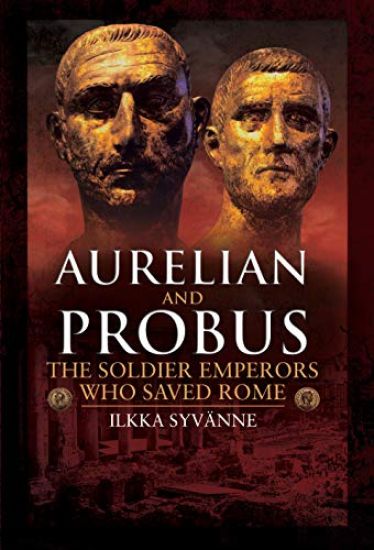
Aurelian and Probus: The Soldier Emperors Who Saved Rome
This is a narrative military history of the emperors Lucius Domitius Aurelianus ( Aurelian', reigned 270-275) and Marcus Aurelius Probus (276-282) which also includes the other reigns between the years 268 and 285. It shows how these two remarkable emperors were chiefly responsible for the Empire surviving and emerging largely intact from a period of intense crisis. It was Aurelian who first united the breakaway regions, including Zenobia's Palmyra, and it was Probus who then secured his achievements. The reigns of Aurelian and Probus have been subjected to many studies, but none of these have approached the extant material purely from the point of view of military analysis. Most importantly, the previous historians have not exploited the analytical opportunities provided by the military treatises that describe the strategy and tactics of the period Roman army. It is thanks to this new methodology that Ilkka Syvanne has been able to reconstruct the military campaigns of these two soldier emperors and their other contemporaries in far greater detail than has been possible before.
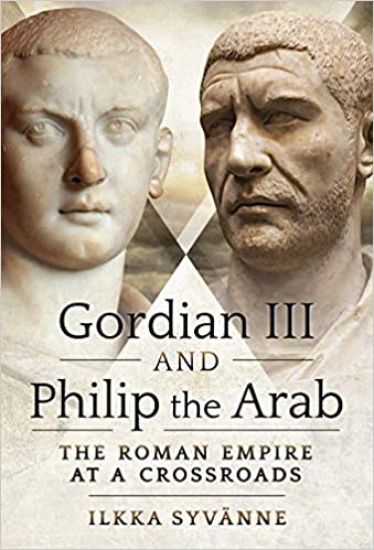
Gordian III and Philip the Arab

Gordian III and Philip the Arab

Ilkka Syvanne

Pen Sword Military
2021
sidottu
This is a dual biography of the emperors Marcus Antonius Gordianus ('Gordian III', reigned 238-244) and Marcus Julius Philippus Augustus ('Philip the Arab', reigned 244-249), focusing mainly on the political and military events during this crucial stage of the 'Third Century Crisis'. The tumultuous 'Year of the Six Emperors' saw Gordian raised to the purple at just thirteen years of age, becoming the youngest emperor in the Empire's history at a time when the borders were threatened by the powerful Sassanid Persians and the Goths, among others. Gordian died on a campaign against the Persians, either in battle or possibly murdered by his own men. Philip, succeeded Gordian, made peace with Shapur I and returned to Italy. His reign encompassed the spectacular celebration of Rome's millennium in 248 but the wars in the Balkans and East together with crippling taxation led to mutinies and rebellions. Philip and his brother had until then fought successfully against the Persians and others but this did not save Philip, who was killed by a usurper's forces at the Battle of Verona in 249\. He had been Rome's first Christian emperor and the author considers why it was fifty years before she had another.
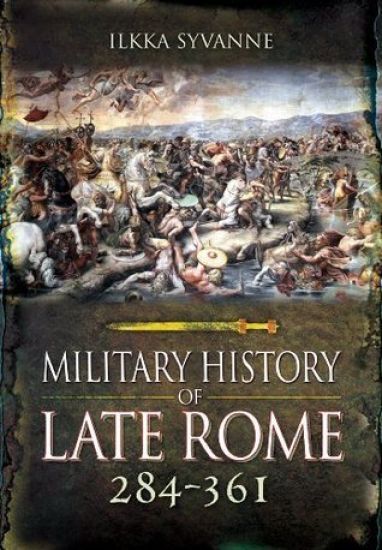
Military History of Late Rome 284-361: Volume 1

Military History of Late Rome 284-361: Volume 1

Ilkka Syvanne

Pen Sword Military
2014
sidottu
This ambitious series gives the reader a comprehensive narrative of late Roman military history from 284-641. Each volume (5 are planned) gives a detailed account of the changes in organization, equipment, strategy and tactics among both the Roman forces and her enemies in the relevant period, while also giving a detailed but accessible account of the campaigns and battles. Volume I covers the period 284-361, starting with recovery from the 'third-century crisis' and the formation of the Tetrarchy. Constantine's civil wars and stabilization.are also major themes, with the pattern repeated under his sons. Constantius II's wars against the usurper Magnentius, the Danubian tribes and the Sassanid Persians illustrate the serious combination of internal and external threats the Empire faced at this time. The author discusses these and the many other dramatic military events in their full context and puts forward some interesting conclusions on strategic and tactical developments. He argues, for example, that the Roman shift from infantry to cavalry as the dominant arm occurred considerably earlier than usually accepted.Anyone with an interest in the military history of this period will find it both informative and thought-provoking.
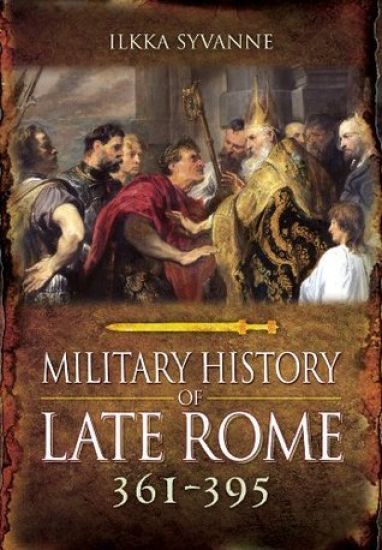
The Military History of Late Rome AD 361-395

The Military History of Late Rome AD 361-395

Ilkka Syvanne

Pen Sword Military
2018
sidottu
This is the second volume in an ambitious series giving the reader a comprehensive narrative of late Roman military history from AD 284-641. Each volume (5 are planned) gives a detailed account of the changes in organization, equipment, strategy and tactics among both the Roman forces and her enemies in the relevant period, while also giving a detailed but accessible account of the campaigns and battles. This volume covers the tumultuous period from the death of Constantius II in AD 361 to the death of Theodosius. Among the many campaigns covered, it therefore includes the Emperor Julian's fatal campaign against the Sassanian Persians and the disastrous defeat and death of Valens at Adrianople in 378. Such calamities illustrate the level of external threat Rome's armies faced on many fronts in this difficult period.