Kirjojen hintavertailu. Mukana 12 083 983 kirjaa ja 12 kauppaa.

Kirjahaku

Etsi kirjoja tekijän nimen, kirjan nimen tai ISBN:n perusteella.

5 kirjaa tekijältä Ina Zweiniger-Bargielowska

Austerity in Britain

Austerity in Britain

Ina Zweiniger-Bargielowska

Oxford University Press
2000
sidottu
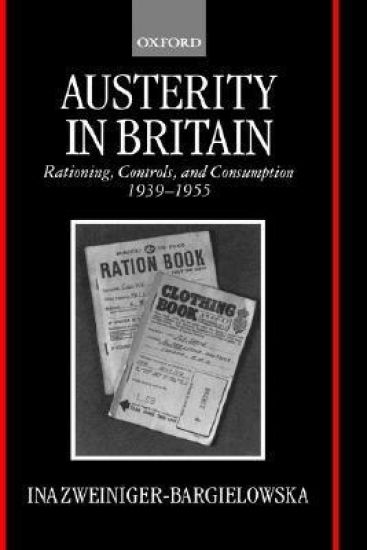
Austerity in Britain is the first book to explore the entire episode of rationing, austerity, and fair shares from 1939 until 1955. These policies were central to the British war effort and to post-war reconstruction. The book analyses the connections between government policy, consumption, gender, and party politics during and after the Second World War. The economic background to austerity, the policy's administration, and changes in consumption standards are examined. Rationing resulted in at times extensive black markets and popular attitudes to the policy ranged from wartime acquiescence to post-war discontent. Austerity in Britain qualifies the myth of common sacrifice on the home front and highlights the limitations of the fair-shares policy which failed to achieve genuine equality between classes or between men and women. The continuation of rationing and austerity policies after 1945 was central to party politics. Disaffection, particularly among women, undermined Labour's popularity while the Conservatives' critique of austerity was instrumental to the party's victories at the general elections of 1951 and 1955.
Austerity in Britain

Austerity in Britain

Ina Zweiniger-Bargielowska

Oxford University Press
2002
nidottu
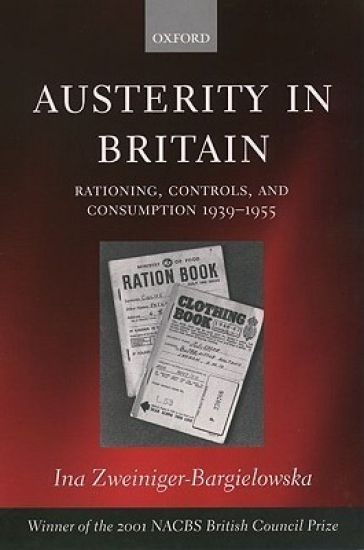
Austerity in Britain is the first book to explore the entire episode of rationing, austerity, and fair shares from 1939 until 1955. These policies were central to the British war effort and to post-war reconstrucion. The book analyses the connections between government policy, consumption, gender, and party politics during and after the Second World War. The economic background to austerity, the policy's administration, and changes in consumption standards are examined. Rationing resulted in at times extensive black markets and popular attitudes to the policy ranged from wartime acquiescence to post-war discontent. Austerity in Britain qualifies the myth of common sacrifice on the home front and highlights the limitations of the fair-shares policy which failed to achieve genuine equality between the classes or between men and women. The continuation of rationing and austerity policies after 1945 was central to party politics. Disaffecton, particulary among women, undermined Labour's popularity while the Conservatives' critique of austerity was instrumental in the party's victories at the general elections of 1951 and 1955.
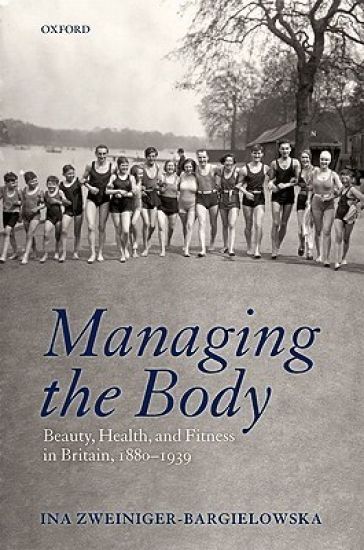
Managing the Body

Managing the Body

Ina Zweiniger-Bargielowska

Oxford University Press
2010
sidottu
Managing the Body explores the emergence of modern male and female bodies within the context of debates about racial fitness and active citizenship in Britain from the 1880s until 1939. It analyses the growing popularity of hygienic regimen or body management such as dietary restrictions, exercise, sunbathing, dress reform, and birth control to cultivate beauty, health, and fitness. These bodily disciplines were advocated by a loosely connected group of life reform and physical culture promoters, doctors, and public health campaigners against the background of rapid urbanization, the rise of modern lifestyles, a proliferation of visual images of beautiful bodies, and eugenicist fears about racial degeneration. The author shows that body management was an essential aspect of the campaign for national efficiency before 1914. The modern nation state needed physically efficient, disciplined citizens and the promotion of hygienic practices was an integral component of the Edwardian welfare reforms. Anxieties about physical deterioration persisted after the First World War, as demonstrated by the launch of new pressure groups that aimed to transform Britain from a C3 to an A1 nation. These military categories became a recurrent metaphor throughout the interwar years and the virtuous habits of the healthy and fit A1 citizen were juxtaposed with those of the C3 anti-citizen, whose undisciplined lifestyle was attributed to ignorance and lack of self-control. Practices such as vegetarianism, nudism, and men's dress reform were utopian and appealed only to a small minority, but sunbathing, hiking, and keep-fit classes became mainstream activities and they were promoted in the National Government's 'National Fitness Campaign' of the late 1930s.
Women in Twentieth-Century Britain

Women in Twentieth-Century Britain

Ina Zweiniger-Bargielowska

Longman
2001
nidottu
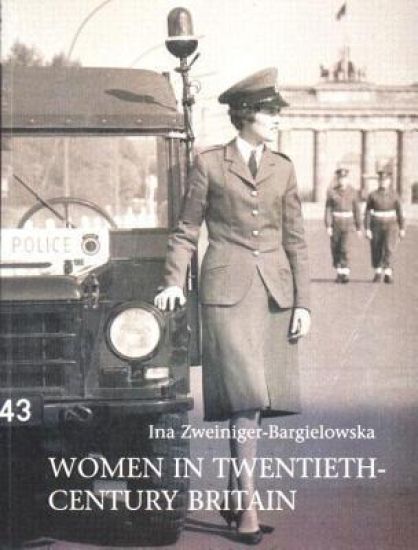
Women's lives have changed dramatically over the course of the twentieth century: reduced fertility and the removal of formal barriers to their participation in education, work and public life are just some examples. At the same time, women are under-represented in many areas, are paid significantly less than men, continue to experience domestic violence and to bear the larger part of the burden in the domestic division of labour. Women in 2000 may have many more choices and opportunities than they had a hundred years ago, but genuine equality between men and women remains elusive. This unique, illustrated history discusses a wide range of topics organised into four parts: the life course - the experience of girlhood, marriage and the ageing process; the nature of women's work, both paid and unpaid; consumption, culture and transgression; and citizenship and the state.
Women in Twentieth-Century Britain

Women in Twentieth-Century Britain

Ina Zweiniger-Bargielowska

Routledge
2016
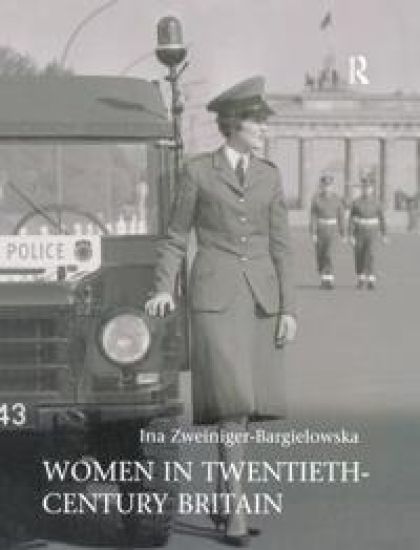
sidottu
Women's lives have changed dramatically over the course of the twentieth century: reduced fertility and the removal of formal barriers to their participation in education, work and public life are just some examples. At the same time, women are under-represented in many areas, are paid significantly less than men, continue to experience domestic violence and to bear the larger part of the burden in the domestic division of labour. Women in 2000 may have many more choices and opportunities than they had a hundred years ago, but genuine equality between men and women remains elusive. This unique, illustrated history discusses a wide range of topics organised into four parts: the life course - the experience of girlhood, marriage and the ageing process; the nature of women's work, both paid and unpaid; consumption, culture and transgression; and citizenship and the state.