Kirjojen hintavertailu. Mukana 11 627 467 kirjaa ja 12 kauppaa.

Kirjahaku

Etsi kirjoja tekijän nimen, kirjan nimen tai ISBN:n perusteella.

2 kirjaa tekijältä Inaya Rakhmani

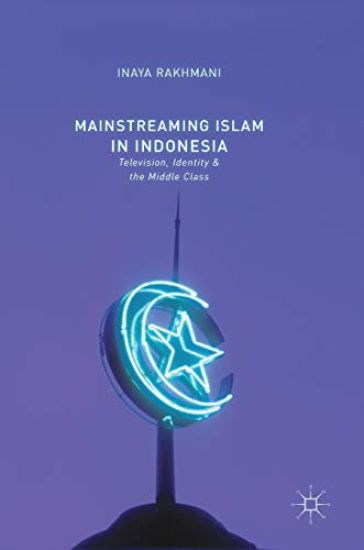
Mainstreaming Islam in Indonesia

Mainstreaming Islam in Indonesia

Inaya Rakhmani

Palgrave Macmillan
2017
sidottu
This cutting edge book considers the question of Islam and commercialisation in Indonesia, a majority Muslim, non-Arab country. Revealing the cultural heterogeneity behind rising Islamism in a democratizing society, it highlights the case of television production and the identity of its viewers. Drawing from detailed case studies from across islands in the diverse archipelagic country, it contends that commercial television has democratised the relationship between Islamic authority and the Muslim congregation, and investigates the responses of the heterogeneous middle class towards commercial da’wah. By taking the case of commercial television, the book argues that what is occurring in Indonesia is less related to Islamic ideologisation than it is a symbiosis between Muslim middle class anxieties and the workings of market forces. It examines the web of relationships that links Islamic expression, commercial television, and national imagination, arguing that the commercialisation of Islam through national television discloses unrequited expectations of equality between ethnic and religious groups as well as between regions.
Mainstreaming Islam in Indonesia

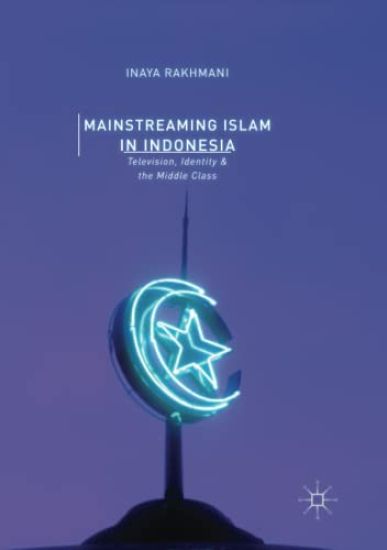
Mainstreaming Islam in Indonesia

Inaya Rakhmani

Palgrave Macmillan
2018
nidottu
This cutting edge book considers the question of Islam and commercialisation in Indonesia, a majority Muslim, non-Arab country. Revealing the cultural heterogeneity behind rising Islamism in a democratizing society, it highlights the case of television production and the identity of its viewers. Drawing from detailed case studies from across islands in the diverse archipelagic country, it contends that commercial television has democratised the relationship between Islamic authority and the Muslim congregation, and investigates the responses of the heterogeneous middle class towards commercial da’wah. By taking the case of commercial television, the book argues that what is occurring in Indonesia is less related to Islamic ideologisation than it is a symbiosis between Muslim middle class anxieties and the workings of market forces. It examines the web of relationships that links Islamic expression, commercial television, and national imagination, arguing that the commercialisation of Islam through national television discloses unrequited expectations of equality between ethnic and religious groups as well as between regions.