Kirjojen hintavertailu. Mukana 11 717 486 kirjaa ja 12 kauppaa.

Kirjahaku

Etsi kirjoja tekijän nimen, kirjan nimen tai ISBN:n perusteella.

4 kirjaa tekijältä Irina Reyfman

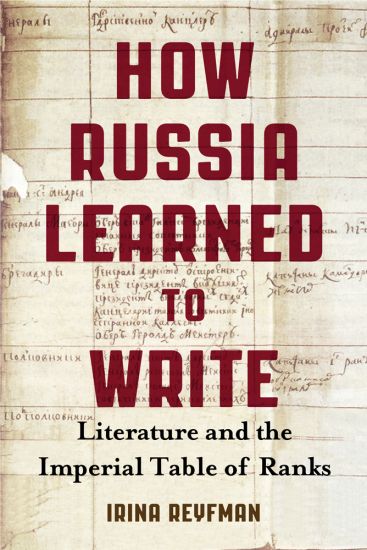
How Russia Learned to Write

How Russia Learned to Write

Irina Reyfman

University of Wisconsin Press
2016
sidottu
In the eighteenth century, as modern forms of literature began to emerge in Russia, most of the writers producing it were members of the nobility. But their literary pursuits competed with strictly enforced obligations to imperial state service. Unique to Russia was the Table of Ranks, introduced by Emperor Peter the Great in 1722. Noblesse oblige was not just a lofty principle; aristocrats were expected to serve in the military, civil service, or the court, and their status among peers depended on advancement in ranks.Irina Reyfman illuminates the surprisingly diverse effects of the Table of Ranks on writers, their work, and literary culture in Russia. From Sumarokov and Derzhavin in the eighteenth century through Pushkin, Gogol, Dostoevsky, and poets serving in the military in the nineteenth, state service affected the self-images of writers and the themes of their creative output. Reyfman also notes its effects on Russia’s atypical course in the professionalization and social status of literary work.
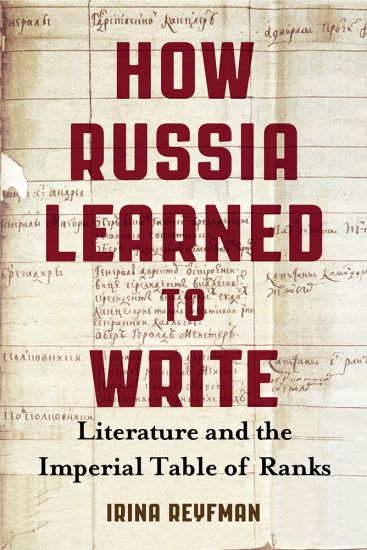
How Russia Learned to Write

How Russia Learned to Write

Irina Reyfman

University of Wisconsin Press
2021
nidottu
In the eighteenth century, as modern forms of literature began to emerge in Russia, most of the writers producing it were members of the nobility. But their literary pursuits competed with strictly enforced obligations to imperial state service. Unique to Russia was the Table of Ranks, introduced by Emperor Peter the Great in 1722. Noblesse oblige was not just a lofty principle; aristocrats were expected to serve in the military, civil service, or the court, and their status among peers depended on advancement in ranks.Irina Reyfman illuminates the surprisingly diverse effects of the Table of Ranks on writers, their work, and literary culture in Russia. From Sumarokov and Derzhavin in the eighteenth century through Pushkin, Gogol, Dostoevsky, and poets serving in the military in the nineteenth, state service affected the self-images of writers and the themes of their creative output. Reyfman also notes its effects on Russia's atypical course in the professionalization and social status of literary work.
Rank and Style

Rank and Style

Irina Reyfman

Academic Studies Press
2012
sidottu
A collection of essays by Irina Reyfman, a leading scholar of Russian literature and culture. Ranging from the eighteenth to the twentieth century, the essays focus on the interaction of life and literature. In the first part, Reyfman examines how obligatory state service and the Table of Ranks shaped Russian writers' view of themselves as professionals, raising questions about whether the existence of the rank system prompted the development of specifically Russian types of literary discourse. The sections that follow bring together articles on Pushkin, writer and man, as seen by himself and others, essays on Leo Tolstoy, and other aspects of Russian literary and cultural history. In addition to examining little-studied writers and works, Rank and Style offers new approaches to well-studied literary personalities and texts.