

Kirjahaku
Etsi kirjoja tekijän nimen, kirjan nimen tai ISBN:n perusteella.
13 kirjaa tekijältä Irving Lavin
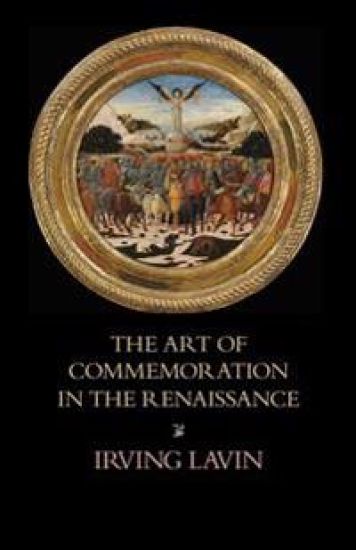

In 2004, Irving Lavin gave the six lectures that make up this book. They were delivered at the National Gallery of Art in Washington, DC, as part of the Andrew W. Mellon Lectures in the Fine Arts, an annual series established in 1949, as Mellon himself said, "to bring to the people of the United States the results of the best contemporary thought and scholarship." Lavin's lectures as delivered, however, were only the first step in expressing his results. He continued to develop the texts over the next decade and a half."More than Meets the Eye" is a simple phrase hiding an unexpected wealth of meaning. English literature, ranging from Milton to Galsworthy, provides parallels to the modern turn of phrase. It became a popular piece of jargon in the development of American advertising, and by the 1930s it headed illustrated ads that flooded the market with pictures meant to show the qualities of the merchandise consumers were being encouraged to buy. It even had its antithesis: "What you see is what you get," with an acronym "wysiwyg," still in use at the beginning of the twenty-first century, mainly to describe the page-like interface - hiding a myriad of computer technology - of Macintosh and other computer systems.This book's subtitle, "Irony, Paradox, and Metaphor in the History of Art," contains terms associated with rhetoric, oratory, and literature. Such terms ready the reader to meet ideas that lie beyond, under, over, and around the works to be considered. Lavin thus uncovers - within the artist's intellectual and emotional tool box - meanings not usually associated with static and stable visual images, namely "figures of speech" set forth in visual form. The aim of this book is to unveil this inner life, the mysterious "more" offered by the visual artist, the very "results" Mr. Mellon requested. Marilyn Aronberg Lavin has now assembled, edited, and updated these lectures, their notes and bibliography to present a comprehensive collection of richly illustrated essays. This follows upon her previous edition of Irving Lavin's Slade Lectures at Oxford, published by Italica Press in 2020 as The Art of Commemoration in the Renaissance.352 pages, preface, notes, bibliography, index.302 black-and-white and color figures.

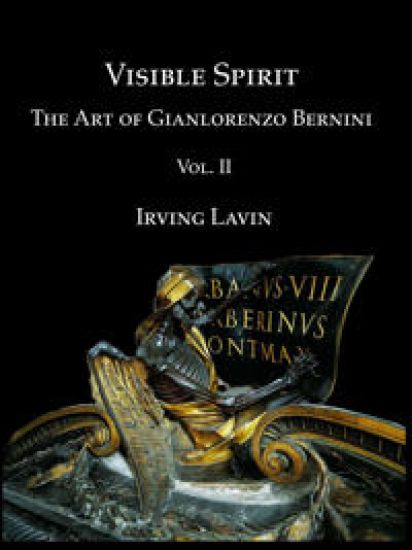
As early as the 1950s, Professor Irving Lavin was recognized as a major voice in American art history. His sustained production of seminal scholarly contributions have left their mark on an astonishingly wide range of -subjects and fields. Bringing these far-reaching publications together will not only provide a valuable resource to scholars and -students, but will also underscore fundamental themes in the history of art - historicism, the art of commemoration, the relationship between style and meaning, the -intelligence of artists - themes that define the role of the visual arts in human communication. Irving Lavin is best known for his array of fundamental publications on the Baroque artist Gian Lorenzo Bernini (1598-1680). These include new discoveries and studies on the master's prodigious childhood, his architecture and -portraiture, his invention of caricature, his depictions of religious faith and political leadership, his work in the -theatre, his attitude toward death and the role of the artist in the creation of a modern sense of social responsibility. All of Professor Lavin's papers on Bernini are here brought together in three volumes. The studies have been reset and in many cases up-dated, and there is a comprehensive index.
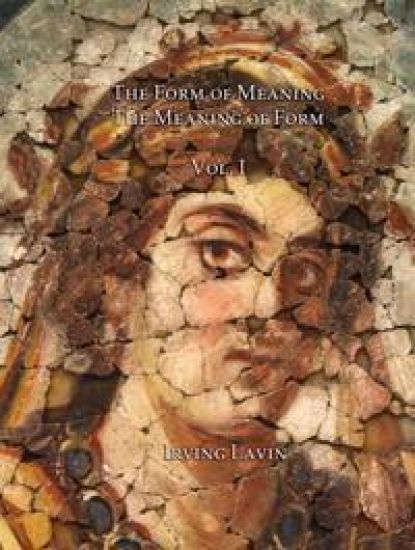
This work in two volumes brings together all of Irving Lavin's studies aside from those on Gian Lorenzo Bernini. They range from studies of the art and architecture of Late Antiquity to twentieth-century painting in New York. They are divided here by date, and include seven studies on the art of Antiquity and the Middle Ages, nine on the art of the Renaissance, eight on further topics in sixteenth-century art, seven on the Baroque, and six on Modern Art. There are three studies on the history of theatre and stage design, and twelve papers on the history of art in general, including obituaries of a number of influential art historians. Lavin's prize-winning study of Late Antique architecture and pioneering work on North African floor mosaics are included here. His interest in the Italian Renaissance appears in studies on the iconography of the myth of Cephalus and Procris, and the relationship between form and content in works by Donatello, Michelangelo, Pontormo, and Giovanni Bologna. The twentieth century is represented by essays on the printmaking of Picasso and the painting of Jackson Pollock.
As early as the 1950s, Professor Irving Lavin was recognized as a major voice in American art history. His sustained production of seminal scholarly contributions have left their mark on an astonishingly wide range of -subjects and fields. Bringing these far-reaching publications together will not only provide a valuable resource to scholars and -students, but will also underscore fundamental themes in the history of art - historicism, the art of commemoration, the relationship between style and meaning, the -intelligence of artists - themes that define the role of the visual arts in human communication. Irving Lavin is best known for his array of fundamental publications on the Baroque artist Gian Lorenzo Bernini (1598-1680). These include new discoveries and studies on the master's prodigious childhood, his architecture and -portraiture, his invention of caricature, his depictions of religious faith and political leadership, his work in the -theatre, his attitude toward death and the role of the artist in the creation of a modern sense of social responsibility. All of Professor Lavin's papers on Bernini are here brought together in three volumes. The studies have been reset and in many cases up-dated, and there is a comprehensive index.
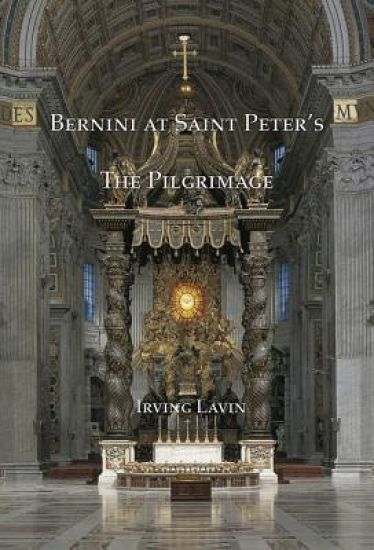
Bernini at Saint Peter's may be a unique case in history: a single artist in change of a grandiose monument in a continuous state of creativity under constantly changing patrons and a variety of projects, for nearly six decades. This book argues that a continuous thread of thought may be discerned underlying and connecting the vicissitudes of this spectacular display. From first to last, Gianlorenzo Bernini conceived of Saint Peter's as a pilgrimage church, a kind of pilgrimage of human life, his own and of the believers who visited the basilica to worship and give testimony. Irving Lavin is professor emeritus in the School of Historical Studies at the Institute for Advanced Study in Princeton. He is one of the most distinguished and honoured art historians in the United States. Professor Lavin is best known for his series of fundamental publications on the Baroque artist Gianlorenzo Bernini (1598-1680). These include new discoveries and studies on the master's prodigious early life, his architecture and portraiture, his invention of caricature, his depictions of religious faith and political leadership, his work in the theatre, his attitude towards death and the role of the artist in the creation of a modem sense of social responsibility.

This work in two volumes brings together all of Irving Lavin's studies aside from those on Gian Lorenzo Bernini. They range from studies of the art and architecture of Late Antiquity to twentieth-century painting in New York. They are divided here by date, and include seven studies on the art of Antiquity and the Middle Ages, nine on the art of the Renaissance, eight on further topics in sixteenth-century art, seven on the Baroque, and six on Modern Art. There are three studies on the history of theatre and stage design, and twelve papers on the history of art in general, including obituaries of a number of influential art historians. Lavin's prize-winning study of Late Antique architecture and pioneering work on North African floor mosaics are included here. His interest in the Italian Renaissance appears in studies on the iconography of the myth of Cephalus and Procris, and the relationship between form and content in works by Donatello, Michelangelo, Pontormo, and Giovanni Bologna. The twentieth century is represented by essays on the printmaking of Picasso and the painting of Jackson Pollock.

As early as the 1950s, Professor Irving Lavin was recognized as a major voice in American art history. His sustained production of seminal scholarly contributions have left their mark on an astonishingly wide range of -subjects and fields. Bringing these far-reaching publications together will not only provide a valuable resource to scholars and -students, but will also underscore fundamental themes in the history of art - historicism, the art of commemoration, the relationship between style and meaning, the -intelligence of artists - themes that define the role of the visual arts in human communication. Irving Lavin is best known for his array of fundamental publications on the Baroque artist Gian Lorenzo Bernini (1598-1680). These include new discoveries and studies on the master's prodigious childhood, his architecture and -portraiture, his invention of caricature, his depictions of religious faith and political leadership, his work in the -theatre, his attitude toward death and the role of the artist in the creation of a modern sense of social responsibility. All of Professor Lavin's papers on Bernini are here brought together in three volumes. The studies have been reset and in many cases up-dated, and there is a comprehensive index.

As early as the 1950s, Professor Irving Lavin was recognized as a major voice in American art history. His sustained production of seminal scholarly contributions have left their mark on an astonishingly wide range of -subjects and fields. Bringing these far-reaching publications together will not only provide a valuable resource to scholars and -students, but will also underscore fundamental themes in the history of art - historicism, the art of commemoration, the relationship between style and meaning, the -intelligence of artists - themes that define the role of the visual arts in human communication. Irving Lavin is best known for his array of fundamental publications on the Baroque artist Gian Lorenzo Bernini (1598-1680). These include new discoveries and studies on the master's prodigious childhood, his architecture and -portraiture, his invention of caricature, his depictions of religious faith and political leadership, his work in the -theatre, his attitude toward death and the role of the artist in the creation of a modern sense of social responsibility. All of Professor Lavin's papers on Bernini are here brought together in three volumes. The studies have been reset and in many cases up-dated, and there is a comprehensive index.

Three essays explore three great masterworks of European art that visualize the relationship between spiritual and physical love expressed passionately and graphically in the biblical Song of Songs. Marilyn Aronberg Lavin writes on Cimabue's vast fresco cycle of the Virgin in the apse of San Francesco in Assisi, at the threshold of the Renaissance, where the Franciscan belief in the bodily Assumption is couched in terms of the Old Testament love poem. Irving Lavin demonstrates how the invocation of love in the Song of Songs molded the form of Michelangelo's Medici Madonna as well as his concept for the entire design and meaning of the Medici mortuary chapel in San Lorenzo, Florence. Writing together, the Lavins reveal the generative power of biblical fulfillment in Rembrandt's famous portrayal of a loving couple, called The Jewish Bride.Marilyn Aronberg Lavin is known for her fundamental work on the history of mural decoration in the churches of Italy, and is the recipient of the coveted Morey Award for Distinguished Scholarship from the College Art Association. Irving Lavin, Professor in the School of Historical Studies, Institute of Advanced Study, Princeton, NJ, is best known for his work on the Italian Baroque sculpture Gianlorenzo Bernini, but his publications range over a wide span of Western art, from Late Antiquity to Jackson Pollock.
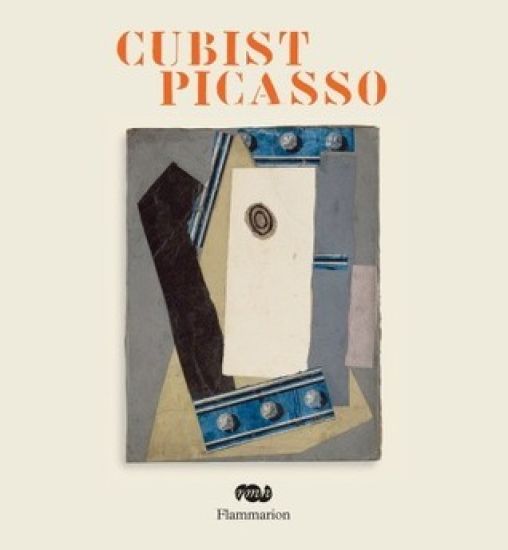
Cubist Picasso
Anne Baldassari; Pierre Daix; Jean-Claude Lebensztejn; Irving Lavin; Leo Steinberg; Pepe Karmel; Paule Mazouet; Jeanne-Yvette Sudour
Flammarion
2007
sidottu
Picasso's "Les Demoiselles dAvignon" (Museum of Modern Art, New York) dubbed by Pierre Daix as the first painting in modern art represents a milestone in the history of art. Picasso's radical break with tradition was to be a decisive influence on modern visual art. Only after this painting did Picasso, together with Braque, feel able to launch into the Cubist adventure which literally splintered the visual realm; it was to change the face of painting forever by creating a new visual language and an original perspective on the world.
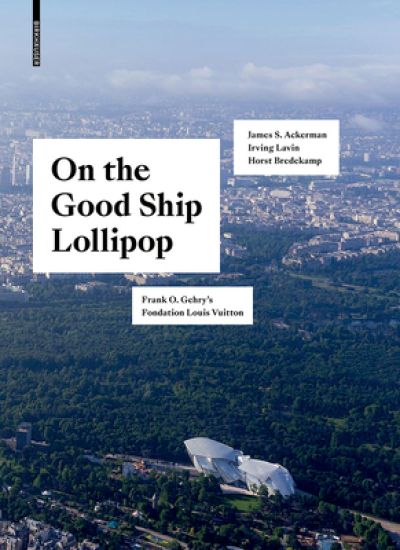
The Fondation Louis Vuitton by Frank O. Gehry rises from the Bois de Boulogne as a new landmark in the Parisian skyline. Gehry’s dynamic architecture is both glittering and multifaceted: is it a sailing vessel, an iceberg, or a sea monster? It fascinates with its wealth of references and, at the same time, escapes any clear-cut definition. Three outstanding representatives of different generations of art history, James S. Ackerman (†), Irving Lavin, and Horst Bredekamp have together paid a visit to the Fondation Louis Vuitton. They explore the building in three richly illustrated essays that try to fathom the floating architecture of the "magician" Gehry in the context of both art and architectural history.