Kirjojen hintavertailu. Mukana 11 342 296 kirjaa ja 12 kauppaa.

Kirjahaku

Etsi kirjoja tekijän nimen, kirjan nimen tai ISBN:n perusteella.

8 kirjaa tekijältä Isabela Mares

The Politics of Social Risk

The Politics of Social Risk

Isabela Mares

Cambridge University Press
2003
pokkari
The book provides a systematic evaluation of the role played by business in the development of the modern welfare state. When and why have employers supported the development of institutions of social insurance that provide benefits to workers for various employment-related risks? What factors explain the variation in the social policy preferences of employers? What is the relative importance of business and labor-based organization in the negotiation of a new social policy? This book studies these critical questions, by examining the role played by German and French producers in eight social policy reforms spanning nearly a century of social policy development. The analysis demonstrates that major social policies were adopted by cross-class alliances comprising labor-based organizations and key sectors of the business community.
Taxation, Wage Bargaining, and Unemployment

Taxation, Wage Bargaining, and Unemployment

Isabela Mares

Cambridge University Press
2006
pokkari
Why were European economies able to pursue the simultaneous commitment to full employment and welfare state expansion during the first decades of the postwar period and why did this virtuous relationship break down during recent decades? This book provides an answer to this question, by highlighting the critical importance of a political exchange between unions and governments, premised on wage moderation in exchange for the expansion of social services and transfers. The strategies pursued by these actors in these political exchanges are influenced by existing wage bargaining institutions, the character of monetary policy and by the level and composition of social policy transfers. The book demonstrates that the gradual growth in the fiscal burden has undermined the effectiveness of this political exchange, lowering the ability of unions' wage policies to affect employment outcomes.
Taxation, Wage Bargaining, and Unemployment

Taxation, Wage Bargaining, and Unemployment

Isabela Mares

Cambridge University Press
2006
sidottu
Why were European economies able to pursue the simultaneous commitment to full employment and welfare state expansion during the first decades of the postwar period and why did this virtuous relationship break down during recent decades? This book provides an answer to this question, by highlighting the critical importance of a political exchange between unions and governments, premised on wage moderation in exchange for the expansion of social services and transfers. The strategies pursued by these actors in these political exchanges are influenced by existing wage bargaining institutions, the character of monetary policy and by the level and composition of social policy transfers. The book demonstrates that the gradual growth in the fiscal burden has undermined the effectiveness of this political exchange, lowering the ability of unions' wage policies to affect employment outcomes.
Protecting the Ballot

Protecting the Ballot

Isabela Mares

PRINCETON UNIVERSITY PRESS
2022
sidottu
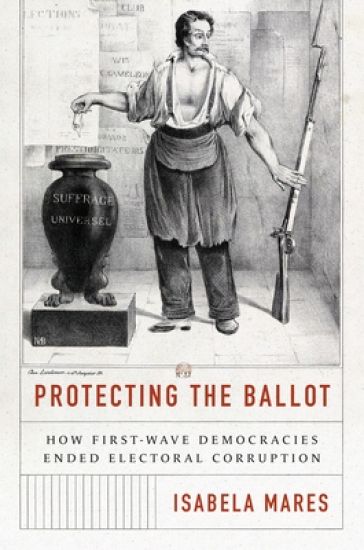
How reforms limiting electoral misconduct completed the process of democratizationBetween 1850 and 1918, many first-wave democracies in Europe adopted electoral reforms that reduced the incidence of electoral malfeasance. Drawing on analysis of parliamentary deliberations and roll-call votes in France, Germany, Belgium, and the United Kingdom, Protecting the Ballot explores how these electoral changes came about.Reforms limiting electoral malfeasance came in a variety of forms. Some reforms imposed harsher punishments for bribing or the politicization of state resources during campaigns. Other changes improved electoral secrecy, providing better protection of voters’ autonomy. By mandating the presence of candidate representatives supervising electoral operations, reforms also reduced the incidence of electoral fraud. Isabela Mares documents how elite splits facilitated the formation of parliamentary majorities in support of electoral reforms. The political composition of these majorities varied across countries and across issue area, depending on the distribution of political resources and the economic and electoral costs incurred by politicians with opportunities to engage in malfeasance. Unpacking the electoral determinants of the demand for reforms, Mares offers an alternative to theories of democratization that emphasize economic considerations alone.By studying the successful adoption of reforms limiting electoral irregularities in first-wave democratic transitions, Protecting the Ballot sheds light on the opportunities and obstacles for ending electoral wrongdoing in recent democracies.
Protecting the Ballot

Protecting the Ballot

Isabela Mares

PRINCETON UNIVERSITY PRESS
2022
pokkari
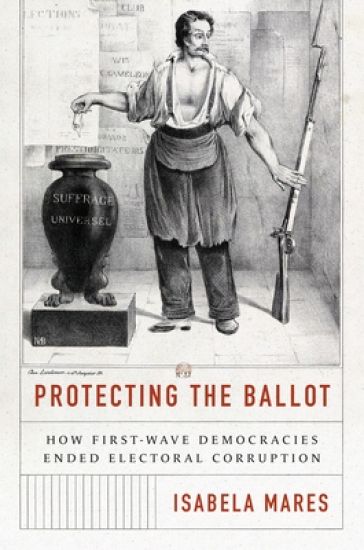
How reforms limiting electoral misconduct completed the process of democratizationBetween 1850 and 1918, many first-wave democracies in Europe adopted electoral reforms that reduced the incidence of electoral malfeasance. Drawing on analysis of parliamentary deliberations and roll-call votes in France, Germany, Belgium, and the United Kingdom, Protecting the Ballot explores how these electoral changes came about.Reforms limiting electoral malfeasance came in a variety of forms. Some reforms imposed harsher punishments for bribing or the politicization of state resources during campaigns. Other changes improved electoral secrecy, providing better protection of voters’ autonomy. By mandating the presence of candidate representatives supervising electoral operations, reforms also reduced the incidence of electoral fraud. Isabela Mares documents how elite splits facilitated the formation of parliamentary majorities in support of electoral reforms. The political composition of these majorities varied across countries and across issue area, depending on the distribution of political resources and the economic and electoral costs incurred by politicians with opportunities to engage in malfeasance. Unpacking the electoral determinants of the demand for reforms, Mares offers an alternative to theories of democratization that emphasize economic considerations alone.By studying the successful adoption of reforms limiting electoral irregularities in first-wave democratic transitions, Protecting the Ballot sheds light on the opportunities and obstacles for ending electoral wrongdoing in recent democracies.
From Open Secrets to Secret Voting

From Open Secrets to Secret Voting

Isabela Mares

Cambridge University Press
2015
sidottu
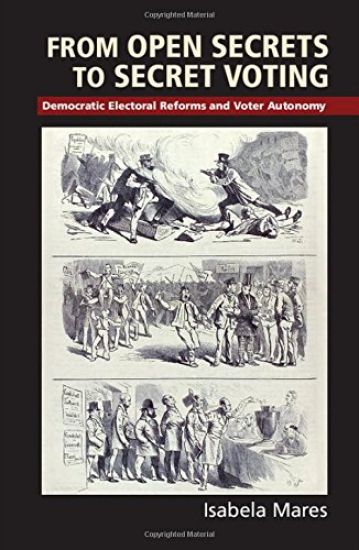
The expansion of suffrage and the introduction of elections are momentous political changes that represent only the first steps in the process of democratization. In the absence of institutions that protect the electoral autonomy of voters against a range of actors who seek to influence voting decisions, political rights can be just hollow promises. This book examines the adoption of electoral reforms that protected the autonomy of voters during elections and sought to minimize undue electoral influences over decisions made at the ballot box. Empirically, it focuses on the adoption of reforms protecting electoral secrecy in Imperial Germany during the period between 1870 and 1912. Empirically, the book provides a micro-historical analysis of the democratization of electoral practices, by showing how changes in district level economic and political conditions contributed to the formation of an encompassing political coalition supporting the adoption of electoral reforms.
From Open Secrets to Secret Voting

From Open Secrets to Secret Voting

Isabela Mares

Cambridge University Press
2015
pokkari
The expansion of suffrage and the introduction of elections are momentous political changes that represent only the first steps in the process of democratization. In the absence of institutions that protect the electoral autonomy of voters against a range of actors who seek to influence voting decisions, political rights can be just hollow promises. This book examines the adoption of electoral reforms that protected the autonomy of voters during elections and sought to minimize undue electoral influences over decisions made at the ballot box. Empirically, it focuses on the adoption of reforms protecting electoral secrecy in Imperial Germany during the period between 1870 and 1912. Empirically, the book provides a micro-historical analysis of the democratization of electoral practices, by showing how changes in district level economic and political conditions contributed to the formation of an encompassing political coalition supporting the adoption of electoral reforms.