Kirjojen hintavertailu. Mukana 11 342 296 kirjaa ja 12 kauppaa.

Kirjahaku

Etsi kirjoja tekijän nimen, kirjan nimen tai ISBN:n perusteella.

4 kirjaa tekijältä Isabelle Duyvesteyn

Clausewitz and African War

Clausewitz and African War

Isabelle Duyvesteyn

Routledge
2012
nidottu
Oil, diamonds, timber, food aid - just some of the suggestions put forward as explanations for African wars in the past decade. Another set of suggestions focuses on ethnic and clan considerations. These economic and ethnic or clan explanations contend that wars are specifically not fought by states for political interests with mainly conventional military means, as originally suggested by Carl von Clausewitz in the 19th century. This study shows how alternative social organizations to the state can be viewed as political actors using war as a political instrument.

Clausewitz and African War

Clausewitz and African War

Isabelle Duyvesteyn

Routledge
2004
sidottu
Oil, diamonds, timber, food aid - just some of the suggestions put forward as explanations for African wars in the past decade. Another set of suggestions focuses on ethnic and clan considerations. These economic and ethnic or clan explanations contend that wars are specifically not fought by states for political interests with mainly conventional military means, as originally suggested by Carl von Clausewitz in the 19th century. This study shows how alternative social organizations to the state can be viewed as political actors using war as a political instrument.
Rebels and Conflict Escalation

Rebels and Conflict Escalation

Isabelle Duyvesteyn

Cambridge University Press
2024
pokkari
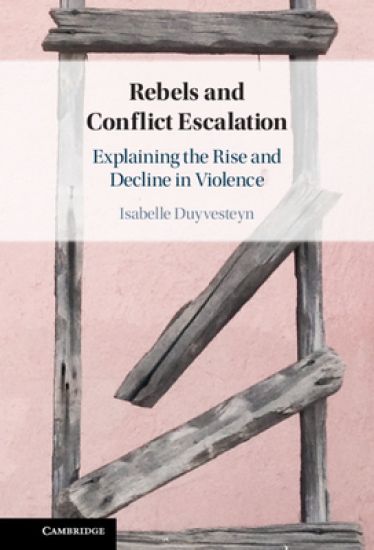
Violence during war often involves upswings and downturns that have, to date, been insufficiently explained. Why does violence at a particular point in time increase in intensity and why do actors in war decrease the level of violence at other points? Duyvesteyn discusses the potential explanatory variables for escalation and de-escalation in conflicts involving states and non-state actors, such as terrorists and insurgents. Using theoretical arguments and examples from modern history, this book presents the most notable causal mechanisms or shifts in the shape of propositions that could explain the rise and decline of non-state actor violence after the start and before the termination of conflict. This study critically reflects on the conceptualisation of escalation as linear, rational and wilful, and instead presents an image of rebel escalation as accidental, messy and within a very limited range of control.
Rebels and Conflict Escalation

Rebels and Conflict Escalation

Isabelle Duyvesteyn

Cambridge University Press
2021
sidottu
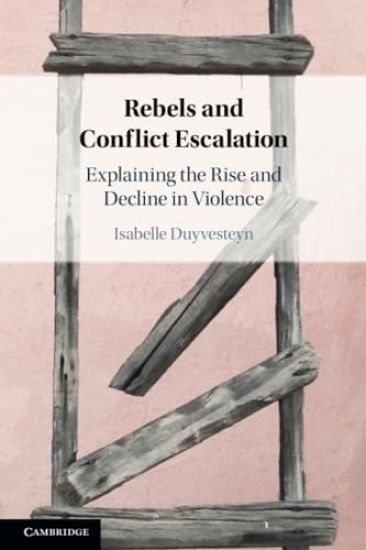
Violence during war often involves upswings and downturns that have, to date, been insufficiently explained. Why does violence at a particular point in time increase in intensity and why do actors in war decrease the level of violence at other points? Duyvesteyn discusses the potential explanatory variables for escalation and de-escalation in conflicts involving states and non-state actors, such as terrorists and insurgents. Using theoretical arguments and examples from modern history, this book presents the most notable causal mechanisms or shifts in the shape of propositions that could explain the rise and decline of non-state actor violence after the start and before the termination of conflict. This study critically reflects on the conceptualisation of escalation as linear, rational and wilful, and instead presents an image of rebel escalation as accidental, messy and within a very limited range of control.