Kirjojen hintavertailu. Mukana 12 016 292 kirjaa ja 12 kauppaa.

Kirjahaku

Etsi kirjoja tekijän nimen, kirjan nimen tai ISBN:n perusteella.

6 kirjaa tekijältä Ivor Timmis

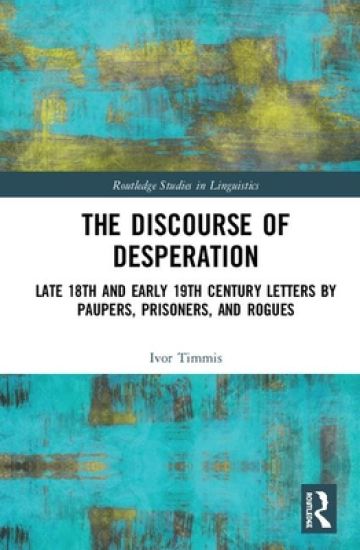
The Discourse of Desperation

The Discourse of Desperation

Ivor Timmis

Routledge
2020
sidottu
This book discusses how the poor and desperate in the late eighteenth and early nineteenth centuries mobilised their linguistic resources in pursuit of vital pragmatic goals, drawing on three corpora of letters written by the poor. The main question addressed by the book is, ‘How were the poor, often armed only with low levels of education and literacy, able to meet the challenge of writing letters vital to their interests, even to their survival?’ Timmis argues that the answer lies in the highly strategic approach adopted by the writers, particularly evident in the way formulaic language is used in the pauper and prisoner letters. Formulaic language supports the writers in producing intelligible letters in what they consider an appropriate tone but also allows them to exploit popular cultural motifs of the time. Data is drawn from three sources: pauper letters by the poor applying for parish relief, from around 1795 to 1834; prisoner letters by women awaiting deportation to Australia for defrauding the Bank of England in the early nineteenth century; and anonymous letters by the poor demanding money with menaces. Comparison with the Mayhew Corpus of interviews with the London poor in the 1850s reinforces the idea that part of the writers’ approach was to orient away from the vernacular towards a style they perceived to be more elevated. Showing how resourceful people can be in communicating their needs in crises and in turn surfacing new insights into literacy and demotic language awareness, this book will be of interest to students and scholars in corpus linguistics and social history.
The Discourse of Desperation

The Discourse of Desperation

Ivor Timmis

TAYLOR FRANCIS LTD
2022
nidottu
This book discusses how the poor and desperate in the late eighteenth and early nineteenth centuries mobilised their linguistic resources in pursuit of vital pragmatic goals, drawing on three corpora of letters written by the poor. The main question addressed by the book is, ‘How were the poor, often armed only with low levels of education and literacy, able to meet the challenge of writing letters vital to their interests, even to their survival?’ Timmis argues that the answer lies in the highly strategic approach adopted by the writers, particularly evident in the way formulaic language is used in the pauper and prisoner letters. Formulaic language supports the writers in producing intelligible letters in what they consider an appropriate tone but also allows them to exploit popular cultural motifs of the time. Data is drawn from three sources: pauper letters by the poor applying for parish relief, from around 1795 to 1834; prisoner letters by women awaiting deportation to Australia for defrauding the Bank of England in the early nineteenth century; and anonymous letters by the poor demanding money with menaces. Comparison with the Mayhew Corpus of interviews with the London poor in the 1850s reinforces the idea that part of the writers’ approach was to orient away from the vernacular towards a style they perceived to be more elevated. Showing how resourceful people can be in communicating their needs in crises and in turn surfacing new insights into literacy and demotic language awareness, this book will be of interest to students and scholars in corpus linguistics and social history.
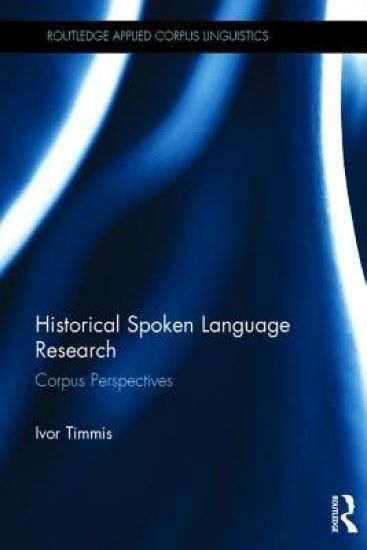
Historical Spoken Language Research
Historical Research on Spoken Language: Corpus Perspectives uses historical sources to discuss continuity and change in spoken language. Based on two corpora compiled using data from sociological and anthropological studies of Victorian London and 1930s Bolton, the author shows how historical spoken corpora can illuminate the nature of spoken language as well as the attitudes, values and behaviour of the specific community represented in a corpus. This book: demonstrates how spoken language can be examined using material collected before the advent of sophisticated recording equipment and large-scale computerised corpora;shows how other written sources such as diaries, letters and existing historical corpora can be used to analyse informal language use as far back as the fifteenth century;provides insight into the longevity and resilience of many spoken language features which are often regarded as vernacular or non-standard;comes with a companion website which gives full access to the Bolton Worktown Corpus. Historical Research on Spoken Language is key reading for researchers and students working in relevant areas.
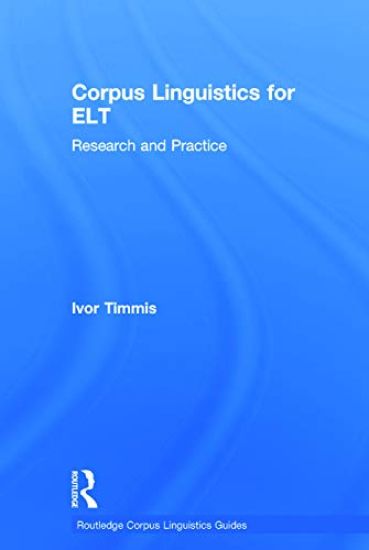
Corpus Linguistics for ELT

Corpus Linguistics for ELT

Ivor Timmis

Routledge
2015
sidottu
Corpus Linguistics for ELT provides a practical guide to undertaking ELT-related corpus research. Aimed at researchers, advanced undergraduate and postgraduate students of ELT and TESOL, and English language teachers, this volume: covers corpus research in the main areas of language study relevant to ELT: grammar, lexis, ESP, spoken grammar and discourse; presents a review of relevant corpus research in these areas, and discusses the implications of this research for ELT; suggests potential ELT-focused corpus research projects, and equips the reader with all the required tools and techniques to carry them out; deals with the growing area of learner corpora and direct classroom application of corpus material.Corpus Linguistics for ELT empowers and inspires readers to carry out their own ELT corpus research, and will allow them in turn to make a significant contribution to corpus-informed ELT pedagogy.
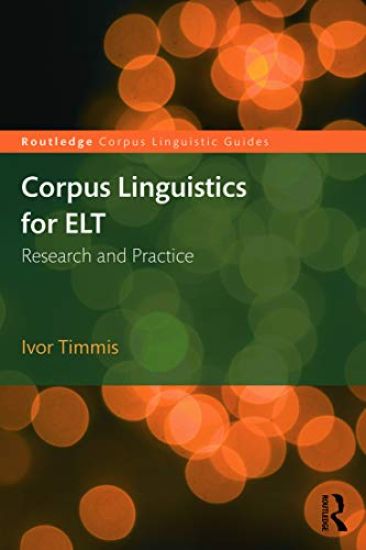
Corpus Linguistics for ELT

Corpus Linguistics for ELT

Ivor Timmis

Routledge
2015
nidottu
Corpus Linguistics for ELT provides a practical guide to undertaking ELT-related corpus research. Aimed at researchers, advanced undergraduate and postgraduate students of ELT and TESOL, and English language teachers, this volume: covers corpus research in the main areas of language study relevant to ELT: grammar, lexis, ESP, spoken grammar and discourse; presents a review of relevant corpus research in these areas, and discusses the implications of this research for ELT; suggests potential ELT-focused corpus research projects, and equips the reader with all the required tools and techniques to carry them out; deals with the growing area of learner corpora and direct classroom application of corpus material.Corpus Linguistics for ELT empowers and inspires readers to carry out their own ELT corpus research, and will allow them in turn to make a significant contribution to corpus-informed ELT pedagogy.
Historical Spoken Language Research
Historical Research on Spoken Language: Corpus Perspectives uses historical sources to discuss continuity and change in spoken language. Based on two corpora compiled using data from sociological and anthropological studies of Victorian London and 1930s Bolton, the author shows how historical spoken corpora can illuminate the nature of spoken language as well as the attitudes, values and behaviour of the specific community represented in a corpus. This book: demonstrates how spoken language can be examined using material collected before the advent of sophisticated recording equipment and large-scale computerised corpora;shows how other written sources such as diaries, letters and existing historical corpora can be used to analyse informal language use as far back as the fifteenth century;provides insight into the longevity and resilience of many spoken language features which are often regarded as vernacular or non-standard;comes with a companion website which gives full access to the Bolton Worktown Corpus.Historical Research on Spoken Language is key reading for researchers and students working in relevant areas.