Kirjojen hintavertailu. Mukana 11 627 220 kirjaa ja 12 kauppaa.

Kirjahaku

Etsi kirjoja tekijän nimen, kirjan nimen tai ISBN:n perusteella.

4 kirjaa tekijältä J P. Telotte

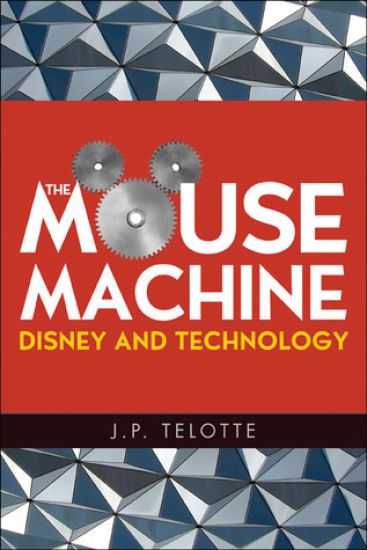
The Mouse Machine

The Mouse Machine

J P. Telotte

University of Illinois Press
2008
sidottu
Throughout Disney's phenomenally successful run in the entertainment industry, the company has negotiated the use of cutting-edge film and media technologies that, J. P. Telotte argues, have proven fundamental to the company's identity. Disney's technological developments include the use of stereophonic surround sound for Fantasia, experimentation with wide-screen technology, inaugural adoption of three-strip Technicolor film, and early efforts at fostering depth in the animated image. Telotte also chronicles Disney's partnership with television, development of the theme park, and depiction of technology in science-fiction narratives. An in-depth discussion of Disney's shift into digital filmmaking with its Pixar partnership and an emphasis on digital special effects in live-action films, such as the Pirates of the Caribbean series, also highlight the studio's historical investment in technology. By exploring the technological context for Disney creations throughout its history, The Mouse Machine illuminates Disney's extraordinary growth into one of the largest and most influential media and entertainment companies in the world. Hardbook is unjacketed.
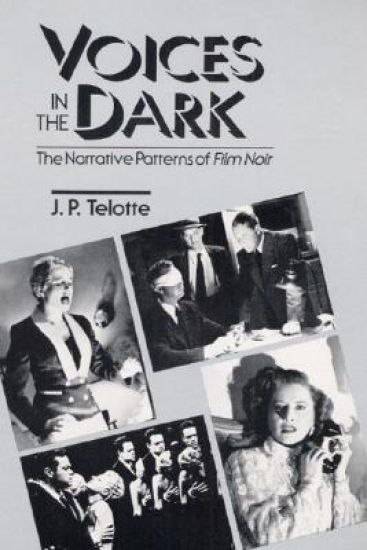
Voices in the Dark

Voices in the Dark

J P. Telotte

University of Illinois Press
1988
nidottu
The American film noir, the popular genre that focused on urban crime and corruption in the 1940s and 1950s, exhibits the greatest amount of narrative experimentation in the modern American cinema. Spurred by postwar disillusionment, cold war anxieties, and changing social circumstances, these films revealed the dark side of American life and , in doing so, created unique narrative structures in order to speak of that darkness. J.P. Telotte's in-depth discussion of classic films noir--including The Lady from Shanghai, The Lady in the Lake, Dark Passage, Double Indemnity, Kiss Me Deadly, and Murder, My Sweet--draws on the work of Michel Foucault to examine four dominant noir narrative strategies.
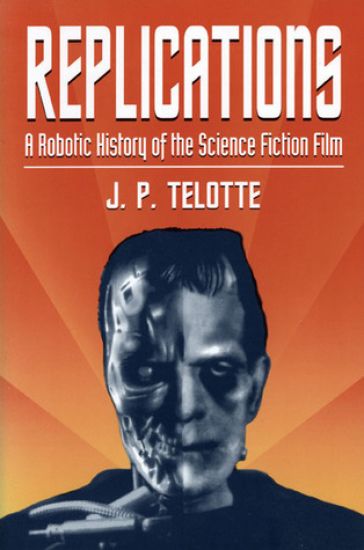
Replications

Replications

J P. Telotte

University of Illinois Press
1995
nidottu
A haunting fascination fuels our interest in the robot, the android, the cyborg, the replicant. Born in science fiction literature, the artificial human has come into its own in films, lurching to life, holding a mirror to humanity's soul. Beginning with a pre-history of the filmic robot, J. P. Telotte traces its development through early sci-fi landmarks such as Metropolis (1926), the alien films of the 1950s (including Forbidden Planet), and recent explorations of the artificial human in Blade Runner, Robocop, and the Terminator films.Replications also considers the tension between the technological wonders that science fiction depicts and the human values it champions. Film-makers employ the latest developments in technology to fashion ever more realistic human doubles, and then use them to explore what it means to be human. Telotte shows us how the sci-fi genre has always addressed changing cultural attitudes toward technology, the body, gender roles, human intelligence, reality, and even film itself.
The Mouse Machine

The Mouse Machine

J P. Telotte

University of Illinois Press
2008
nidottu
Throughout Disney's phenomenally successful run in the entertainment industry, the company has negotiated the use of cutting-edge film and media technologies that, J. P. Telotte argues, have proven fundamental to the company's identity. Disney's technological developments include the use of stereophonic surround sound for Fantasia, experimentation with wide-screen technology, inaugural adoption of three-strip Technicolor film, and early efforts at fostering depth in the animated image. Telotte also chronicles Disney's partnership with television, development of the theme park, and depiction of technology in science-fiction narratives. An in-depth discussion of Disney's shift into digital filmmaking with its Pixar partnership and an emphasis on digital special effects in live-action films, such as the Pirates of the Caribbean series, also highlight the studio's historical investment in technology. By exploring the technological context for Disney creations throughout its history, The Mouse Machine illuminates Disney's extraordinary growth into one of the largest and most influential media and entertainment companies in the world. Hardbook is unjacketed.