Kirjojen hintavertailu. Mukana 11 627 220 kirjaa ja 12 kauppaa.

Kirjahaku

Etsi kirjoja tekijän nimen, kirjan nimen tai ISBN:n perusteella.

4 kirjaa tekijältä J. C. Davis

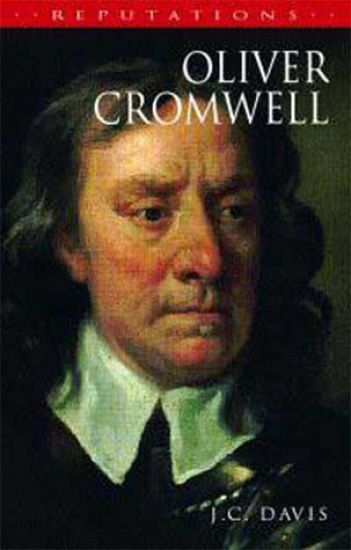
Oliver Cromwell

Oliver Cromwell

J. C. Davis

Hodder Arnold
2001
nidottu
This comprehensive new study provides an original and provocative approach to Cromwell's reputation and role in the English revolution. J. C. Davis's penetrating analysis reveals Cromwell's successes and failures and offers a fascinating assessment of his life and achievements.
Utopia and the Ideal Society

Utopia and the Ideal Society

J. C. Davis

Cambridge University Press
1983
pokkari
While great interest has been shown recently in the nature of utopian thought and its significance in western development, much of the discussion has been marked by imprecision and generality. This book opens with an attempt to give clarity, substance and precision to the definition of utopia by isolating its characteristics in contrast with those of other forms of ideal society. The value of these distinctions is shown in a detailed re-examination of the sixteenth-century European writers who developed the re-emergent form of utopia. As a whole, the book brings the discussion of utopian thought closer to the mainstream concerns of the history of political ideas, and provides a major study for all those working in the fields of sixteenth- and seventeenth-century political and social thought.
Fear, Myth and History

Fear, Myth and History

J. C. Davis

Cambridge University Press
2002
pokkari
Flourishing briefly in the aftermath of the English Revolution (1649–1650), the Ranters have been seen as the ultimate counter-cultural group or movement of seventeenth-century England. Their apparent rejection of sin, hell and all moral constraints, authorities and limitations imposed from above has drawn considerable attention to them as illustrative of an irreligious popular culture and the determination of the people to have a revolution of their own making. Acting out a plebeian permissiveness in denial of the Protestant ethic at the moment of its achievement of dominance, they have drawn the attention, in particular, of those seeking to record the history of a popular tradition rejecting the hegemony of bourgeois values. This book calls in question that framework. The author argues that there was no Ranter group or movement: that the Ranters did not exist. Rather, a myth of the Ranters was projected in a press sensation and was sustained by heresiographers and sectarian leaders. The projection of this myth in the early 1650s is explained in terms of fears aroused by a revolutionary crisis and the dilemma of authority within sectarianism. In this sense the work forms a case study in the projection of deviance consequent upon a ‘moral panic’. The elements out of which the mythic identity of the Ranter was composed are examined in detail, as is the projection of the myth.