

Kirjahaku
Etsi kirjoja tekijän nimen, kirjan nimen tai ISBN:n perusteella.
12 kirjaa tekijältä Jack Trammell

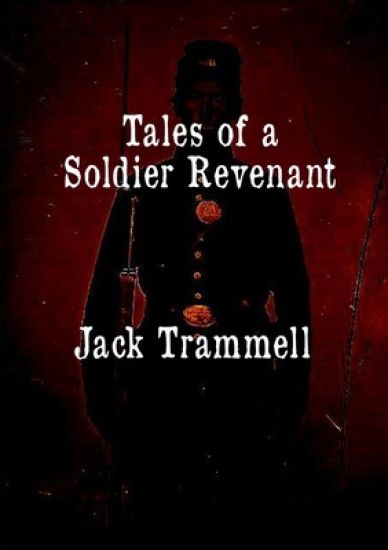
They are among us...Or so the legends say, and during the Civil War, vampires found easy companionship in both armies. These vignettes tell the story of one such strigoi, Malyon Regent, and his evolving friendship with a young man in his regiment who does not know his true identity. Based on actual historical documents and true events, these tales are truer than some would wish for you to know. Roam the night with the revenant at your own risk.
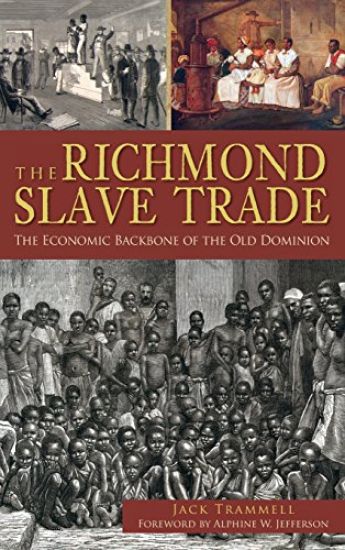
The Richmond Slave Trade: The Economic Backbone of the Old Dominion
Jack Trammell
History Press Library Editions
2012
sidottu
Richmond s 15th Street was known as Wall Street in antebellum times, and like its New York counterpart, it was a center of commerce. But the business done here was unspeakable and the scene heart wrenching. With over sixty-nine slave dealers and auction houses, the Wall Street area saw tens of millions of dollars and countless human lives change hands, fueling the southern economy. Local historian and author Jack Trammell traces the history of the city s slave trade, from the origins of African slavery in Virginia to its destruction at the end of the Civil War. Stories of seedy slave speculators and corrupt traders are placed alongside detailed accounts of the economic, political and cultural impact of a system representing the most immense, concentrated human suffering in our nation s history."

Down on the Chickahominy: The Life and Times of a Vanishing Virginia River
Jack Trammell
History Press Library Editions
2009
sidottu
For centuries, the "Chick" has blessed the Tidewater region of Virginia with life, even today in the face of deteriorating resources and dramatic environmental change. While an abundant ecosystem thrived in the water, a unique and culturally rich community that once dotted the Chick's riverbanks has dwindled near extinction. Author Jack Trammell spent the past three years on the river researching its incredible past and uncertain future. Drawing on old letters, photographs, and the still extant memories of lifelong watermen like Captains Bill Buck Jr. and Art Conway, he weaves a fascinating narrativeof this river community. Hop onboard and join the search for the record perch, the vanished villages, the proud Chickahominy Tribe, and the vestiges of the Civil War in this definitive and easy-to navigate history of a sacred Virginia tributary.
The Richmond Slave Trade: The Economic Backbone of the Old Dominion
Jack Trammell
History Press
2012
nidottu
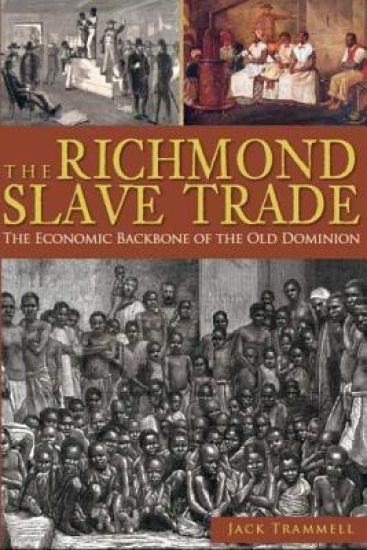
In many ways, the story of bondage in Virginia is the story of the state itself...Richmond's 15th Street was known as Wall Street in antebellum times, and like its New York counterpart, it was a center of commerce. But the business done here was unspeakable and the scene heart wrenching. With over sixty-nine slave dealers and auction houses, the Wall Street area saw tens of millions of dollars and countless human lives change hands, fueling the southern economy. Local historian and author Jack Trammell traces the history of the city's slave trade, from the origins of African slavery in Virginia to its destruction at the end of the Civil War. Stories of seedy slave speculators and corrupt traders are placed alongside detailed accounts of the economic, political and cultural impact of a system representing the most immense, concentrated human suffering in our nation's history.
Social history is only one kind of history. Still, it is exactly the type of history that disability demands to be told, especially due to the universality of the disability experience. Doris and Frieda Zames remind us that "handicapism" is the only "ism" we all will experience if we live long enough. Although disability will always arguably be about physical differences (of body, mind, intellect, personality, etc.), its universal nature means that it should logically be the king/queen of identity politics, while it has long been the pauper. This story helps explain why that was and is today, and what America's unique and sometimes unpleasant role in the story is.This text attempts not just to represent the American experience with disability but the American experience. The further we move away from 1990 and the passage of the ADA, the less that demarcation seems to be distinct and dichotomous, and the more America seems to be an abject case study of identity possibility in flux, placed squarely at the intersection of the rational and irrational, the qualitative and quantitative, the old and new, the individual and collective, and at the nexus of classic liberalism and neomodernism. In fact, the ADA was reauthorized in 2008, an indication of the constructivist nature of disability policy.This book is intended to be useful and informative, whether as a classroom textbook or as a conversation starter on the coffee table. It also uses the unique tools of the social historian to tell the story.
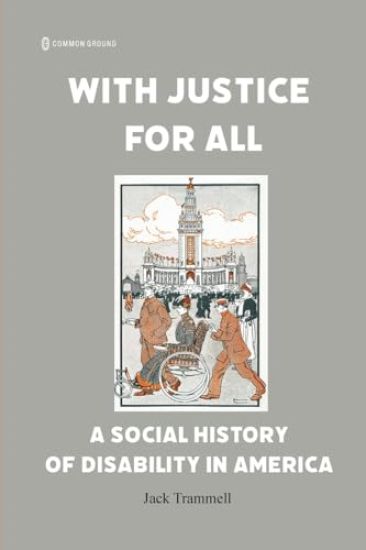
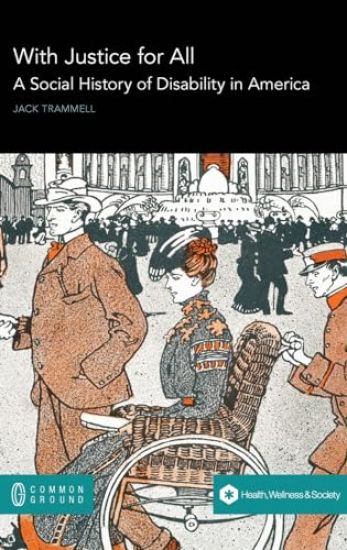
Social history is only one kind of history. Still, it is exactly the type of history that disability demands to be told, especially due to the universality of the disability experience. Doris and Frieda Zames remind us that "handicapism" is the only "ism" we all will experience if we live long enough. Although disability will always arguably be about physical differences (of body, mind, intellect, personality, etc.), its universal nature means that it should logically be the king/queen of identity politics, while it has long been the pauper. This story helps explain why that was and is today, and what America's unique and sometimes unpleasant role in the story is.This text attempts not just to represent the American experience with disability but the American experience. The further we move away from 1990 and the passage of the Americans with Disabilities Act (ADA), the less that demarcation seems to be distinct and dichotomous, and the more America seems to be an abject case study of identity possibility in flux, placed squarely at the intersection of the rational and irrational, the qualitative and quantitative, the old and new, the individual and collective, and at the nexus of classic liberalism and neomodernism. In fact, the ADA was reauthorized in 2008, an indication of the constructivist nature of disability policy.This book is intended to be useful and informative, whether as a classroom textbook or as a conversation starter on the coffee table. It also uses the unique tools of the social historian to tell the story.
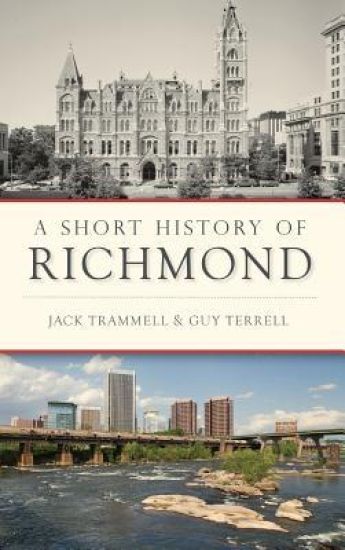
The seven hills at the James River fall line that Captain John Smith first witnessed in 1607 became the site of a pivotal American city. Richmond was a birthplace of the American Revolution. It became the permanent capital of Virginia and served as the capital of the Confederacy during the Civil War. In the early twentieth century, industry expanded in the city as companies like DuPont and Philip Morris built factories. Cultural institutions expanded, with Richmond's first radio station and movie theater opening in the 1920s, before the Great Depression hit the city hard. The city rose from financial struggle to a highly industrialized center for manufacturing and vital transportation hub. Join authors Jack Trammell and Guy Terrell as they narrate the rich history of the River City.


Are you feeling overwhelmed by complicated Wall Street terms and confusing financial concepts? You're not alone, and we're here to help Wouldn't it be great if investing were as easy as following a recipe? InCookbook Investing, authors Guy Terrell and Jack Trammell make the stock market friendly and easy to understand. If you're looking to save for retirement, a down payment, or grow your wealth, this book is perfect for you: - Simple Recipes: Enjoy step-by-step guides for picking and combining investments that fit your goals. - Key Ingredients: Discover the world of stocks and mutual funds, and how they create a well-balanced portfolio. - Helpful Cooking Tips: Get practical advice on managing risk and avoiding common mistakes. Don't let confusing terms keep you from reaching your financial dreams. With Cookbook Investing, you'll feel empowered and ready to take control of your financial future, one easy "recipe" at a time