Kirjojen hintavertailu. Mukana 11 717 486 kirjaa ja 12 kauppaa.

Kirjahaku

Etsi kirjoja tekijän nimen, kirjan nimen tai ISBN:n perusteella.

4 kirjaa tekijältä Jae Sundaram

WTO Law and Policy

WTO Law and Policy

Jae Sundaram

TAYLOR FRANCIS LTD
2022
sidottu
WTO Law and Policy presents an authoritative account of the emergence of the World Trade Organization (WTO) and the basic principles and institutional law of the WTO. It explores how political economy has shaped the WTO’s legal philosophy and policies, and provides insights into how international trade law at the WTO has developed.This textbook examines the legal obligations of the Member States of the WTO under the multilateral trade agreements, the legal remedies available under the rules-based dispute settlement system, and incorporates the most relevant case laws from the WTO’s jurisprudence. It outlines several key contemporary issues which the WTO faces as well as areas that need reforming. Each chapter covers a specific topic in relation to the framework and functionality of the WTO, with particular focus on the legal aspects of the multilateral trade order. The book is guided by the legal pronouncements of the Dispute Settlement Body (Panels and Appellate Body), and the commentaries on the interpretation of the provisions of the covered agreements.This book is ideal for all students studying international trade law, including those coming to international law, international trade law, and WTO law for the first time.
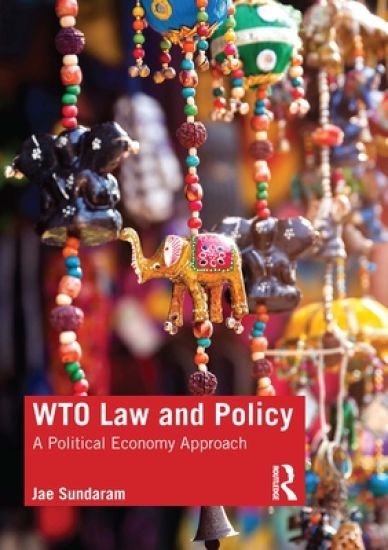
WTO Law and Policy

WTO Law and Policy

Jae Sundaram

TAYLOR FRANCIS LTD
2022
nidottu
WTO Law and Policy presents an authoritative account of the emergence of the World Trade Organization (WTO) and the basic principles and institutional law of the WTO. It explores how political economy has shaped the WTO’s legal philosophy and policies, and provides insights into how international trade law at the WTO has developed.This textbook examines the legal obligations of the Member States of the WTO under the multilateral trade agreements, the legal remedies available under the rules-based dispute settlement system, and incorporates the most relevant case laws from the WTO’s jurisprudence. It outlines several key contemporary issues which the WTO faces as well as areas that need reforming. Each chapter covers a specific topic in relation to the framework and functionality of the WTO, with particular focus on the legal aspects of the multilateral trade order. The book is guided by the legal pronouncements of the Dispute Settlement Body (Panels and Appellate Body), and the commentaries on the interpretation of the provisions of the covered agreements.This book is ideal for all students studying international trade law, including those coming to international law, international trade law, and WTO law for the first time.
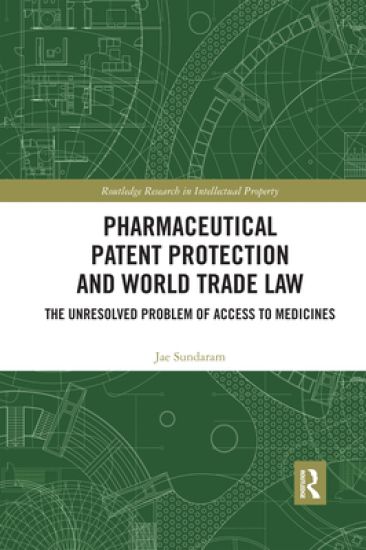
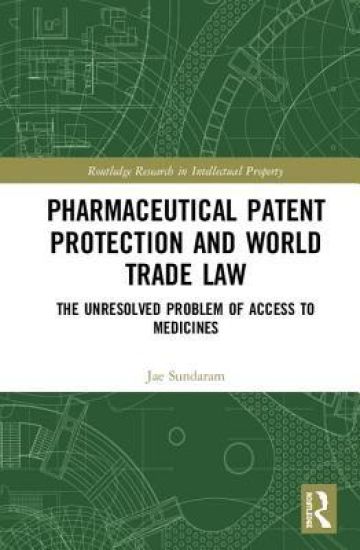
Pharmaceutical Patent Protection and World Trade Law
Patents, including pharmaceutical patents, enjoy extended protection for twenty years under the TRIPs Agreement. The Agreement has resulted in creating a two-tier system of the World Trade Organisation Member States, and its implementation has seen the price of pharmaceutical products skyrocket, putting essential medicines beyond the reach of the common man. The hardest hit populations come from the developing and least developed countries, which have either a weak healthcare system or no healthcare at all, where access to essential and affordable medicines is extremely difficult to achieve.Pharmaceutical Patent Protection and World Trade Law studies the problems faced by these countries in obtaining access to affordable medicines for their citizens in light of the TRIPS Agreement. It explores the opportunities that are still open for some developing countries to utilise the flexibilities available under the TRIPS Agreement in order to mitigate the damage caused by it. The book also examines the interrelationship between the world governing bodies, and the right to health contained in some of the developing country’s national constitutions.
Pharmaceutical Patent Protection and World Trade Law
Patents, including pharmaceutical patents, enjoy extended protection for twenty years under the TRIPs Agreement. The Agreement has resulted in creating a two-tier system of the World Trade Organisation Member States, and its implementation has seen the price of pharmaceutical products skyrocket, putting essential medicines beyond the reach of the common man. The hardest hit populations come from the developing and least developed countries, which have either a weak healthcare system or no healthcare at all, where access to essential and affordable medicines is extremely difficult to achieve.Pharmaceutical Patent Protection and World Trade Law studies the problems faced by these countries in obtaining access to affordable medicines for their citizens in light of the TRIPS Agreement. It explores the opportunities that are still open for some developing countries to utilise the flexibilities available under the TRIPS Agreement in order to mitigate the damage caused by it. The book also examines the interrelationship between the world governing bodies, and the right to health contained in some of the developing country’s national constitutions.