Kirjojen hintavertailu. Mukana 12 268 307 kirjaa ja 12 kauppaa.

Kirjahaku

Etsi kirjoja tekijän nimen, kirjan nimen tai ISBN:n perusteella.

16 kirjaa tekijältä Jake Johnson

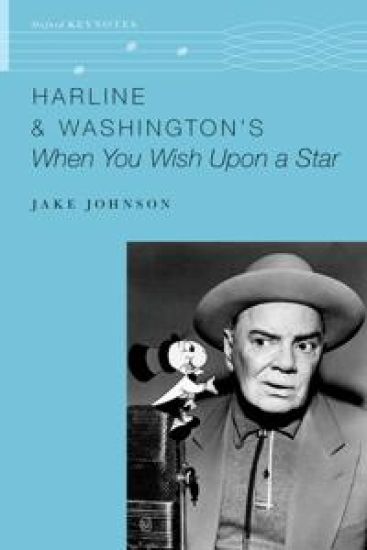
Harline & Washington's When You Wish Upon a Star

Harline & Washington's When You Wish Upon a Star

Jake Johnson

OXFORD UNIVERSITY PRESS INC
2026
sidottu
When Leigh Harline and Ned Washington penned "When You Wish Upon a Star" for Disney's 1940 film Pinocchio, the song came like a bolt out of the blue. Like Harold Arlen and Yip Harburg's "Over the Rainbow" from The Wizard of Oz one year earlier, "When You Wish Upon a Star" comes on the heels of the Great Depression and just shy of America's sudden jolt into a second global conflict. Both tunes reach outward and upward with their memorable octave leaps. Both have aged into two of the most beloved and iconic songs of our times. And both are closely associated with their original interpreters (Judy Garland and Cliff Edwards, respectively) whose tragic falls from grace make a poetic crease in the clean bill of health America gives itself again and again. But fate stepped in and "When You Wish Upon a Star" has since taken a peculiar and dynamic life of its own. The tune is everywhere. It is a corporate logo. It is part of a soundscape in America that harmonizes personal aspiration with the health of the marketplace. And that initial tear in Cliff Edwards's voice has now largely faded into the background. No longer a bolt, no more out of the blue, but here to stay. What is this song's secret? This book pulls focus to the song--its origins and original context in Pinocchio, the way it works, the work it's been made to do in the world, and the lives of those who orbited it over the last eight decades--in order to better understand how our ears attune to the possible and what "When You Wish Upon a Star" can teach us. This is an open access title available under the terms of a CC BY-NC-ND 4.0 International licence. It is free to read on the Oxford Academic platform and offered as a free PDF download from OUP and selected open access locations.
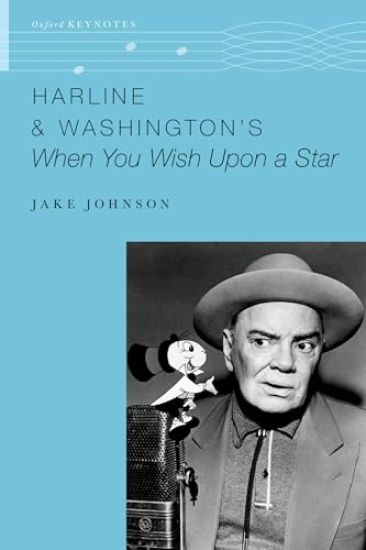
Harline & Washington's When You Wish Upon a Star

Harline & Washington's When You Wish Upon a Star

Jake Johnson

OXFORD UNIVERSITY PRESS INC
2026
nidottu
When Leigh Harline and Ned Washington penned "When You Wish Upon a Star" for Disney's 1940 film Pinocchio, the song came like a bolt out of the blue. Like Harold Arlen and Yip Harburg's "Over the Rainbow" from The Wizard of Oz one year earlier, "When You Wish Upon a Star" comes on the heels of the Great Depression and just shy of America's sudden jolt into a second global conflict. Both tunes reach outward and upward with their memorable octave leaps. Both have aged into two of the most beloved and iconic songs of our times. And both are closely associated with their original interpreters (Judy Garland and Cliff Edwards, respectively) whose tragic falls from grace make a poetic crease in the clean bill of health America gives itself again and again. But fate stepped in and "When You Wish Upon a Star" has since taken a peculiar and dynamic life of its own. The tune is everywhere. It is a corporate logo. It is part of a soundscape in America that harmonizes personal aspiration with the health of the marketplace. And that initial tear in Cliff Edwards's voice has now largely faded into the background. No longer a bolt, no more out of the blue, but here to stay. What is this song's secret? This book pulls focus to the song--its origins and original context in Pinocchio, the way it works, the work it's been made to do in the world, and the lives of those who orbited it over the last eight decades--in order to better understand how our ears attune to the possible and what "When You Wish Upon a Star" can teach us. This is an open access title available under the terms of a CC BY-NC-ND 4.0 International licence. It is free to read on the Oxford Academic platform and offered as a free PDF download from OUP and selected open access locations.
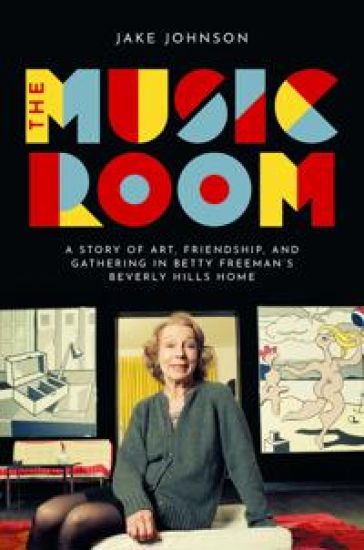
The Music Room

The Music Room

Jake Johnson

OXFORD UNIVERSITY PRESS INC
2025
sidottu
From 1981 to 1994, music patron and art collector Betty Freeman (1921--2009) hosted a series of monthly musicales, or salons, in Los Angeles. Most of these salons were held in a room off the den of Freeman's Beverly Hills home--a space she dubbed "the music room." Freeman saw these salons as an important space to foster the development of contemporary composition among leading and upcoming composers in both America and Europe. Over the span of thirteen seasons, 144 composers, performers, and dignitaries in the contemporary music world spoke, performed, and shared their music before a gathering of elite arts administrators, scholars, critics, patrons, and composers from the greater Los Angeles area. Freeman and her co-organizer, music critic Alan Rich (1924--2010), ensured that young, local composers were frequently featured alongside established ones with international reputations, constructing a network of mentors and mentees within contemporary music. The Music Room is a collection of transcriptions of tape recordings made at the salons and photographs Freeman took of these events that gives an unprecedented look inside one of the most significant musical gatherings of the last century. Among those famous today who appeared in the salons were John Cage, Libby Larsen, Pierre Boulez, Steve Reich, John Adams, György Ligeti, and Philip Glass. Featuring sixteen composers whose work and relationship with Freeman showcase the wide influence of her salon series, The Music Room is at once a record of these specific composers as well as a documented history of salon culture in America.
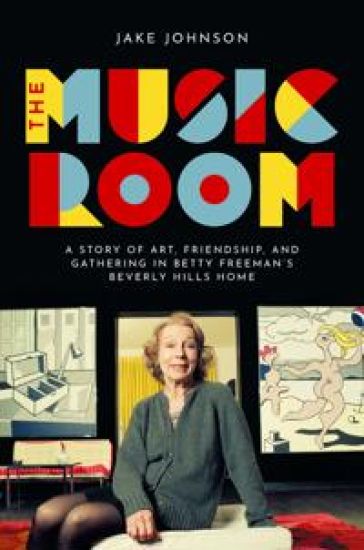
The Music Room

The Music Room

Jake Johnson

OXFORD UNIVERSITY PRESS INC
2025
nidottu
From 1981 to 1994, music patron and art collector Betty Freeman (1921--2009) hosted a series of monthly musicales, or salons, in Los Angeles. Most of these salons were held in a room off the den of Freeman's Beverly Hills home--a space she dubbed "the music room." Freeman saw these salons as an important space to foster the development of contemporary composition among leading and upcoming composers in both America and Europe. Over the span of thirteen seasons, 144 composers, performers, and dignitaries in the contemporary music world spoke, performed, and shared their music before a gathering of elite arts administrators, scholars, critics, patrons, and composers from the greater Los Angeles area. Freeman and her co-organizer, music critic Alan Rich (1924--2010), ensured that young, local composers were frequently featured alongside established ones with international reputations, constructing a network of mentors and mentees within contemporary music. The Music Room is a collection of transcriptions of tape recordings made at the salons and photographs Freeman took of these events that gives an unprecedented look inside one of the most significant musical gatherings of the last century. Among those famous today who appeared in the salons were John Cage, Libby Larsen, Pierre Boulez, Steve Reich, John Adams, György Ligeti, and Philip Glass. Featuring sixteen composers whose work and relationship with Freeman showcase the wide influence of her salon series, The Music Room is at once a record of these specific composers as well as a documented history of salon culture in America.

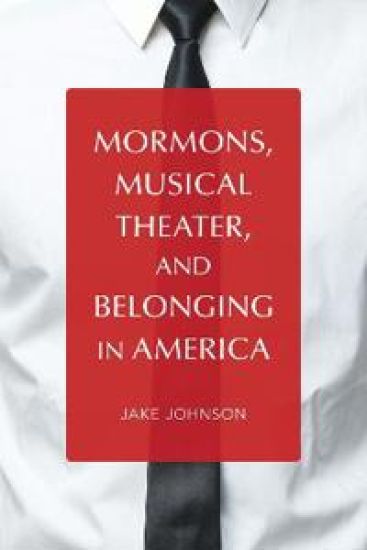
Mormons, Musical Theater, and Belonging in America

Mormons, Musical Theater, and Belonging in America

Jake Johnson

University of Illinois Press
2019
sidottu
The Church of Jesus Christ of Latter-day Saints adopted the vocal and theatrical traditions of American musical theater as important theological tenets. As Church membership grew, leaders saw how the genre could help define the faith and wove musical theater into many aspects of Mormon life. Jake Johnson merges the study of belonging in America with scholarship on voice and popular music to explore the surprising yet profound link between two quintessentially American institutions. Throughout the twentieth and twenty-first centuries, Mormons gravitated toward musicals as a common platform for transmitting political and theological ideas. Johnson sees Mormons using musical theater as a medium for theology of voice--a religious practice that suggests how vicariously voicing another person can bring one closer to godliness. This sounding, Johnson suggests, created new opportunities for living. Voice and the musical theater tradition provided a site for Mormons to negotiate their way into middle-class respectability. At the same time, musical theater became a unique expressive tool of Mormon culture.
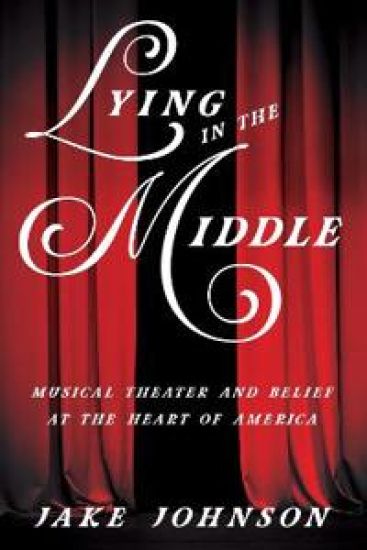
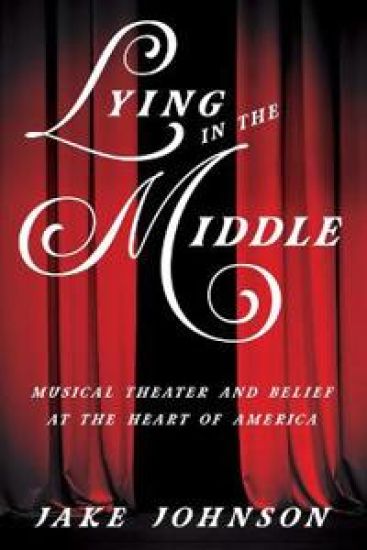
Lying in the Middle

Lying in the Middle

Jake Johnson

University of Illinois Press
2021
sidottu
The local and regional shows staged throughout America use musical theater's inherent power of deception to cultivate worldviews opposed to mainstream ideas. Jake Johnson reveals how musical theater between the coasts inhabits the middle spaces between professional and amateur, urban and rural, fact and fiction, fantasy and reality, and truth and falsehood. The homegrown musical provides a space to engage belief and religion—imagining a better world while creating opportunities to expand what is possible in the current one. Whether it is the Oklahoma Senior Follies or a Mormon splinter group's production of The Sound of Music, such productions give people a chance to jolt themselves out of today's post-truth malaise and move toward a world more in line with their desires for justice, reconciliation, and community. Vibrant and strikingly original, Lying in the Middle discovers some of the most potent musical theater taking place in the hoping, beating hearts of Americans.
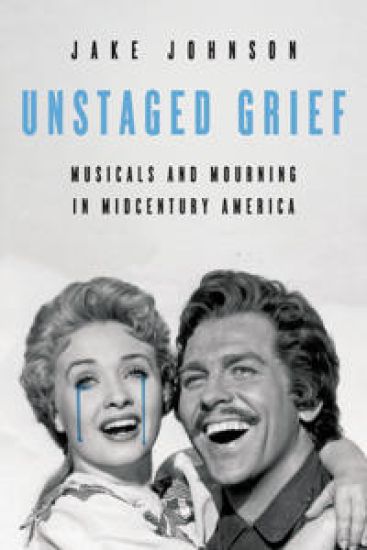
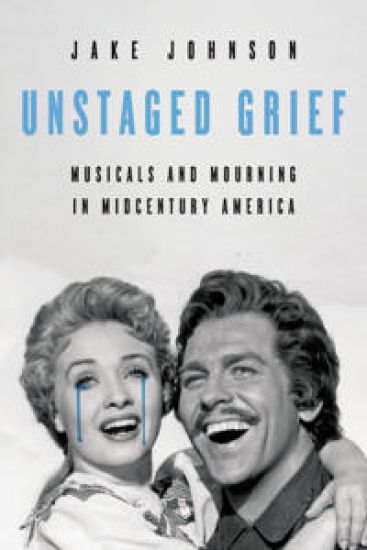
Unstaged Grief

Unstaged Grief

Jake Johnson

UNIVERSITY OF ILLINOIS PRESS
2025
sidottu
Often dismissed as escapism, screen musicals of the 1960s in fact tapped into unspoken sadness about an America that was slipping away. Jake Johnson delves into film and television musicals of the era to examine their place in networks of grieving in America, for America, and about America. The Golden Age of musical theater ended just as Elisabeth Kübler-Ross’s On Death and Dying debuted, and Johnson uses Kübler-Ross’s five stages to frame the intertwining of musicals and grief. He analyzes films like Seven Brides for Seven Brothers and State Fair alongside paintings, poetry, and other images and texts to reveal how the musical theater engine built in the first half of the century broke down just as a new language emerged to describe the melancholy felt by people facing the end of the world they had known. Nuanced and original, Unstaged Grief plumbs the grief, loss, and hope behind the Technicolor spectacle and rousing showstoppers.
Mormons, Musical Theater, and Belonging in America

Mormons, Musical Theater, and Belonging in America

Jake Johnson

University of Illinois Press
2019
nidottu
The Church of Jesus Christ of Latter-day Saints adopted the vocal and theatrical traditions of American musical theater as important theological tenets. As Church membership grew, leaders saw how the genre could help define the faith and wove musical theater into many aspects of Mormon life. Jake Johnson merges the study of belonging in America with scholarship on voice and popular music to explore the surprising yet profound link between two quintessentially American institutions. Throughout the twentieth and twenty-first centuries, Mormons gravitated toward musicals as a common platform for transmitting political and theological ideas. Johnson sees Mormons using musical theater as a medium for theology of voice--a religious practice that suggests how vicariously voicing another person can bring one closer to godliness. This sounding, Johnson suggests, created new opportunities for living. Voice and the musical theater tradition provided a site for Mormons to negotiate their way into middle-class respectability. At the same time, musical theater became a unique expressive tool of Mormon culture.
Lying in the Middle

Lying in the Middle

Jake Johnson

University of Illinois Press
2021
nidottu
The local and regional shows staged throughout America use musical theater's inherent power of deception to cultivate worldviews opposed to mainstream ideas. Jake Johnson reveals how musical theater between the coasts inhabits the middle spaces between professional and amateur, urban and rural, fact and fiction, fantasy and reality, and truth and falsehood. The homegrown musical provides a space to engage belief and religion—imagining a better world while creating opportunities to expand what is possible in the current one. Whether it is the Oklahoma Senior Follies or a Mormon splinter group's production of The Sound of Music, such productions give people a chance to jolt themselves out of today's post-truth malaise and move toward a world more in line with their desires for justice, reconciliation, and community. Vibrant and strikingly original, Lying in the Middle discovers some of the most potent musical theater taking place in the hoping, beating hearts of Americans.
Unstaged Grief

Unstaged Grief

Jake Johnson

UNIVERSITY OF ILLINOIS PRESS
2025
nidottu
Often dismissed as escapism, screen musicals of the 1960s in fact tapped into unspoken sadness about an America that was slipping away. Jake Johnson delves into film and television musicals of the era to examine their place in networks of grieving in America, for America, and about America. The Golden Age of musical theater ended just as Elisabeth Kübler-Ross’s On Death and Dying debuted, and Johnson uses Kübler-Ross’s five stages to frame the intertwining of musicals and grief. He analyzes films like Seven Brides for Seven Brothers and State Fair alongside paintings, poetry, and other images and texts to reveal how the musical theater engine built in the first half of the century broke down just as a new language emerged to describe the melancholy felt by people facing the end of the world they had known. Nuanced and original, Unstaged Grief plumbs the grief, loss, and hope behind the Technicolor spectacle and rousing showstoppers.
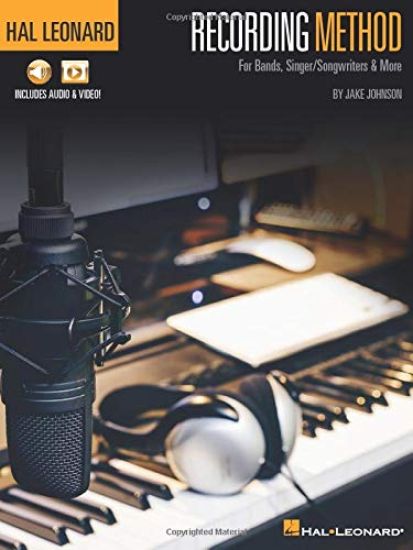
Hal Leonard Recording Method

Hal Leonard Recording Method

Jake Johnson

Hal Leonard Corporation
2021
muu
(RECORDING INSTRUCTION). The Hal Leonard Recording Method is the perfect introduction for anyone interested in learning the basics of recording audio for bands, singer/songwriters, and more. Veteran studio engineer and author Jake Johnson takes you through the fundamentals of audio recording, from gear and set-up through mixing and mastering, sharing invaluable tips and guideposts along the way. Also features audio demonstration tracks and video tutorials Topics covered include: digital audio basics * basic gear and setup * inputs and outputs (I/O) * audio sources & microphones * capturing & editing audio * plug-ins, effects & signal processing * mixing * mastering * and more. Includes access to audio examples and video lessons online for download or streaming.
Staying Alive In The Funeral & Cemetery Profession

Staying Alive In The Funeral & Cemetery Profession

Jake Johnson

Advantage Media Group
2019
sidottu
The funeral business is changing. Don't let it bury you. Since its inception, the funeral and cemetery business has stuck to the status quo. After all, other than taxes, death is the only sure thing in life. But the world is changing more rapidly than ever. As a funeral or cemetery professional, you have to keep up if you don't want to get buried. Written by Jake Johnson, president and CEO of the premier consulting firm for the funeral and cemetery business, Staying Alive in the Funeral Profession holds the insights you need to understand current trends and opportunities to buy, grow, and sell while building a legacy you can be proud of.
How to MASTER Anger Management: Like a BOSS!!

How to MASTER Anger Management: Like a BOSS!!

Jake Johnson

Independently Published
2019
nidottu
Address your anger and work through it; understand where it comes from and let it go - this book will help you with all that Anger is unavoidable. Whether you suffered through childhood trauma, your work gets you nervous, or you don't deal well with arguments - chances are, you have experienced some kind of anger throughout your life. Unfortunately, if not addressed, anger grows.You're probably aware that anger pulls you back. How many relationships have you destroyed only because you couldn't control your temper? Have you lost jobs and life-changing opportunities? Finally, are you angry at yourself for being powerless over your anger?But, you can break free from this chain of circumstances...You can learn how to control your anger before it controls you...And, you can finally be free to move on You just need someone or something to guide you. This anger management workbook will do just that, and it'll help you: Understand why do we become angry: anger can be triggered by any injustice done to you or someone else, high expectations that don't work out, etc; Manage your stress: a three-step process for successful anger management including setting boundaries and goals, acceptance, and planning your next step;Learn how to take every step: thorough explanation of each step from the process, examples of how to implement the steps in your life, etc;Take control of your actions: letting go of trying to control other people or situations and accepting that you can control only your own behavior;Become grateful and increase faith: how to employ the power of gratitude in helping you increase faith and achieve peace;Find motivation from real-life examples: the author shares events from his life where he managed to let go of his anger;Break free This book will give you the needed push toward a calmer, happier, and more productive life. Once you learn that only you can make yourself angry, you'll realize how powerful you are. With this workbook in your hands, you'll know how to use that power to calm yourself Scroll up, click on "Buy Now with 1-Click", and Get Your Copy Now
Master Critical Thinking for Teens

Master Critical Thinking for Teens

Jake Johnson

Peak Publish LLC
2023
pokkari
Critical thinking is the compass that guides your decisions through life. It's the ability to be aware of information given to you - and act accordingly.Outside of external circumstances, one's critical thinking ability has proven to be the single most important element in determining outcomes in life. And did you know that the teenage years are where the foundation of critical thinking either alters into a beautiful structure or comes crumbling down?In a world where information is everywhere, being able to look through the noise and make sense of it all is paramount. That's why this guide is so incredibly important. Written in a step-by-step, easy to digest format, this guide can help teens become better speakers, debaters, and mindful members of society. Written by renowned youth psychology experts, this guide applies the lens of critical thinking upon the teenage Gen Z experience in the Age of Information.✓ What is the difference between thinking and critical thinking? Unveil how critical thinking can help you to identify assumptions, evaluate arguments, and recognize logical fallacies.✓ How can I become more self-reliant? Mental roadblocks you are facing keeps you from accessing a true growth mindset, developing skills, and taking action.✓ How are biases and logical fallacies sabotaging my decision-making ability? These unconscious mental shortcuts cause us to favor certain beliefs or ideas over others, even when the evidence suggests otherwise.✓ What sources of information am I allowing to sway my opinions? Discover how to establish a balanced and informed worldview.The guide outlines: - 10 Cognitive Biases- 15 Logical Fallacies- Information Analysis Strategies- Debate and Argument Strategies- Media and Advertisement Analysis Strategies... And real-life examples of how to utilize your new and improved critical thinking abilities in the world.Master Critical Thinking for Teens is the complete guide to improving decision-making skills, mastering problem solving, and conquering logical fallacies.