Kirjojen hintavertailu. Mukana 11 505 778 kirjaa ja 12 kauppaa.

Kirjahaku

Etsi kirjoja tekijän nimen, kirjan nimen tai ISBN:n perusteella.

11 kirjaa tekijältä James C. Cobb

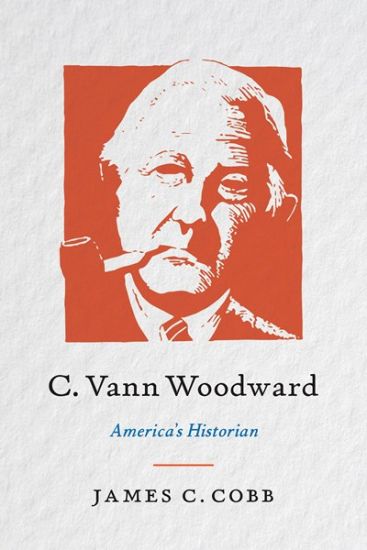
C. Vann Woodward

C. Vann Woodward

James C. Cobb

THE UNIVERSITY OF NORTH CAROLINA PRESS
2022
sidottu
With an epic career that spanned two-thirds of the twentieth century, C. Vann Woodward (1908–1999) was a historian of singular importance. A brilliant writer, his work captivated both academic and public audiences. He also figured prominently in the major intellectual conflicts between left and right during the last half of the twentieth century, although his unwavering commitment to free speech and racial integration that affirmed his liberalism in the 1950s struck some as emblematic of his growing conservatism by the 1990s. Woodward's vision still permeates our understandings of the American South and of the history of race relations in the United States. Indeed, as this fresh and revealing biography shows, he displayed a rare genius and enthusiasm for crafting lessons from the past that seemed directly applicable to the concerns of the present—a practice that more than once cast doubt on his scholarship.James C. Cobb offers many original insights into Woodward's early years and private life, his long career, and his almost mythic public persona. In a time where the study and substance of American history are profoundly contested, Woodward's career is replete with lessons in how myths about the past, some created by historians themselves, come to be enshrined as historical truth.
C. Vann Woodward

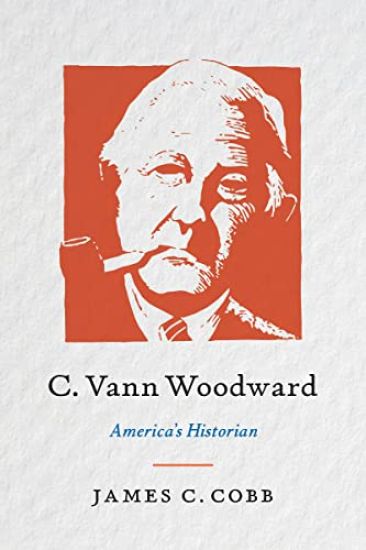
C. Vann Woodward

James C. Cobb

THE UNIVERSITY OF NORTH CAROLINA PRESS
2026
pokkari
With an epic career that spanned two-thirds of the twentieth century, C. Vann Woodward (1908–1999) was a historian of singular importance. A brilliant writer, his work captivated both academic and public audiences. He also figured prominently in the major intellectual conflicts between left and right during the last half of the twentieth century, although his unwavering commitment to free speech and racial integration that affirmed his liberalism in the 1950s struck some as emblematic of his growing conservatism by the 1990s. Woodward’s vision still permeates our understandings of the American South and of the history of race relations in the United States. Indeed, as this fresh and revealing biography shows, he displayed a rare genius and enthusiasm for crafting lessons from the past that seemed directly applicable to the concerns of the present—a practice that more than once cast doubt on his scholarship. James C. Cobb offers many original insights into Woodward’s early years and private life, his long career, and his almost mythic public persona. In a time where the study and substance of American history are profoundly contested, Woodward’s career is replete with lessons in how myths about the past, some created by historians themselves, come to be enshrined as historical truth.
Away Down South

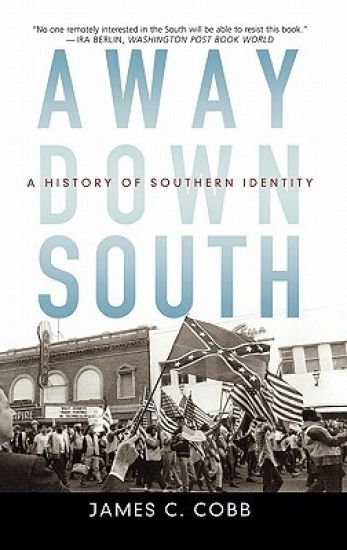
Away Down South

James C. Cobb

Oxford University Press Inc
2005
sidottu
From the seventeenth century Cavaliers and Uncle Tom's Cabin to Civil Rights museums and today's conflicts over the Confederate flag, here is a brilliant portrait of southern identity, served in an engaging blend of history, literature, and popular culture. In this insightful book, written with dry wit and sharp insight, James C. Cobb explains how the South first came to be seen--and then came to see itself--as a region apart from the rest of America. As Cobb demonstrates, the legend of the aristocratic Cavalier origins of southern planter society was nurtured by both northern and southern writers, only to be challenged by abolitionist critics, black and white. After the Civil War, defeated and embittered southern whites incorporated the Cavalier myth into the cult of the "Lost Cause," which supplied the emotional energy for their determined crusade to rejoin the Union on their own terms. After World War I, white writers like Ellen Glasgow, William Faulkner and other key figures of "Southern Renaissance" as well as their African American counterparts in the "Harlem Renaissance"--Cobb is the first to show the strong links between the two movements--challenged the New South creed by asking how the grandiose vision of the South's past could be reconciled with the dismal reality of its present. The Southern self-image underwent another sea change in the wake of the Civil Rights movement, when the end of white supremacy shook the old definition of the "Southern way of life"--but at the same time, African Americans began to examine their southern roots more openly and embrace their regional, as well as racial, identity. As the millennium turned, the South confronted a new identity crisis brought on by global homogenization: if Southern culture is everywhere, has the New South become the No South? Here then is a major work by one of America's finest Southern historians, a magisterial synthesis that combines rich scholarship with provocative new insights into what the South means to southerners and to America as well.
The South and America since World War II

The South and America since World War II

James C. Cobb

Oxford University Press Inc
2011
sidottu
In this superb volume, James C. Cobb provides the first truly comprehensive history of the South since World War II, brilliantly capturing an era of dramatic change, both in the South and in its relationship with the rest of the nation. Here is a panoramic narrative that flows seamlessly from the Dixiecrats to the "southern strategy," to the South's domination of today's GOP, and from the national ascendance of southern culture and music, to a globalized Dixie's allure for foreign factories and a flood of immigrants, to the roles of women and an increasingly visible gay population in contemporary southern life. The heart of the book illuminates the struggle for Civil Rights. Jim Crow still towered over the South in 1945, but Cobb shows that Pearl Harbor unloosed forces that would bring its ultimate demise. Growing black political clout outside the South and the contradiction of fighting racist totalitarianism abroad while tolerating it at home set the stage for returning black veterans to spearhead the NAACP's postwar assault on the South's racial system. This assault sparked not only vocal white resistance but mounting violence that culminated in the murder of young Emmett Till in 1955. Energized rather than intimidated, however, blacks in Montgomery staged the famous bus boycott, bringing the Rev. Martin Luther King to the fore and paving the way for the dramatic protests and confrontations that finally brought profound racial changes as well as two-party politics to the South. As he did in the prize-winning The Most Southern Place on Earth and Away Down South, Cobb writes with wit and grace, showing a thorough grasp of his native region. Exhaustively researched and brimming with original insights, The South and America Since World War II is indeed the definitive history of the postwar South and its changing role in national life.
The South and America since World WarII

The South and America since World WarII

James C. Cobb

Oxford University Press Inc
2011
nidottu
In this superb volume, James C. Cobb provides the first truly comprehensive history of the South since World War II, brilliantly capturing an era of dramatic change, both in the South and in its relationship with the rest of the nation. Here is a panoramic narrative that flows seamlessly from the Dixiecrats to the "southern strategy," to the South's domination of today's GOP, and from the national ascendance of southern culture and music, to a globalized Dixie's allure for foreign factories and a flood of immigrants, to the roles of women and an increasingly visible gay population in contemporary southern life. The heart of the book illuminates the struggle for Civil Rights. Jim Crow still towered over the South in 1945, but Cobb shows that Pearl Harbor unloosed forces that would bring its ultimate demise. Growing black political clout outside the South and the contradiction of fighting racist totalitarianism abroad while tolerating it at home set the stage for returning black veterans to spearhead the NAACP's postwar assault on the South's racial system. This assault sparked not only vocal white resistance but mounting violence that culminated in the murder of young Emmett Till in 1955. Energized rather than intimidated, however, blacks in Montgomery staged the famous bus boycott, bringing the Rev. Martin Luther King to the fore and paving the way for the dramatic protests and confrontations that finally brought profound racial changes as well as two-party politics to the South. As he did in the prize-winning The Most Southern Place on Earth and Away Down South, Cobb writes with wit and grace, showing a thorough grasp of his native region. Exhaustively researched and brimming with original insights, The South and America Since World War II is indeed the definitive history of the postwar South and its changing role in national life.
Away Down South

Away Down South

James C. Cobb

Oxford University Press Inc
2007
nidottu
From the seventeenth century Cavaliers and Uncle Tom's Cabin to Civil Rights museums and today's conflicts over the Confederate flag, here is a brilliant portrait of southern identity, served in an engaging blend of history, literature, and popular culture. In this insightful book, written with dry wit and sharp insight, James C. Cobb explains how the South first came to be seen--and then came to see itself--as a region apart from the rest of America. As Cobb demonstrates, the legend of the aristocratic Cavalier origins of southern planter society was nurtured by both northern and southern writers, only to be challenged by abolitionist critics, black and white. After the Civil War, defeated and embittered southern whites incorporated the Cavalier myth into the cult of the "Lost Cause," which supplied the emotional energy for their determined crusade to rejoin the Union on their own terms. After World War I, white writers like Ellen Glasgow, William Faulkner and other key figures of "Southern Renaissance" as well as their African American counterparts in the "Harlem Renaissance"--Cobb is the first to show the strong links between the two movements--challenged the New South creed by asking how the grandiose vision of the South's past could be reconciled with the dismal reality of its present. The Southern self-image underwent another sea change in the wake of the Civil Rights movement, when the end of white supremacy shook the old definition of the "Southern way of life"--but at the same time, African Americans began to examine their southern roots more openly and embrace their regional, as well as racial, identity. As the millennium turned, the South confronted a new identity crisis brought on by global homogenization: if Southern culture is everywhere, has the New South become the No South? Here then is a major work by one of America's finest Southern historians, a magisterial synthesis that combines rich scholarship with provocative new insights into what the South means to southerners and to America as well.
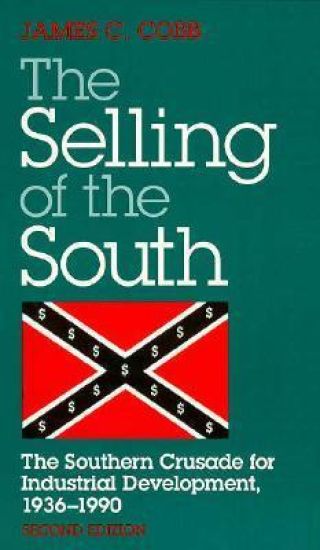
SELLING OF THE SOUTH

SELLING OF THE SOUTH

James C. Cobb

University of Illinois Press
1993
nidottu
From the Great Depression to the Sunbelt Era the South has pursued industrial development as the remedy for its economic ills. The mixed results of this ongoing crusade are chronicled in this path-breaking study, updated to 1990, in which James Cobb examines the expectations, achievements, and side effects of the dive for southern industrialization.
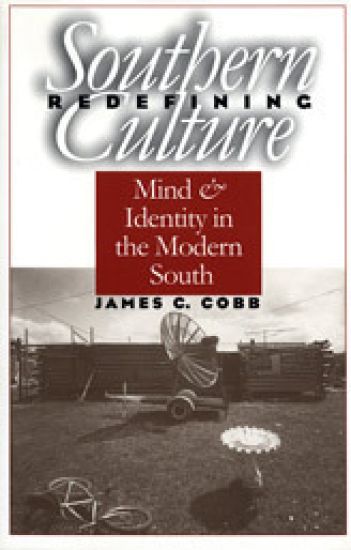
Redefining Southern Culture

Redefining Southern Culture

James C. Cobb

University of Georgia Press
1999
pokkari
From the creation of the first “New South” in the wake of Appomattox to the current struggles over the Confederate flag, Redefining Southern Culture surveys the remarkable story of southern identity and its persistence in the face of sweeping changes in the South’s economy, society, and political structure. Rejecting the conventional continuity-versus-change framework, James C. Cobb instead illustrates how the evolution of southern culture synthesized these two forces in recent years. Throughout this lively and engaging volume, Cobb examines southern identity in its constantly changing forms, from history and literature to blues and country music to popular and consumer cultures. Cobb also presents the first detailed account of the efforts of African Americans in the South to reclaim their identity as southerners and to construct their own symbolic and substantive representations of what that identity means.The essays in Redefining Southern Culture reflect James C. Cobb’s career-long interest in exploring southern cultural identity and the interaction of this identity with the economic, social, and political forces that have transformed the region. Written in a refreshingly straightforward and engaging style, this book promises thoughtful reading for anyone interested in the modern South and will be a valuable resource for courses in southern history and culture.
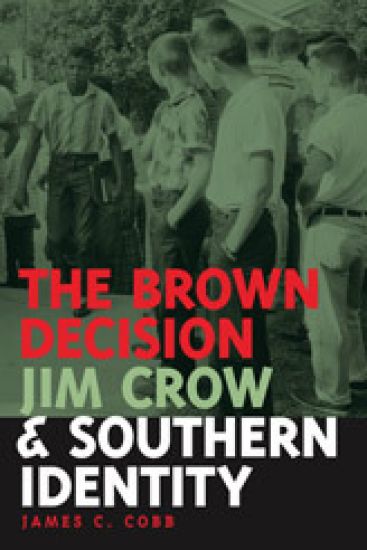
The Brown Decision, Jim Crow, and Southern Identity

The Brown Decision, Jim Crow, and Southern Identity

James C. Cobb

University of Georgia Press
2005
sidottu
The 1954 Brown v. Board of Education ruling was a watershed event in the fight against racial segregation in the United States. The recent fiftieth anniversary of Brown prompted a surge of tributes: books, television and radio specials, conferences, and speeches. At the same time, says James C. Cobb, it revealed a growing trend of dismissiveness and negativity toward Brown and other accomplishments of the civil rights movement. Writing as both a lauded historian and a white southerner from the last generation to grow up under southern apartheid, Cobb responds to what he sees as distortions of Brown’s legacy and their implied disservice to those whom it inspired and empowered.Cobb begins by looking at how our historical understanding of segregation has evolved since the Brown decision. In particular, he targets the tenacious misconception that racial discrimination was at odds with economic modernization—and so would have faded out, on its own, under market pressures. He then looks at the argument that Brown energized white resistance more than it fomented civil rights progress. This position overstates the pace and extent of racial change in the South prior to Brown, Cobb says, while it understates Brown’s role in catalyzing and legitimizing subsequent black protest.Finally, Cobb suggests that the Brown decree and the civil rights movement accomplished not only more than certain critics have acknowledged but also more than the hard statistics of black progress can reveal. The destruction of Jim Crow, with its “denial of belonging,” allowed African Americans to embrace their identity as southerners in ways that freed them to explore links between their southernness and their blackness. This is an important and timely reminder of “what the Brown court and the activists who took the spirit of its ruling into the streets were up against, both historically and contemporaneously.”
Georgia Odyssey

Georgia Odyssey

James C. Cobb

University of Georgia Press
2008
pokkari
Georgia Odyssey is a lively survey of the state’s history, from its beginnings as a European colony to its current standing as an international business mecca, from the self-imposed isolation of its Jim Crow era to its role as host of the centennial Olympic Games and beyond, from its long reign as the linchpin state of the Democratic Solid South to its current dominance by the Republican Party. This new edition incorporates current trends that have placed Georgia among the country’s most dynamic and attractive states, fueled the growth of its Hispanic and Asian American populations, and otherwise dramatically altered its demographic, economic, social, and cultural appearance and persona.“The constantly shifting cultural landscape of contemporary Georgia,” writes James C. Cobb, “presents a jumbled panorama of anachronism, contradiction, contrast, and peculiarity.” A Georgia native, Cobb delights in debunking familiar myths about his state as he brings its past to life and makes it relevant to today. Not all of that past is pleasant to recall, Cobb notes. Moreover, not all of today’s Georgians are as unequivocal as the tobacco farmer who informed a visiting journalist in 1938 that “we Georgians are Georgian as hell.” That said, a great many Georgians, both natives and new arrivals, care deeply about the state’s identity and consider it integral to their own. Georgia Odyssey is the ideal introduction to our past and a unique and often provocative look at the interaction of that past with our present and future.
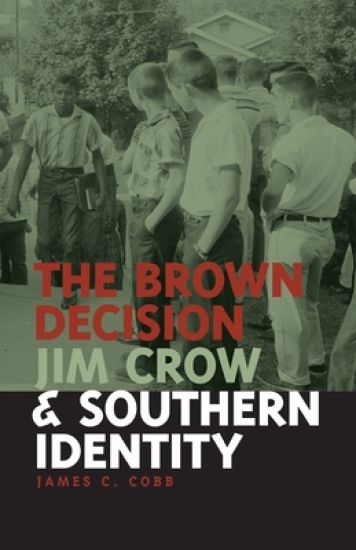
The Brown Decision, Jim Crow, and Southern Identity

The Brown Decision, Jim Crow, and Southern Identity

James C. Cobb

University of Georgia Press
2019
pokkari
The 1954 Brown v. Board of Education ruling was a watershed event in the fight against racial segregation in the United States. The recent fiftieth anniversary of Brown prompted a surge of tributes: books, television and radio specials, conferences, and speeches. At the same time, says James C. Cobb, it revealed a growing trend of dismissiveness and negativity toward Brown and other accomplishments of the civil rights movement. Writing as both a lauded historian and a white southerner from the last generation to grow up under southern apartheid, Cobb responds to what he sees as distortions of Brown’s legacy and their implied disservice to those whom it inspired and empowered.Cobb begins by looking at how our historical understanding of segregation has evolved since the Brown decision. In particular, he targets the tenacious misconception that racial discrimination was at odds with economic modernization—and so would have faded out, on its own, under market pressures. He then looks at the argument that Brown energized white resistance more than it fomented civil rights progress. This position overstates the pace and extent of racial change in the South prior to Brown, Cobb says, while it understates Brown’s role in catalyzing and legitimizing subsequent black protest.Finally, Cobb suggests that the Brown decree and the civil rights movement accomplished not only more than certain critics have acknowledged but also more than the hard statistics of black progress can reveal. The destruction of Jim Crow, with its “denial of belonging,” allowed African Americans to embrace their identity as southerners in ways that freed them to explore links between their southernness and their blackness. This is an important and timely reminder of “what the Brown court and the activists who took the spirit of its ruling into the streets were up against, both historically and contemporaneously.”