Kirjojen hintavertailu. Mukana 11 244 527 kirjaa ja 12 kauppaa.

Kirjahaku

Etsi kirjoja tekijän nimen, kirjan nimen tai ISBN:n perusteella.

6 kirjaa tekijältä James C. Harris

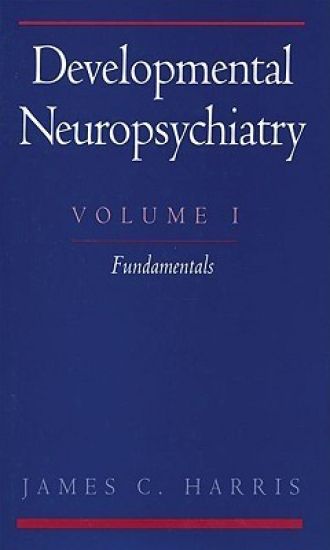
Developmental Neuropsychiatry: Volume 1: The Fundamentals

Developmental Neuropsychiatry: Volume 1: The Fundamentals

James C. Harris

Oxford University Press Inc
1996
sidottu
This comprehensive textbook is made up of two volumes, the first of which provides fundamental background information needed for understanding the neurodevelopmental disorders, while the second provides a comprehensive review of their assessment, diagnosis, and treatment. Divided into nine parts, these books orovide a synthesis of recent developments in basic neurobiology, cognitive neuroscience, child development, and developmental psychopathology. The purpose of the book is to assist the professional working with developmental disorders to facilitate the mental growth and social adaptation of affected children and adolescents.
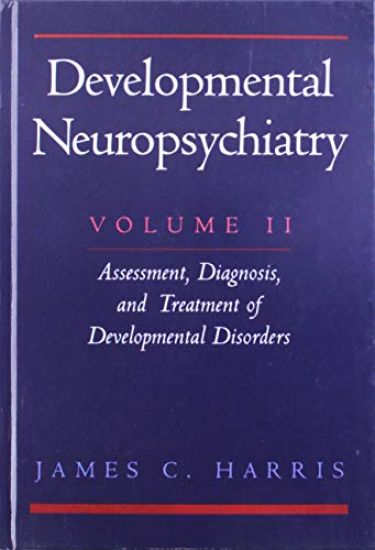
Developmental Neuropsychiatry: Volume 2: Assessment, Diagnosis, and Treatment of Developmental Disorders
This comprehensive textbook is made up of two volumes, the first of which provides fundamental background information needed for understanding the neurodevelopmental disorders, while the second provides a comprehensive review of their assessment, diagnosis, and treatment. Divided into nine parts, these books provide a synthesis of recent developments on basic neurobiology, cognitive neuroscience, child development, and developmental psychopathology. The purpose of the book is to assist the professional working with developmental disorders to facilitate the mental growth and social adaptation of affected children and adolescents.
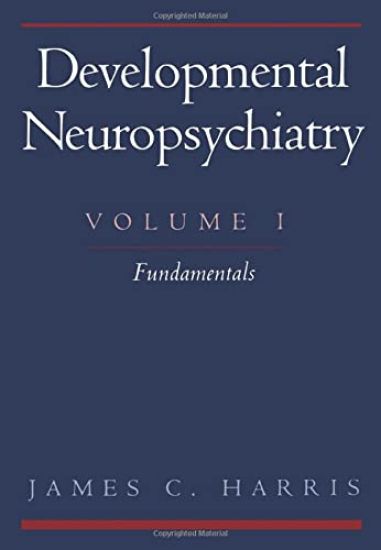
Developmental Neuropsychiatry: Volume 1: Fundamentals

Developmental Neuropsychiatry: Volume 1: Fundamentals

James C. Harris

Oxford University Press Inc
2000
nidottu
Although developmental concepts have held a prominent place in American psychiatry for over fifty years because of the dominance of psychodynamic theory, it is only in recent years that advances in neuroscience have begun to impact developmental psychiatry. James Harris's two volume work on developmental neuropsychiatry sets the agenda for this emerging clinical specialty. Written by an individual with the developmental expertise of a pediatrician, the behavioral sophistication of an adult and child psychiatrist, and a deep appreciation of neuroscience, these two books offer an integrated yet comprehensive approach to developmental neuropsychiatry. In Volume I, Part I discusses basic neural science, including aspects of molecular neurobiology, developmental neuroanatomy, neurotransmitter systems and neuronal signaling mechanisms, sleep and circadian rhythms, and basic genetics. Part II provides background on cognitive neuroscience that relate to attention, emotion, language, memory, neural networks, and consciousness. Part III emphasizes the developmental perspective which is crucial to an understanding of neurodevelopmental disorders. It offers an ethological framework as well as background information on cognitive development, emotion expression and regulation, language development, temperament and personality, and the emergence of the self.
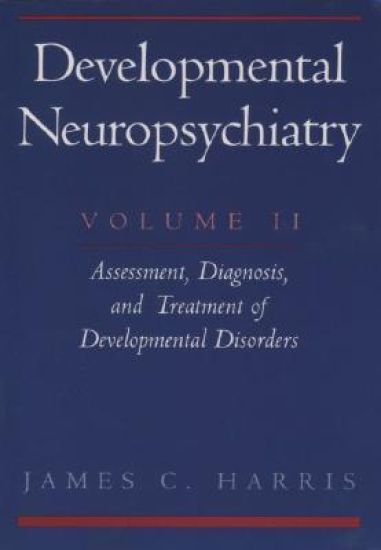
Developmental Neuropsychiatry: Volume 2: Assessment, Diagnosis, and Treatment of Developmental Disorders
James Harris's two volume work on developmental neuropsychiatry sets the agenda for this emerging clinical specialty. Written by an individual with the developmental expertise of a pediatrician, the behavioral sophistication of an adult and child psychiatrist, and a deep appreciation of neuroscience, these two books offer an integrated yet comprehensive approach to developmental neuropsychiatry. Grounded in neuroscience but enriched by clinical realities, Volume II provides a comprehensive review of the developmental neuropsychiatric disorders. Throughout the text current DSM-IV diagnostic criteria are provided. Part I outlines the diagnostic process and the genetic history, provides details on the conduct of neuropsychological testing, and offers a detailed review of brain imaging techniques, moving from CT and MRI scanning to the most recent developments in functional MRI and PET scanning. Part II discusses mental retardation, cerebral palsy, the learning disorders, the pervasive developmental disorders, and traumatic brain injury. Part III describes behavioral phenotypes in cytogenetic and other genetic disorders, genetic metabolic disorders, and disorders that result from gestational substance abuse. Part IV is devoted to developmental psychopathology and includes Attention Deficit/Hyperactivity disorder, schizophrenia, Tourette's disorder, sleep disorders, and the syndromes of aggression and self-injury primarily occurring in mentally retarded persons. Part V covers treatment and includes detailed descriptions of psychotherapy, behavior therapy, pharmacological interventions, genetic counseling, and gene therapy. Finally, Part VI deals with legal and ethical issues as they pertain to developmentally disabled persons.
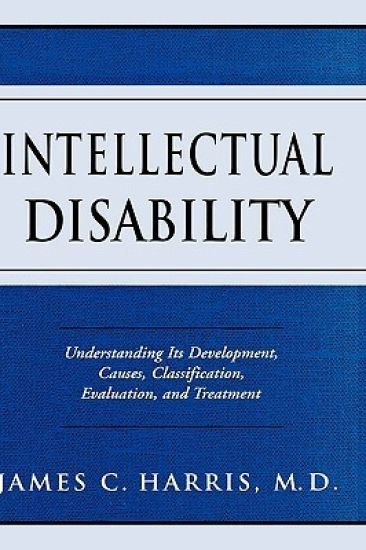
Intellectual Disability

Intellectual Disability

James C. Harris

Oxford University Press Inc
2005
sidottu
It is estimated that 7.2 million people in the United States have mental retardation or associated impairments - a spectrum now referred to as "intellectual disability." This book provides professionals with the latest and most reliable information on these disabilities. It utilizes a developmental perspective and reviews the various types of intellectual disabilities, discusses approaches to classification, diagnosis, and appropriate interventions, and provides information on resources that may offer additional help. Case examples are included in each section to highlight specific diagnostic and treatment issues. The emphasis in this book is on the development of the person, the provision of interventions for behavioral and emotional problems associated with intellectual disability, and the positive support necessary for self-determination. It discusses the facilitation of transitions throughout the lifespan from infancy to maturity and old age. Additionally, the book reviews evaluations for behavioral and emotional problems, genetic factors, appropriate psychosocial, medical, and pharmacological interventions, and family and community support.