Kirjojen hintavertailu. Mukana 11 699 587 kirjaa ja 12 kauppaa.

Kirjahaku

Etsi kirjoja tekijän nimen, kirjan nimen tai ISBN:n perusteella.

4 kirjaa tekijältä James C. Mohr

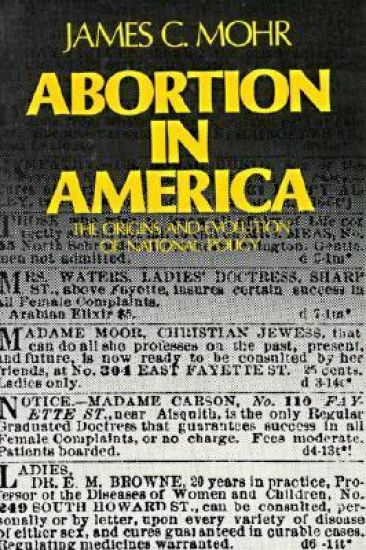
Abortion in America

Abortion in America

James C. Mohr

Oxford University Press Inc
1979
nidottu
'The history of how abortion came to be banned and how women lost--for the century between approximately 1870 and 1970--rights previously thought to be natural and inherent over their own bodies is a fascinating and infuriating one.
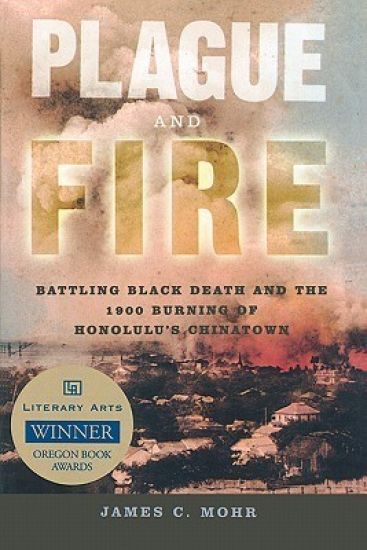
Plague and Fire

Plague and Fire

James C. Mohr

Oxford University Press Inc
2006
nidottu
A little over a century ago, bubonic plague--the same Black Death that decimated medieval Europe--arrived on the shores of Hawaii just as the islands were about to become a U.S. territory. In this absorbing narrative, James Mohr tells the story of that fearful visitation and its fiery climax--a vast conflagration that engulfed Honolulu's Chinatown. Mohr tells this gripping tale largely through the eyes of the people caught up in the disaster, from members of the white elite to Chinese doctors, Japanese businessmen, and Hawaiian reporters. At the heart of the narrative are three American physicians--the Honolulu Board of Health--who became virtual dictators when the government granted them absolute control over the armed forces and the treasury. The doctors soon quarantined Chinatown, where the plague was killing one or two people a day and clearly spreading. They resisted intense pressure from the white community to burn down all of Chinatown at once and instead ordered a careful, controlled burning of buildings where plague victims had died. But a freak wind whipped one of those small fires into a roaring inferno that destroyed everything in its path, consuming roughly thirty-eight acres of densely packed wooden structures in a single afternoon. Some 5000 people lost their homes and all their possessions and were marched in shock to detention camps, where they were confined under armed guard for weeks. Next to the attack on Pearl Harbor in 1941, the Chinatown fire is the worst civic disaster in Hawaiian history. A dramatic account of people struggling in the face of mounting catastrophe, Plague and Fire is a stimulating and thought-provoking read.
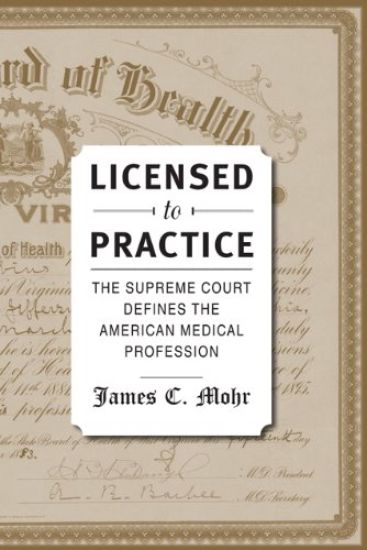
Licensed to Practice

Licensed to Practice

James C. Mohr

Johns Hopkins University Press
2014
sidottu
Licensed to Practice begins with an 1891 shooting in Wheeling, West Virginia, that left one doctor dead and another on trial for his life. Formerly close friends, the doctors had fallen out over the issue of medical licensing. Historian James C. Mohr calls the murder "a sorry personal consequence of the far larger and historically significant battle among West Virginia's physicians over the future of their profession." Through most of the nineteenth century, anyone could call themselves a doctor and could practice medicine on whatever basis they wished. But an 1889 U.S. Supreme Court case, Dent v. West Virginia, effectively transformed medical practice from an unregulated occupation to a legally recognized profession. The political and legal battles that led up to the decision were unusually bitter - especially among physicians themselves - and the outcome was far from a foregone conclusion. So-called Regular physicians wanted to impose their own standards on the wide-open medical marketplace in which they and such non-Regulars as Thomsonians, Botanics, Hydropaths, Homeopaths, and Eclectics competed. The Regulars achieved their goal by persuading the state legislature to make it a crime for anyone to practice without a license from the Board of Health, which they controlled. When the high court approved that arrangement - despite constitutional challenges - the licensing precedents established in West Virginia became the bedrock on which the modern American medical structure was built. And those precedents would have profound implications. Thus does Dent, a little-known Supreme Court case, influence how Americans receive health care more than a hundred years after the fact.
Licensed to Practice

Licensed to Practice

James C. Mohr

Johns Hopkins University Press
2014
pokkari
Licensed to Practice begins with an 1891 shooting in Wheeling, West Virginia, that left one doctor dead and another on trial for his life. Formerly close friends, the doctors had fallen out over the issue of medical licensing. Historian James C. Mohr calls the murder "a sorry personal consequence of the far larger and historically significant battle among West Virginia's physicians over the future of their profession." Through most of the nineteenth century, anyone could call themselves a doctor and could practice medicine on whatever basis they wished. But an 1889 U.S. Supreme Court case, Dent v. West Virginia, effectively transformed medical practice from an unregulated occupation to a legally recognized profession. The political and legal battles that led up to the decision were unusually bitter - especially among physicians themselves - and the outcome was far from a foregone conclusion. So-called Regular physicians wanted to impose their own standards on the wide-open medical marketplace in which they and such non-Regulars as Thomsonians, Botanics, Hydropaths, Homeopaths, and Eclectics competed. The Regulars achieved their goal by persuading the state legislature to make it a crime for anyone to practice without a license from the Board of Health, which they controlled. When the high court approved that arrangement - despite constitutional challenges - the licensing precedents established in West Virginia became the bedrock on which the modern American medical structure was built. And those precedents would have profound implications. Thus does Dent, a little-known Supreme Court case, influence how Americans receive health care more than a hundred years after the fact.