Kirjojen hintavertailu. Mukana 11 699 587 kirjaa ja 12 kauppaa.

Kirjahaku

Etsi kirjoja tekijän nimen, kirjan nimen tai ISBN:n perusteella.

6 kirjaa tekijältä James C. Riley

Low Income, Social Growth, and Good Health

Low Income, Social Growth, and Good Health

James C. Riley

University of California Press
2007
sidottu
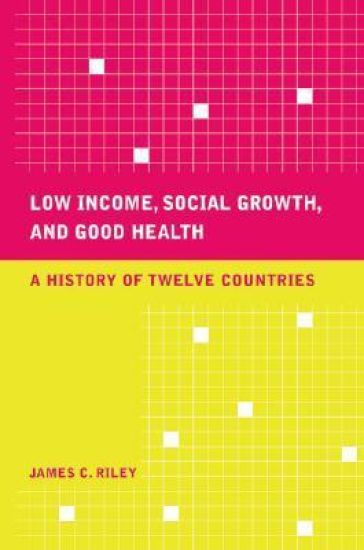
This book studies the experience of twelve countries that have broken through the limits that low incomes so often impose on human survival: China, Costa Rica, Cuba, Jamaica, Japan, Korea, Mexico, Oman, Panama, the former Soviet Union, Sri Lanka, and Venezuela. Most made impressive gains in life expectancy in the decades after 1920, and by 1960 nearly matched the rich countries in survival. James C. Riley finds that all of these countries enjoyed significant social growth, all invested in public health, and all gained the people's participation in the effort to improve their own lives and health. This innovative analysis suggests an alternative model of growth in which the measure of a nation's success is not its per capita income but the life expectancy of its population.
Rising Life Expectancy

Rising Life Expectancy

James C. Riley

Cambridge University Press
2001
pokkari
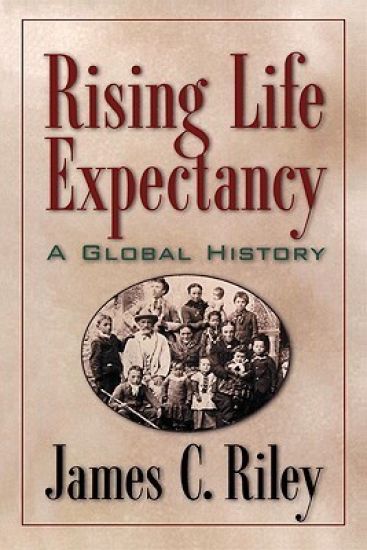
Between 1800 and 2000 life expectancy at birth rose from about 30 years to a global average of 67 years, and to more than 75 years in favored countries. This dramatic change, called the health transition, is characterized by a transition both in how long people expected to live, and how they expected to die. The most common age at death jumped from infancy to old age. Most people lived to know their children as adults, and most children became acquainted with their grandparents. Whereas earlier people died chiefly from infectious diseases with a short course, by later decades they died from chronic diseases, often with a protracted course. The ranks of people living in their most economically productive years filled out, and the old became commonplace figures everywhere. Rising Life Expectancy: A Global History examines the way humans reduced risks to their survival, both regionally and globally, to promote world population growth and population aging.
Poverty and Life Expectancy

Poverty and Life Expectancy

James C. Riley

Cambridge University Press
2005
sidottu
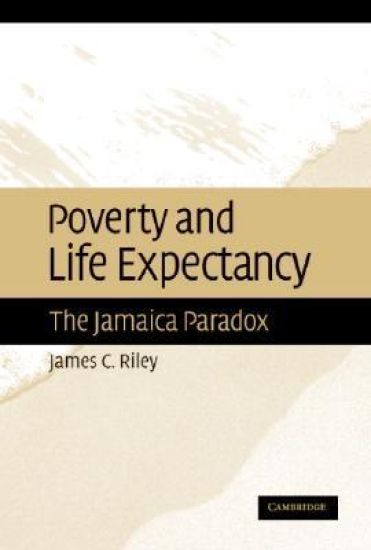
Poverty and Life Expectancy is a multidisciplinary study that reconstructs Jamaica's rise from low to high life expectancy and explains how that was achieved. Jamaica is one of the small number of countries that have attained a life expectancy nearly matching the rich lands, despite having a much lower level of per capita income. Why this is so is the Jamaica paradox. This book provides an answer, surveying possible explanations of Jamaica's rapid gains in life expectancy. The rich countries could invest large sums in reducing mortality, but Jamaica and other low-income countries had to find inexpensive means of doing so. Jamaica's approach especially emphasized that schoolchildren and their parents master lessons about how to manage disease hazards. This book also argues that low-income countries with high life expectancy, such as Jamaica, provide more realistic models as to how other poor countries where life expectancy remains low can improve survival.
The Seven Years War and the Old Regime in France

The Seven Years War and the Old Regime in France

James C. Riley

Princeton University Press
2014
pokkari
Taking French participation in the Seven Years War as a case study, this book examines the effects of war on the economy and on government finance, finding that the economic toll has usually been exaggerated and the financial toll seriously underestimated. Originally published in 1987. The Princeton Legacy Library uses the latest print-on-demand technology to again make available previously out-of-print books from the distinguished backlist of Princeton University Press. These editions preserve the original texts of these important books while presenting them in durable paperback and hardcover editions. The goal of the Princeton Legacy Library is to vastly increase access to the rich scholarly heritage found in the thousands of books published by Princeton University Press since its founding in 1905.
The Seven Years War and the Old Regime in France

The Seven Years War and the Old Regime in France

James C. Riley

Princeton University Press
2016
sidottu
Taking French participation in the Seven Years War as a case study, this book examines the effects of war on the economy and on government finance, finding that the economic toll has usually been exaggerated and the financial toll seriously underestimated. Originally published in 1987. The Princeton Legacy Library uses the latest print-on-demand technology to again make available previously out-of-print books from the distinguished backlist of Princeton University Press. These editions preserve the original texts of these important books while presenting them in durable paperback and hardcover editions. The goal of the Princeton Legacy Library is to vastly increase access to the rich scholarly heritage found in the thousands of books published by Princeton University Press since its founding in 1905.
Poverty and Life Expectancy

Poverty and Life Expectancy

James C. Riley

Cambridge University Press
2011
pokkari
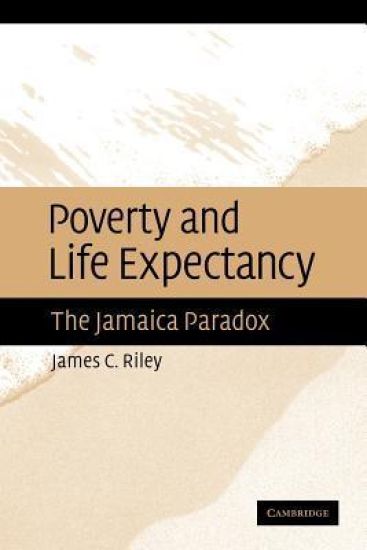
Poverty and Life Expectancy is a multidisciplinary study that reconstructs Jamaica's rise from low to high life expectancy and explains how that was achieved. Jamaica is one of the small number of countries that have attained a life expectancy nearly matching the rich lands, despite having a much lower level of per capita income. Why this is so is the Jamaica paradox. This book provides an answer, surveying possible explanations of Jamaica's rapid gains in life expectancy. The rich countries could invest large sums in reducing mortality, but Jamaica and other low-income countries had to find inexpensive means of doing so. Jamaica's approach especially emphasized that schoolchildren and their parents master lessons about how to manage disease hazards. This book also argues that low-income countries with high life expectancy, such as Jamaica, provide more realistic models as to how other poor countries where life expectancy remains low can improve survival.