Kirjojen hintavertailu. Mukana 11 244 527 kirjaa ja 12 kauppaa.

Kirjahaku

Etsi kirjoja tekijän nimen, kirjan nimen tai ISBN:n perusteella.

21 kirjaa tekijältä James L. Neibaur

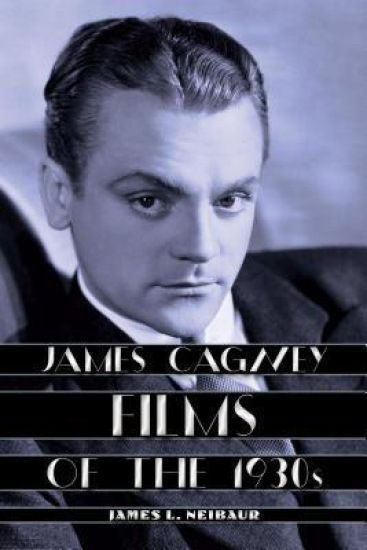
James Cagney Films of the 1930s

James Cagney Films of the 1930s

James L. Neibaur

Rowman Littlefield
2014
sidottu
One of the biggest stars of the golden age of Hollywood, James Cagney appeared in more than sixty films throughout his career. In addition to starring in the classics White Heat, Mister Roberts, and One, Two, Three, Cagney received the Academy Award for his performance as George M. Cohan in Yankee Doodle Dandy. From his debut in Sinner’s Holiday to one of his many gangster portrayals in The Roaring Twenties, the actor appeared in more than thirty films of the 1930s. Though he started out in supporting roles, Cagney quickly became a leading man and by the end of the decade, he was a box-office star. In James Cagney Films of the 1930s, James L. Neibaur reviews the first decade of the great actor’s work. A film-by-film look at Cagney’s movies during this pivotal period, this book traces the actor’s transition from a song-and-dance man on stage to a tough guy on screen. Although Cagney occasionally was able to deviate from studio typecasting—in such films as Footlight Parade and A Midsummer Night’s Dream—his most notable roles were in gangster dramas like The Public Enemy and Angels with Dirty Faces. Throughout this book, Neibaur provides readers with plot summaries, production details, and critical and commercial reception of each film. For fans of the actor’s work, James Cagney Films of the 1930s is an invaluable resource that will also appeal to anyone interested in movie-making during one of Hollywood’s greatest eras.
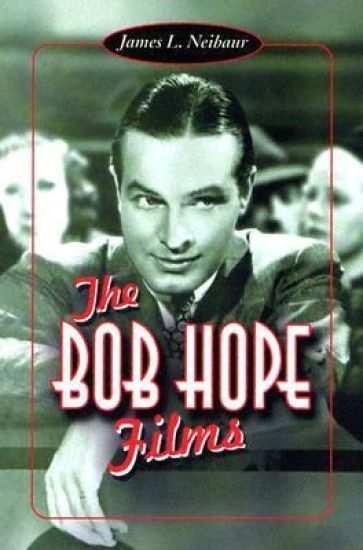
The Bob Hope Films

The Bob Hope Films

James L. Neibaur

McFarland Co Inc
2005
pokkari
Bob Hope got his start in show business when he was in his twenties, remained active past the age of 90, and lived to be 100. His longevity was remarkable, especially when one considers that he was active in vaudeville, radio, motion pictures and television. He excelled in each of these popular forms of entertainment, but his films are the most genuine testaments to his timeless comedy. His smart quips, fast pace, and breezy manner were perfect ingredients for the brand of comedy that was popular during World War II and the years immediately following the war. This book begins with a discussion of Bob Hope's early career and the short films that he starred in, and then covers each of the Hope films beginning with The Big Broadcast of 1938. The Hope films, the author says, do not have deep subtexts or clever cinematic innovations, but provide clever, uplifting entertainment that continues to inspire laughter and offer solid examples of the humor that made Americans smile during and after World War II. Cast and credit information is provided for each film.
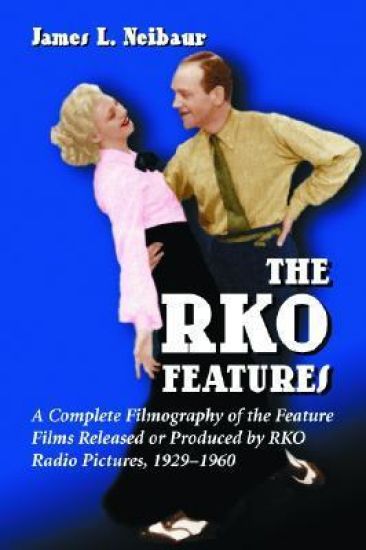
The RKO Features

The RKO Features

James L. Neibaur

McFarland Co Inc
2005
pokkari
Noted for its "B" westerns, RKO also produced several movie classics; two were Citizen Kane and Gunga Din. Comprehensive filmographic data are included here for all of the studio's features: title, year of release, production credits, cast, genre, running time, alternate titles, availability on videocassette, and plot synopsis. Many entries give background information on the film's production and stars.
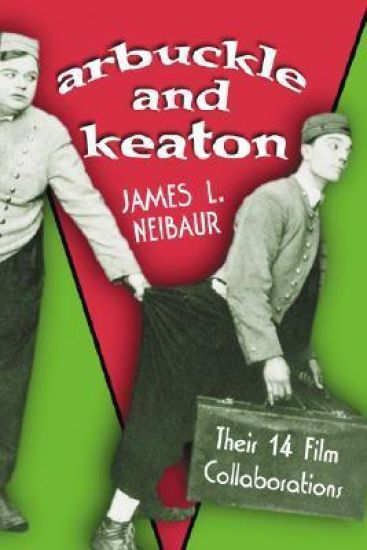
Arbuckle and Keaton

Arbuckle and Keaton

James L. Neibaur

McFarland Co Inc
2006
pokkari
"These films, with Arbuckle in his prime and Keaton beginning his magnificent career, were, until recently, unavailable. This is the first book to cover each film, from The Butcher Boy to The Garage. It includes information on plot, production and personnel, and covers the unique master-apprentice relationship between the two silent stars"--Provided by publisher.
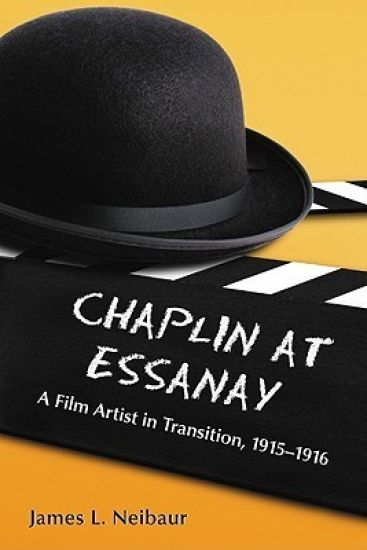
Chaplin at Essanay

Chaplin at Essanay

James L. Neibaur

McFarland Co Inc
2008
pokkari
When Charlie Chaplin left Keystone Studios for more money and greater creative control at Essanay Film Manufacturing Company, he added more depth to his character, more thought to his direction, and more substance to his humor: at Essanay, he grew from a comedian to a true cinematic artist. This work carefully examines all sixteen Chaplin comedies produced at Essanay--from His New Job (1915) to Triple Trouble (1918)--showing the artist in transition from the knockabout Keystone farces to more refined, sometimes brilliant Mutual productions.
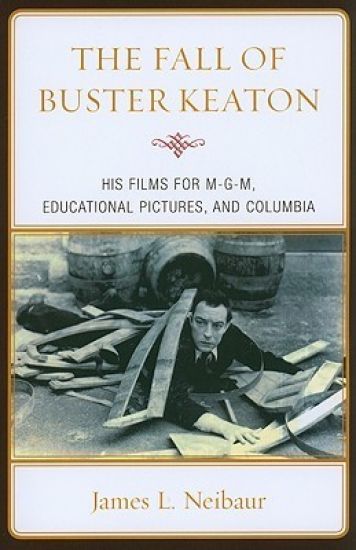
The Fall of Buster Keaton

The Fall of Buster Keaton

James L. Neibaur

Scarecrow Press
2010
nidottu
Born into a family of vaudevillians, Buster Keaton made his first film appearance in 1917 at the age of 21. By the early 1920s, he had established himself as one of the geniuses of silent cinema with such films as Sherlock, Jr. and The Navigator and his 1925 work, The General, placed at number 18 in the American Film Institute's poll of the 100 greatest features, the highest ranked silent film on the survey. But with the advent of sound in the late 1920s, silent stars like Keaton began to fall out of favor and the great comedian's career began to decline. In The Fall of Buster Keaton, James Neibaur assesses Keaton's work during the talking picture era, especially those made at MGM, Educational, and Columbia studios. While giving some attention to the early part of Keaton's career, Neibaur focuses on Keaton's contract work with the three studios, as well as his subsequent work as a gagman, supporting player, and television pitchman. The book also recounts the resurgence of interest in Keaton's silent work, which resulted in a lifetime achievement Oscar and worldwide recognition before his death in 1966. This fascinating account of an artist's struggle and triumph during the more challenging period of his career will be of interest to anyone wanting to learn about one of film's most influential performers.
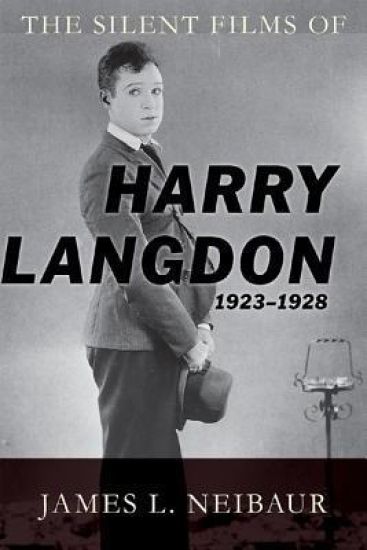
The Silent Films of Harry Langdon (1923-1928)

The Silent Films of Harry Langdon (1923-1928)

James L. Neibaur

Scarecrow Press
2012
sidottu
Harry Langdon was a silent screen comedian unlike any other. Slower in pace, more studied in movement, and quirkier in nature, Langdon challenged the comic norm by offering comedies that were frequently edgy and often surreal. After a successful run of short comedies with Mack Sennett, Langdon became his own producer at First National Pictures, making such features as Tramp Tramp Tramp, The Strong Man, and Long Pants before becoming his own director for Three's a Crowd, The Chaser, and Heart Trouble. In The Silent Films of Harry Langdon (1923-1928), film historian James Neibaur examines Langdon's strange, fascinating work during the silent era, when he made landmark films that were often ahead of their time. Extensively reviewing the comedian's silent screen work film by film, Neibaur makes the case that Langdon should be accorded the same lofty status as his contemporaries: Charlie Chaplin and Buster Keaton. With fascinating insights into the work of an under-appreciated artist, this book will be of interest to both fans and scholars of silent cinema.
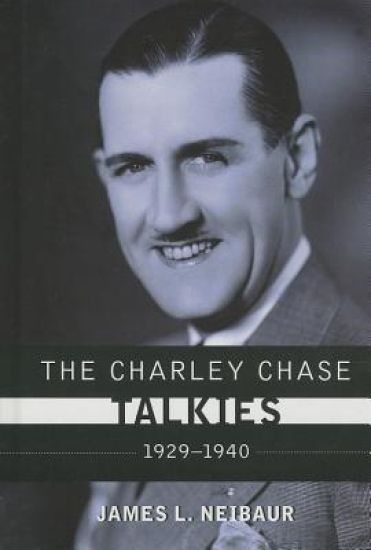
The Charley Chase Talkies

The Charley Chase Talkies

James L. Neibaur

Scarecrow Press
2013
sidottu
Charley Chase began his film career in early 1913 working as a comedian, writer, and director at the Al Christie studios under his real name, Charles Parrott. Chase then joined Mack Sennett's Keystone studio in 1914, costarring in early films of Charlie Chaplin and Roscoe “Fatty” Arbuckle, as well as directing the frenetic Keystone Cops. By 1924 he was starring in a series of one-reel comedies at Hal Roach studios, graduating to two-reel films the following year. In 1929, he made the transition to sound films. Along with the continuing popularity of his own short comedies, Chase often directed the films of others, including several popular Three Stooges efforts. In The Charley Chase Talkies: 1929-1940, James L. Neibaur examines, film-by-film, the comedian's seventy-nine short subjects at Roach and Columbia studios. The first book to examine any portion of Chase’s filmography, this volume discusses the various methods Chase employed in his earliest sound films, his variations on common themes, his use of music, and the modification of his character as he reached the age of forty. Neibaur also acknowledges the handful of feature film appearances Chase made during this period. A filmmaker whom Time magazine once declared was receiving the most fan mail of any comedian in movies, Charley Chase remains quite popular among classic film buffs, as well as historians and scholars. A detailed look into the work of an artist whose career straddled the silent and sound eras, The Charley Chase Talkies will be appreciated by those interested in film comedy of the 1920s and 30s.
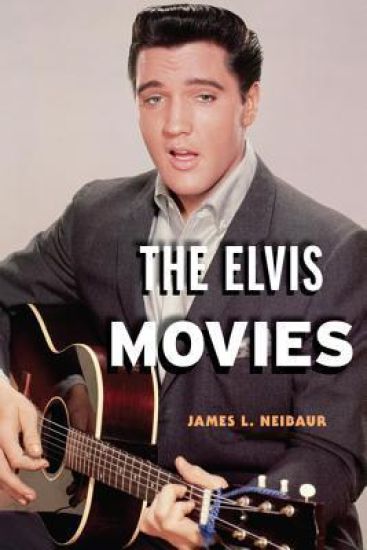
The Elvis Movies

The Elvis Movies

James L. Neibaur

Rowman Littlefield
2014
sidottu
Elvis Presley’s stature as the “King of Rock and Roll” will never be challenged. Between his first RCA hit single in 1956—the number-one smash “Heartbreak Hotel”—and his death in 1977, Elvis amassed more than 100 hits on the music charts. Presley’s dominance on the music chart was paralleled only by the singer’s motion picture career. Between 1956 and 1969, Elvis appeared in more than thirty films, further cementing his place as one of the most popular entertainers of the twentieth century. While there have been countless books that explore the real Elvis tucked beneath layers of showbiz mythology, such volumes often dismiss his motion picture career as insignificant or overlook his onscreen work entirely. In The Elvis Movies, James L. Neibaur looks at the thirty-one features that Presley made, from Love Me Tender in 1956 to Change of Habit in 1969. Most of these were star vehicles tailor-made for his image. As Neibaur points out, Elvis had a real interest in being a good actor, but his initial promise was soon thwarted by anti-creative decisions that sold a packaged version of the singer. Despite lapsing into a predictable formula of lightweight musicals, Elvis Presley’s star power ensured that the films became box office successes. Neibaur examines each film, providing information about their production and offering assessments about their value in general, as well as their place in the Presley canon. Additional details include behind-the-scenes personnel, costars, DVD availability, and featured hit songs. An entertaining and informative look at an often underrated aspect of the singer’s career, The Elvis Movies offers readers insight into his films. This volume will be a welcome resource to fans of the singer who want to know more about the King and his successful ventures on the big screen.
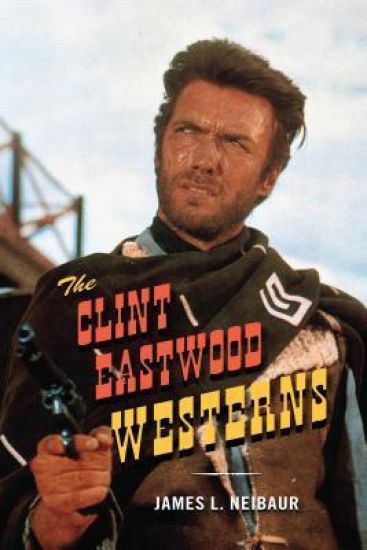
The Clint Eastwood Westerns

The Clint Eastwood Westerns

James L. Neibaur

Rowman Littlefield
2015
sidottu
While the western was a staple of cinema for many decades, the form began to fade as its greatest star, John Wayne, made fewer films of distinction toward the end of his career. In the mid-1960s, the genre was redefined by a handful of directors, including Don Siegel and Italian filmmaker Sergio Leone, who offered something edgier, bloodier, and more violent. Working with both directors was an actor who had made a name for himself on the small screen in the hit western Rawhide. While Clint Eastwood would also star in and direct a number of successes with contemporary settings, his work in westerns represents the most significant part of his film career. In The Clint Eastwood Westerns, James L. Neibaur takes a film-by-film look at each of the superstar’s signature works, from A Fistful of Dollars in 1964 to his modern-day classic Unforgiven, which earned him two Academy Awards, including best director. The author discusses in detail the production, impact, influences, and successes (both critical and commercial) of each film. In addition, Neibaur examines the continued success and influence of these works—how they redefined, challenged, and progressed the western genre. The book also features chapters that look at Eastwood’s other films in the context of his overall career. From the spaghetti westerns he made with Leone, including The Good, the Bad, and the Ugly, to his revisionist look at the Old West in Unforgiven, The Clint Eastwood Westerns shines a spotlight on some of the most thrilling films of the genre. For devotees of Eastwood—the actor or director—or simply fans of the western, this book is an entertaining look at one of Hollywood’s most enduring stars.
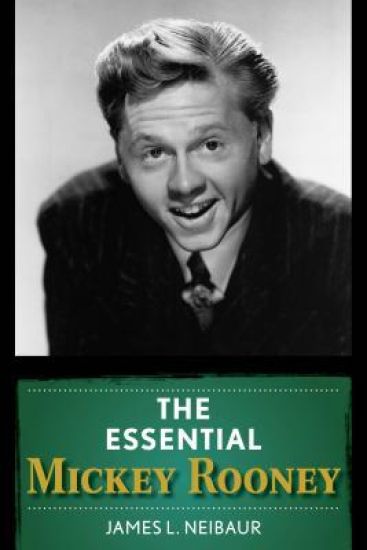
The Essential Mickey Rooney

The Essential Mickey Rooney

James L. Neibaur

Rowman Littlefield
2016
sidottu
Mickey Rooney is a cinematic icon whose career lasted from the silent era into the twenty-first century. From the shorts he made as Mickey McGuire to supporting roles in such films as Night at the Museum, Rooney had more than 300 film appearances to his credit. Mickey Rooney was not just a movie star, he was the most popular film performer for several years in a row in the 1930s. In addition to his four Academy Award nominations, Rooney received two special Oscars, including an honorary award for his variety of memorable performances spanning several decades. In The Essential Mickey Rooney, James L. Neibaur examines more than sixty feature films in which the actor appeared, from starring roles in Boys Town, Babes in Arms, and The Human Comedy to acclaimed supporting performances in The Bold and the Brave and The Black Stallion. In addition to familiar works like the Andy Hardy comedies or musicals opposite Judy Garland, lesser known films like Quicksand and Drive a Crooked Road are discussed as examples of the masterful performances he offered again and again. An actor of rare talent and unrestrained exuberance, Rooney appeared so often on film that it probably is impossible to view every performance of his career—one that lasted longer than any other actor in Hollywood. While minor roles are not discussed here, all of his vintage works are, making The Essential Mickey Rooney an indispensable resource for anyone wanting to learn more about the best work of this film icon.
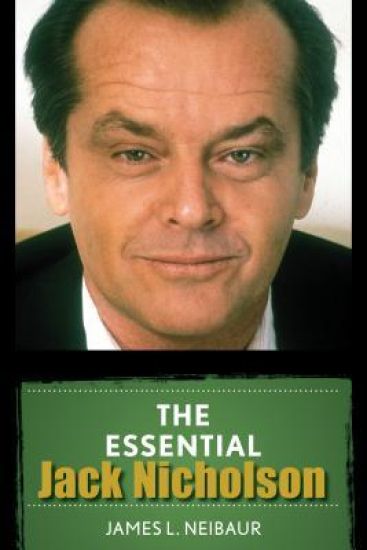
The Essential Jack Nicholson

The Essential Jack Nicholson

James L. Neibaur

Rowman Littlefield
2016
sidottu
For ten years Jack Nicholson toiled in low-budget films and guest spots in such television shows as Dr. Kildare and The Andy Griffith Show before his breakout performance in Easy Rider. Despite “retiring” in 2010, Nicholson remains one of the most revered actors of the last half century. Nominated for twelve Academy Awards—the most of any male actor—Nicholson has received three Oscars and countless other honors. The Essential Jack Nicholson looks at the key films in the career of one of Hollywood’s biggest stars. After a brief profile of the actor, James L. Neibaur highlights each of Nicholson’s most important works, explaining why his performances are essential viewing. In addition to Easy Rider, the films discussed include Five Easy Pieces, The Last Detail, Chinatown, One Flew over the Cuckoo’s Nest, The Shining, Reds, Terms of Endearment, Prizzi’s Honor, Ironweed, Batman, A Few Good Men, As Good as It Gets, About Schmidt, and The Departed. Neibaur also provides details about each film’s production, critical reaction, commercial reception, major nominations, and awards. A filmography of all of Nicholson’s movie roles (and select television performances) is also included. The Essential Jack Nicholson is a valuable source of information for fans of this iconic star and his films.
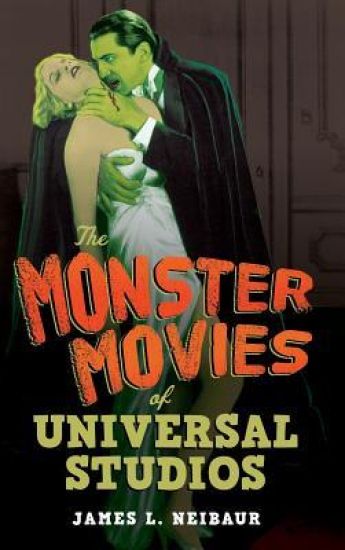
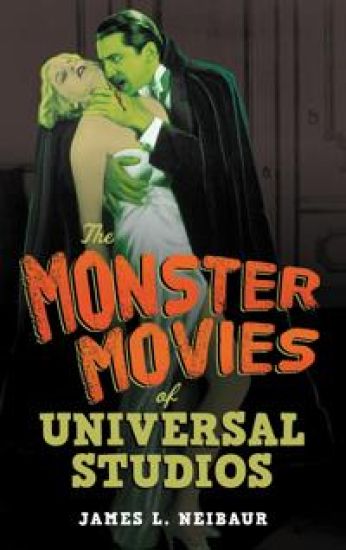
The Monster Movies of Universal Studios

The Monster Movies of Universal Studios

James L. Neibaur

Rowman Littlefield
2017
sidottu
In 1931 Universal Studios released Dracula starring Bela Lugosi. This box office success was followed by a string of films featuring macabre characters and chilling atmospherics, including Frankenstein, The Mummy, and The Invisible Man. With each new film, Universal established its place in the Hollywood firmament as the leading producer of horror films, a status it enjoyed for more than twenty years. In The Monster Movies of Universal Studios, James L. Neibaur examines the key films produced by the studio from the early 1930s through the mid-1950s. In each entry, the author recounts the movie’s production, provides critical commentary, considers the film’s commercial reception, and offers an overall assessment of the movie’s significance. Neibaur also examines the impact these films had on popular culture, an influence that resonates in the cinema of fear today. From the world premiere of Dracula to the 1956 release of The Creature Walks among Us, Universal excelled at scaring viewers of all ages—and even elicited a few chuckles along the way by pitting their iconic creatures against the comedic pair of Abbott and Costello. The Monster Movies of Universal Studios captures the thrills of these films, making this book a treat for fans of the golden age of horror cinema.
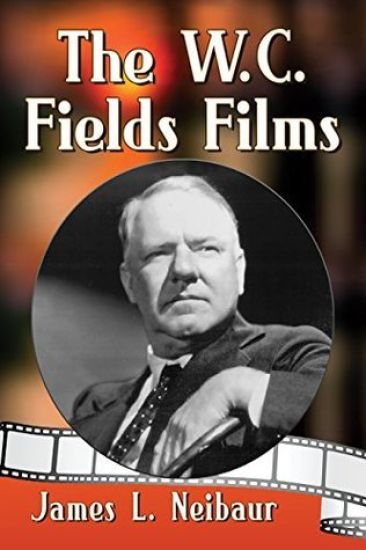
The W.C. Fields Films

The W.C. Fields Films

James L. Neibaur

McFarland Co Inc
2017
pokkari
W.C. Fields was at the top among comedians during Hollywood's Golden Era of the 1930s and 1940s and has since remained a comic icon. Despite his character's misanthropic, child-hating, alcoholic tendencies, his performances were enduringly popular and Fields became personally defined by them. This critical study of his work provides commentary and background on each of his films, from the early silents through the cameos near the end of his life, with fresh appraisals of his well known classics. Pictures once believed to be lost that have been discovered and restored are discussed, and new information is given on some that remain lost.
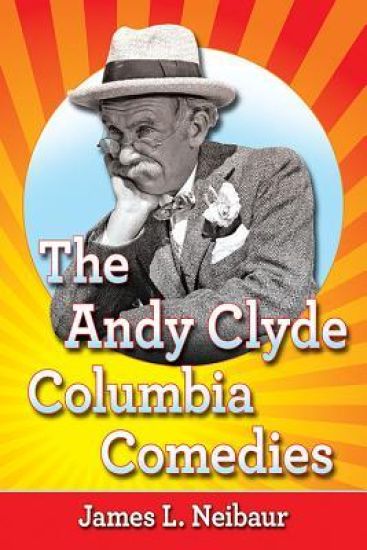
The Andy Clyde Columbia Comedies

The Andy Clyde Columbia Comedies

James L. Neibaur

McFarland Co Inc
2018
pokkari
Andy Clyde starred in the second-longest series of shorts at Columbia Pictures (after the Three Stooges), with nearly 80 productions from 1934 to 1956. This film-by-film analysis of Clyde's Columbia short comedies features introductory chapters on his early life, stage work, silent films and early talkies, as well as concluding chapters on his appearances in feature films--including several Hopalong Cassidy westerns--and his television roles on such shows as Lassie and The Real McCoys. Rare photos and graphics are included.
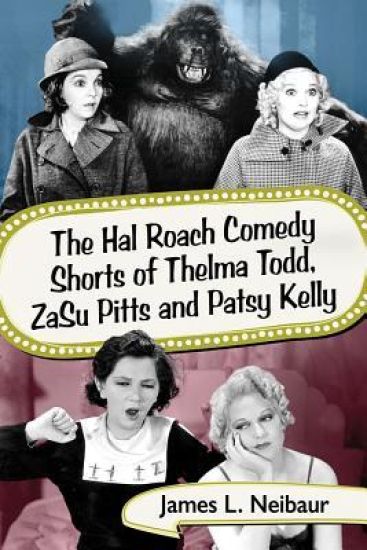
The Hal Roach Comedy Shorts of Thelma Todd, ZaSu Pitts and Patsy Kelly
?Hoping to follow his Laurel and Hardy success with a female comedy team, producer Hal Roach paired Thelma Todd with ZaSu Pitts in a 1931 series of two-reel shorts. Pitts left the studio for other pursuits, was replaced by Patsy Kelly and the series continued to be successful. Todd died under mysterious circumstances in 1935 and Kelly tried to carry on, first with Pert Kelton, then with Lyda Roberti. When Roberti died in 1938, the series ended. This book takes the first film-by-film look at each of the comedies these women made, how they responded to different directors and how production adapted to changes along the way. Credits, production information, period reviews, and critical assessments are included.
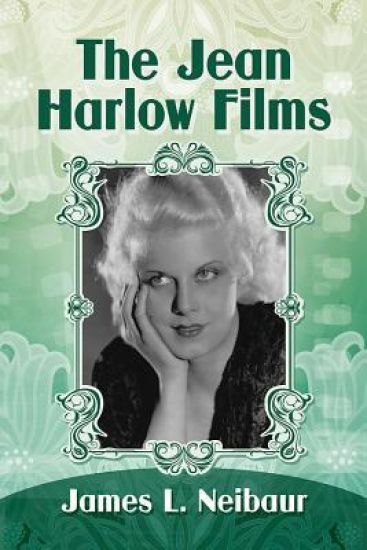
The Jean Harlow Films

The Jean Harlow Films

James L. Neibaur

McFarland Co Inc
2019
pokkari
One of the powerful icons of 1930s Hollywood film, Jean Harlow died a tragically early death in 1937 at age 26. During her brief career, she delivered memorable performances in such MGM classics as Red Dust (1932), Bombshell (1933), Dinner at Eight (1933) and Libeled Lady (1936), among others. Taking a film-by-film look at Harlow's work and her own impressions of her costars and directors, this retrospective traces her growth as an actress--from tentative supporting player to top star at a prestigious studio--and how her often tumultuous life informed her performances.
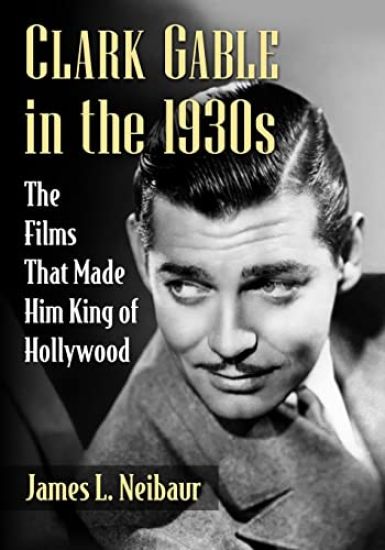
Clark Gable in the 1930s

Clark Gable in the 1930s

James L. Neibaur

McFarland Co Inc
2021
pokkari
The 1930s represented the strongest and most significant decade in Clark Gable's career. Later known as The King of Hollywood, Gable started out as a journeyman actor who quickly rose to the level of star, and then icon. With his ruggedly attractive looks and effortless charisma, Gable was the sort of manly romantic lead that bolstered features alongside the likes of Jean Harlow, Joan Crawford, and Spencer Tracy. The decade culminated with Gable's most noted movie, Gone With the Wind. This book traces Gable's early career, film-by-film, offering background information and a critical assessment of each of his movies released during the 1930s.
The Films of Judy Garland

The Films of Judy Garland

James L. Neibaur

MCFARLAND CO INC
2022
pokkari
Judy Garland was an entertainment icon whose performances on stage, screen and television had a tremendous impact across decades and media. This film-by-film study of her work follows her progression from pig-tailed child to a top motion picture star, with such timeless classics as The Wizard of Oz, Meet Me in St Louis, and A Star is Born. Garland's talent and versatility as an actress are explored through each of her movie roles. More than just a reference filmography, this work examines how Garland's talents were realized and understood by producers and the world. It analyzes the star's relatonships with various co-stars and directors and details how she balanced her painful insecurities with her often focused and driven approach to her work. Through the context of her work on film, Judy Garland's innate and enduring star power is readily appreciated and acknowledged.
The Monster Movies of Universal Studios

The Monster Movies of Universal Studios

James L. Neibaur

BLOOMSBURY PUBLISHING PLC
2023
nidottu
In 1931 Universal Studios released Dracula starring Bela Lugosi. This box office success was followed by a string of films featuring macabre characters and chilling atmospherics, including Frankenstein, The Mummy, and The Invisible Man. With each new film, Universal established its place in the Hollywood firmament as the leading producer of horror films, a status it enjoyed for more than twenty years.In The Monster Movies of Universal Studios, James L. Neibaur examines the key films produced by the studio from the early 1930s through the mid-1950s. In each entry, the author recounts the movie’s production, provides critical commentary, considers the film’s commercial reception, and offers an overall assessment of the movie’s significance. Neibaur also examines the impact these films had on popular culture, an influence that resonates in the cinema of fear today.From the world premiere of Dracula to the 1956 release of The Creature Walks among Us, Universal excelled at scaring viewers of all ages—and even elicited a few chuckles along the way by pitting their iconic creatures against the comedic pair of Abbott and Costello. The Monster Movies of Universal Studios captures the thrills of these films, making this book a treat for fans of the golden age of horror cinema.