Kirjojen hintavertailu. Mukana 12 406 416 kirjaa ja 12 kauppaa.

Kirjahaku

Etsi kirjoja tekijän nimen, kirjan nimen tai ISBN:n perusteella.

6 kirjaa tekijältä James Leggott

The Misfortunes of Alan Smith

The Misfortunes of Alan Smith

James Leggott

Independently Published
2019
pokkari
Alan Smith is unable to get a job because he has learning difficulties and is only saved from homelessness by unemployment benefits and his sister: Athena. But that will all change when politician Ivan Anton will propose to stop unemployment benefits to make people less lazy. Desperate to stop him, Alan will be thrown into a world of chaos and darkness. And when the world's most wanted person, Bob Random, enters the picture: everything will change.
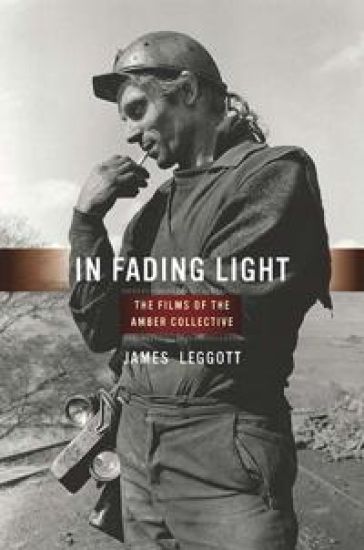
In Fading Light

In Fading Light

James Leggott

Berghahn Books
2020
sidottu
For over five decades, the Newcastle-based Amber Film and Photography Collective has been a critical (if often unheralded) force within British documentary filmmaking, producing a variety of innovative works focused on working-class society. Situating their acclaimed output within wider social, political, and historical contexts, In Fading Light provides an accessible introduction to Amber’s output from both national and transnational perspectives, including experimental, low-budget documentaries in the 1970s; more prominent feature films in the 1980s; studies of post-industrial life in the 1990s; and the distinctive perils and opportunities posed by the digital era.
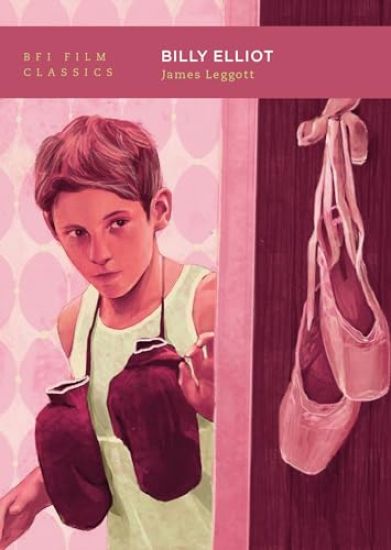
Billy Elliot

Billy Elliot

James Leggott

BLOOMSBURY PUBLISHING PLC
2025
nidottu
Set against the turbulent backdrop of the UK miners’ strike (1984–5), Billy Elliot (2000) follows eleven-year-old Billy as he pursues his dream of becoming a ballet dancer. Hailed for its heartfelt portrayal of working class life and its powerful challenge to gender stereotypes, Stephen Daldry’s film is recognised today as a significant contribution to the tradition of British social-realist cinema.James Leggott’s insightful study explores the creative forces behind Billy Elliot’s development, drawing from interviews with many of the core production team, such as the screenwriter Lee Hall, the choreographer Peter Darling and the composer Stephen Warbeck. Leggott identifies influences from the worlds of theatre, dance, photography and music, including inspirations specific to the North East of England, and calls attention to the film’s innate musicality in its bold and playful combinations of soundtrack and action, with songs by Marc Bolan and T. Rex, The Clash and The Jam among others. Tracing Billy Elliot’s global impact and its remarkable afterlife as a hit stage production, Leggott makes a case for the film’s enduring significance in British cinema history.
Contemporary British Cinema

Contemporary British Cinema

James Leggott

Wallflower Press
2008
nidottu
This volume offers a detailed and comprehensive analysis of British film culture from 1997 to the present. Using a wide range of films from the Blair era and beyond as case studies--from from Notting Hill (1999) and Billy Elliot (2000) to 28 Days Later (2002) and The Queen (2006)--it examines the ways in which recent British filmmaking might be regarded as distinctive, relevant and successful.
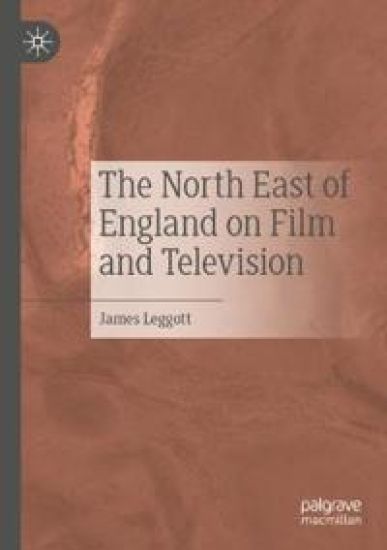
The North East of England on Film and Television

The North East of England on Film and Television

James Leggott

Springer Nature Switzerland AG
2021
sidottu
This book analyses the representation of North-East England in film and television. It is a response to the way a number of important British films and programmes—for example, Get Carter (1971), Whatever Happened to the Likely Lads (1973-74), Our Friends in the North (1996) and Billy Elliot (2000)—have used this particular setting to explore questions of class, identity and history. It argues for the significance and coherence of a North-East corpus of film and television through a series of case studies relating to specific eras or types of representation. These include regional writers working for television in the 1970s, the achievements of the workshop movement in the 1980s and works produced within the genres of documentary, crime drama, comedy, period drama and reality television. The book discusses how the communities and landscapes of the region have been used to explore processes of cultural change, and legacies of de-industrialisation.
The North East of England on Film and Television

The North East of England on Film and Television

James Leggott

Springer Nature Switzerland AG
2022
nidottu
This book analyses the representation of North-East England in film and television. It is a response to the way a number of important British films and programmes—for example, Get Carter (1971), Whatever Happened to the Likely Lads (1973-74), Our Friends in the North (1996) and Billy Elliot (2000)—have used this particular setting to explore questions of class, identity and history. It argues for the significance and coherence of a North-East corpus of film and television through a series of case studies relating to specific eras or types of representation. These include regional writers working for television in the 1970s, the achievements of the workshop movement in the 1980s and works produced within the genres of documentary, crime drama, comedy, period drama and reality television. The book discusses how the communities and landscapes of the region have been used to explore processes of cultural change, and legacies of de-industrialisation.