Kirjojen hintavertailu. Mukana 12 390 323 kirjaa ja 12 kauppaa.

Kirjahaku

Etsi kirjoja tekijän nimen, kirjan nimen tai ISBN:n perusteella.

17 kirjaa tekijältä James P. Sterba

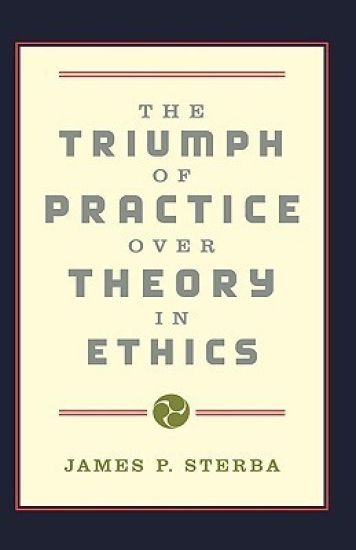
The Triumph of Practice over Theory in Ethics

The Triumph of Practice over Theory in Ethics

James P. Sterba

Oxford University Press Inc
2005
sidottu
This book combines the two most common approaches used to introduce students or general readers to ethics: the historical and the applied. Using these approaches, Sterba examines traditional ethical theories and disagreements, exploring Aristotelian, Kantian, and utilitarian ethics, as well as their contemporary defenders. But rather than focusing on formal aspects of these views, Sterba applies the best practical arguments from each of these perspectives to a variety of moral problems, such as sexual harassment, affirmative action, and international terrorism and the second Iraqi war.
The Triumph of Practice over Theory in Ethics

The Triumph of Practice over Theory in Ethics

James P. Sterba

Oxford University Press Inc
2004
nidottu
This book combines the two most common approaches used to introduce students or general readers to ethics: the historical and the applied. Using these approaches, Sterba examines traditional ethical theories and disagreements, exploring Aristotelian, Kantian, and utilitarian ethics, as well as their contemporary defenders. But rather than focusing on formal aspects of these views, Sterba applies the best practical arguments from each of these perspectives to a variety of moral problems, such as sexual harassment, affirmative action, and international terrorism and the second Iraqi war.
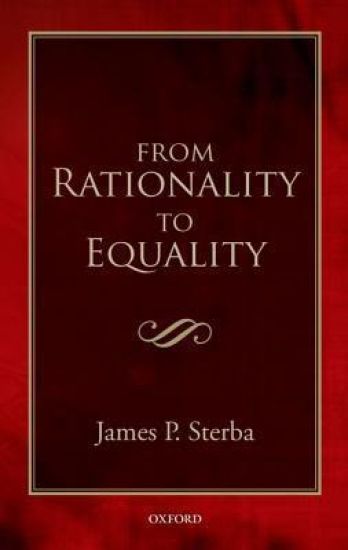
From Rationality to Equality

From Rationality to Equality

James P. Sterba

Oxford University Press
2014
nidottu
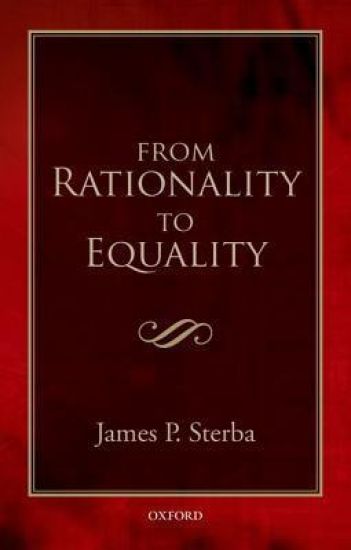
Most contemporary moral and political philosophers would like to have an argument showing that morality is rationally required. In From Rationality to Equality, James P. Sterba provides just such an argument and further shows that morality, so justified, requires substantial equality. His argument from rationality to morality is based on the principle of non-question-beggingness and has two forms. The first assumes that the egoist is willing to argue for egoism non-question-beggingly, and the second only assumes that the egoist is willing to assent to premises she actually needs to achieve her egoistic goals. Either way, he argues, morality is rationally (i.e., non-question-beggingly) preferable to egoism. Sterba's argument from morality to equality non-question-beggingly starts with assumptions that are acceptable from a libertarian perspective, the view that appears to endorse the least enforcement of morality, and then shows that this perspective requires a right to welfare which, when extended to distant peoples and future generations, leads to equality. He defends his two-part argument against recent critics, and shows how it is preferable not only to alternative attempts to justify morality, but also to alternative attempts to show that morality leads to a right to welfare and/or to equality.
From Rationality to Equality

From Rationality to Equality

James P. Sterba

Oxford University Press
2013
sidottu
Most contemporary moral and political philosophers would like to have an argument showing that morality is rationally required. In From Rationality to Equality, James P. Sterba provides just such an argument and further shows that morality, so justified, requires substantial equality. His argument from rationality to morality is based on the principle of non-question-beggingness and has two forms. The first assumes that the egoist is willing to argue for egoism non-question-beggingly, and the second only assumes that the egoist is willing to assent to premises she actually needs to achieve her egoistic goals. Either way, he argues, morality is rationally (i.e., non-question-beggingly) preferable to egoism. Sterba's argument from morality to equality non-question-beggingly starts with assumptions that are acceptable from a libertarian perspective, the view that appears to endorse the least enforcement of morality, and then shows that this perspective requires a right to welfare which, when extended to distant peoples and future generations, leads to equality. He defends his two-part argument against recent critics, and shows how it is preferable not only to alternative attempts to justify morality, but also to alternative attempts to show that morality leads to a right to welfare and/or to equality.
Morality

Morality

James P. Sterba

Routledge
2019
sidottu
This book invites philosophers and their students to consider two of the most fundamental questions in moral and political philosophy: Why be moral? And, what does morality require? Distinguished philosopher James P. Sterba presents his unique views on these topics. Sterba first argues from rationality to morality and then from morality to substantial equality. Prominent scholars Charles W. Mills, Candace A. Vogler, Anita Superson, Russ Shafer-Landau, Allan F. Gibbard, Gerald Gaus, and Tibor Machan provide thought-provoking critical responses. In the final part, Sterba addresses these critiques, inviting readers to explore the various arguments and reach their own conclusions on these fundamental questions of moral and political philosophy. Morality: The Why and What of It is an essential text for all students and scholars of ethics and political philosophy.
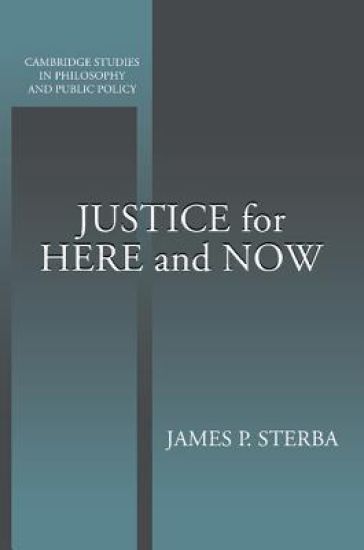
Justice for Here and Now

Justice for Here and Now

James P. Sterba

Cambridge University Press
1998
sidottu
This book conveys the breadth and interconnectedness of questions of justice - a rarity in contemporary moral and political philosophy. James P. Sterba argues that a minimal notion of rationality requires morality, and that a minimal libertarian morality requires the welfare and equal opportunity endorsee by welfare liberals and the equality endorsed by socialists, as well as a full feminist agenda. Feminist, racial, homosexual, and multicultural justice, are also shown to be mutually supporting. The author further shows the compatibility between anthropocentric and biocentric environmental ethics, as between just war and pacifist theories. Finally, he spells out when normal politics, legal protest, civil disobedience, revolutionary action, and criminal disobedience are morally permitted by justice for here and now. This highly original and potentially controversial book is ideal for courses in moral and political philosophy, applied ethics, women's studies, environmental studies, and peace studies.
Justice for Here and Now

Justice for Here and Now

James P. Sterba

Cambridge University Press
1998
pokkari
This book conveys the breadth and interconnectedness of questions of justice - a rarity in contemporary moral and political philosophy. James P. Sterba argues that a minimal notion of rationality requires morality, and that a minimal libertarian morality requires the welfare and equal opportunity endorsee by welfare liberals and the equality endorsed by socialists, as well as a full feminist agenda. Feminist, racial, homosexual, and multicultural justice, are also shown to be mutually supporting. The author further shows the compatibility between anthropocentric and biocentric environmental ethics, as between just war and pacifist theories. Finally, he spells out when normal politics, legal protest, civil disobedience, revolutionary action, and criminal disobedience are morally permitted by justice for here and now. This highly original and potentially controversial book is ideal for courses in moral and political philosophy, applied ethics, women’s studies, environmental studies, and peace studies.
Morality

Morality

James P. Sterba

Westview Press Inc
2012
nidottu
This book invites philosophers and their students to consider two of the most fundamental questions in moral and political philosophy: Why be moral? And, what does morality require? Distinguished philosopher James P. Sterba presents his unique views on these topics. Sterba first argues from rationality to morality and then from morality to substantial equality. Prominent scholars Charles W. Mills, Candace A. Vogler, Anita Superson, Russ Shafer-Landau, Allan F. Gibbard, Gerald Gaus, and Tibor Machan provide thought-provoking critical responses. In the final part, Sterba addresses these critiques, inviting readers to explore the various arguments and reach their own conclusions on these fundamental questions of moral and political philosophy. Morality: The Why and What of It is an essential text for all students and scholars of ethics and political philosophy.
The Pursuit of Justice

The Pursuit of Justice

James P. Sterba

Rowman Littlefield
2013
sidottu
The Pursuit of Justice: A Personal Philosophical History is a collection of renowned scholar and philosopher James P. Sterba’s finest works - essays spanning the full spectrum of his illustrious career along with new scholarship on the enduring struggle for justice we face as a society, and as individuals in the modern world. That struggle, or pursuit, may be ongoing, but – as this book details – it has come a long way, and that progress, however frustrating it may be to obtain and secure, is a testament to the work to which scholars like Sterba have devoted their lives and careers. In Sterba's case, that pursuit begins with an analysis of the concept of desert that is thought to be at the core of justice. It provides accounts of retributive and distributive justice, ands contains a response to the egoist who seeks to undermine any such endeavor. It broadens to include feminist justice, environmental justice, racial justice, and justice for distant peoples and future generations. It is a pursuit that all are invited, even required, to join and make their very own.
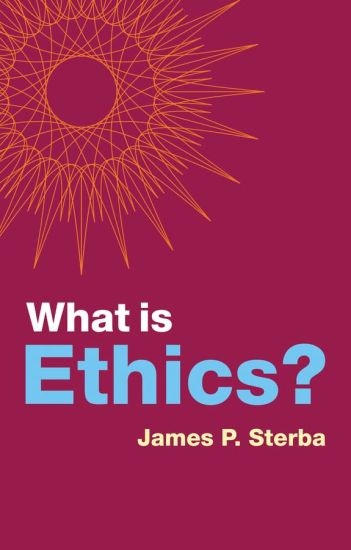
What is Ethics?

What is Ethics?

James P. Sterba

Polity Press
2019
sidottu
Ethics is a field of study that we all need. This is because we all make choices, and ethics is about the general norms that govern how we should make those choices. Not surprisingly, there is disagreement over what the “norms” are, but by working through such disagreement, we can learn how to make better choices. James P. Sterba presents a general overview of ethics, using relevant examples and accessible arguments. He takes up the question of why we should be ethical or moral, discusses competing ethical theories and proposes a way to reconcile them, and considers the relationship between ethics and religion. Ultimately, he reveals how the material discussed in the book can be used to make better ethical choices in our day-to-day lives. What is Ethics? is a book you can rely on to improve your ability to make ethical choices.
What is Ethics?

What is Ethics?

James P. Sterba

Polity Press
2019
nidottu
Ethics is a field of study that we all need. This is because we all make choices, and ethics is about the general norms that govern how we should make those choices. Not surprisingly, there is disagreement over what the “norms” are, but by working through such disagreement, we can learn how to make better choices. James P. Sterba presents a general overview of ethics, using relevant examples and accessible arguments. He takes up the question of why we should be ethical or moral, discusses competing ethical theories and proposes a way to reconcile them, and considers the relationship between ethics and religion. Ultimately, he reveals how the material discussed in the book can be used to make better ethical choices in our day-to-day lives. What is Ethics? is a book you can rely on to improve your ability to make ethical choices.
Is a Good God Logically Possible?

Is a Good God Logically Possible?

James P. Sterba

Springer Nature Switzerland AG
2019
nidottu
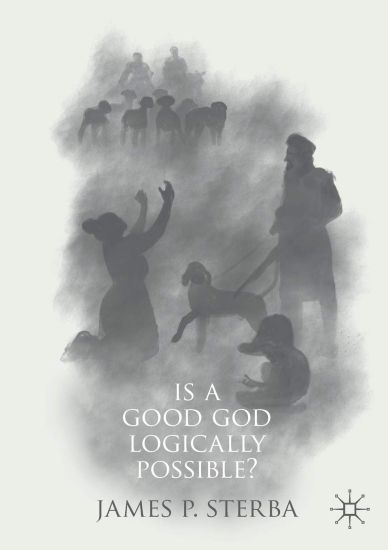
Using yet untapped resources from moral and political philosophy, this book seeks to answer the question of whether an all good God who is presumed to be all powerful is logically compatible with the degree and amount of moral and natural evil that exists in our world. It is widely held by theists and atheists alike that it may be logically impossible for an all good, all powerful God to create a world with moral agents like ourselves that does not also have at least some moral evil in it. James P. Sterba focuses on the further question of whether God is logically compatible with the degree and amount of moral and natural evil that exists in our world. The negative answer he provides marks a new stage in the age-old debate about God's existence.
Morality and Social Justice

Morality and Social Justice

James P. Sterba; Alison M. Jaggar; Carol C. Gould; Robert C. Solomon; Tibor R. Machan

Rowman Littlefield
1994
sidottu
These original essays by seven leading contemporary political philosophers spanning the political spectrum explore the possibility of achieving agreement in political theory. Each philosopher defends in a principal essay his or her own view of social justice and also comments on two or more of the other essays. The result is a lively exchange that leaves the reader to judge to what degree the contributors achieve agreement or reconciliation.
Morality and Social Justice

Morality and Social Justice

James P. Sterba; Alison M. Jaggar; Carol C. Gould; Robert C. Solomon; Tibor R. Machan

Rowman Littlefield
1994
nidottu
These original essays by seven leading contemporary political philosophers spanning the political spectrum explore the possibility of achieving agreement in political theory. Each philosopher defends in a principal essay his or her own view of social justice and also comments on two or more of the other essays. The result is a lively exchange that leaves the reader to judge to what degree the contributors achieve agreement or reconciliation.
Are Liberty and Equality Compatible?

Are Liberty and Equality Compatible?

Narveson Jan; James P. Sterba

Cambridge University Press
2010
sidottu
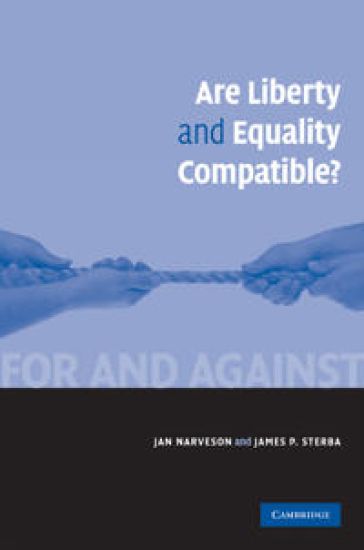
Are the political ideals of liberty and equality compatible? This question is of central and continuing importance in political philosophy, moral philosophy, and welfare economics. In this book, two distinguished philosophers take up the debate. Jan Narveson argues that a political ideal of negative liberty is incompatible with any substantive ideal of equality, while James P. Sterba argues that Narveson's own ideal of negative liberty is compatible, and in fact leads to the requirements of a substantive ideal of equality. Of course, they cannot both be right. Thus, the details of their arguments about the political ideal of negative liberty and its requirements will determine which of them is right. Engagingly and accessibly written, their debate will be of value to all who are interested in the central issue of what are the practical requirements of a political ideal of liberty.
Are Liberty and Equality Compatible?

Are Liberty and Equality Compatible?

Jan Narveson; James P. Sterba

Cambridge University Press
2012
pokkari
Are the political ideals of liberty and equality compatible? This question is of central and continuing importance in political philosophy, moral philosophy, and welfare economics. In this book, two distinguished philosophers take up the debate. Jan Narveson argues that a political ideal of negative liberty is incompatible with any substantive ideal of equality, while James P. Sterba argues that Narveson's own ideal of negative liberty is compatible, and in fact leads to the requirements of a substantive ideal of equality. Of course, they cannot both be right. Thus, the details of their arguments about the political ideal of negative liberty and its requirements will determine which of them is right. Engagingly and accessibly written, their debate will be of value to all who are interested in the central issue of what are the practical requirements of a political ideal of liberty.