Kirjojen hintavertailu. Mukana 12 083 983 kirjaa ja 12 kauppaa.

Kirjahaku

Etsi kirjoja tekijän nimen, kirjan nimen tai ISBN:n perusteella.

4 kirjaa tekijältä James Smethurst

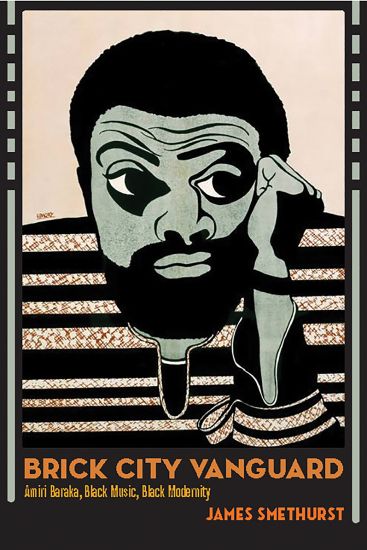
Behold the Land

Behold the Land

James Smethurst

The University of North Carolina Press
2021
sidottu
In the mid-1960s, African American artists and intellectuals formed the Black Arts movement in tandem with the Black Power movement, with creative luminaries like Amiri Baraka, Gwendolyn Brooks, Toni Cade Bambara, and Gil Scott-Heron among their number. In this follow-up to his award-winning history of the movement nationally, James Smethurst investigates the origins, development, maturation, and decline of the vital but under-studied Black Arts movement in the South from the 1960s until the early 1980s. Traveling across the South, he chronicles the movement's radical roots, its ties to interracial civil rights organizations on the Gulf Coast, and how it thrived on college campuses and in southern cities. He traces the movement's growing political power as well as its disruptive use of literature and performance to advance Black civil rights.Though recognition of its influence has waned, the Black Arts movement's legacy in the South endures through many of its initiatives and constituencies. Ultimately, Smethurst argues that the movement's southern strain was perhaps the most consequential, successfully reaching the grassroots and leaving a tangible, local legacy unmatched anywhere else in the United States.
Behold the Land

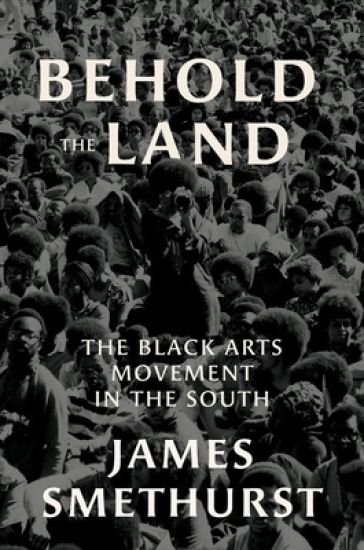
Behold the Land

James Smethurst

The University of North Carolina Press
2021
pokkari
In the mid-1960s, African American artists and intellectuals formed the Black Arts movement in tandem with the Black Power movement, with creative luminaries like Amiri Baraka, Gwendolyn Brooks, Toni Cade Bambara, and Gil Scott-Heron among their number. In this follow-up to his award-winning history of the movement nationally, James Smethurst investigates the origins, development, maturation, and decline of the vital but under-studied Black Arts movement in the South from the 1960s until the early 1980s. Traveling across the South, he chronicles the movement's radical roots, its ties to interracial civil rights organizations on the Gulf Coast, and how it thrived on college campuses and in southern cities. He traces the movement's growing political power as well as its disruptive use of literature and performance to advance Black civil rights.Though recognition of its influence has waned, the Black Arts movement's legacy in the South endures through many of its initiatives and constituencies. Ultimately, Smethurst argues that the movement's southern strain was perhaps the most consequential, successfully reaching the grassroots and leaving a tangible, local legacy unmatched anywhere else in the United States.
Brick City Vanguard

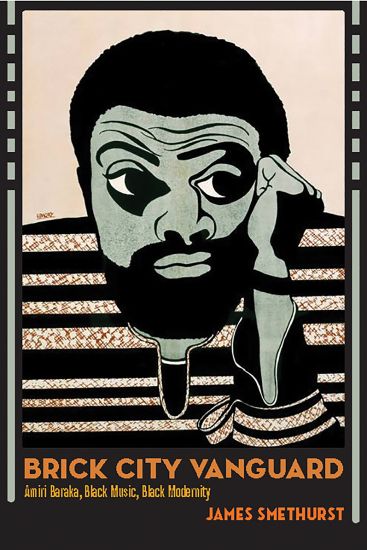
Brick City Vanguard

James Smethurst

University of Massachusetts Press
2020
sidottu
Amiri Baraka is unquestionably the most recognized leader of the Black Arts Movement of the 1960s and 1970s, and one of the key literary and cultural figures of the postwar United States. While Baraka's political and aesthetic stances changed considerably over the course of his career, Brick City Vanguard demonstrates the continuity in his thinking about the meaning of black music in the material, psychic, and ideological development of black people. Drawing on primary texts, paratexts (including album liner notes), audio and visual recordings, and archival sources, James Smethurst takes a new look at how Baraka's writing on and performance of music envisioned the creation of an African American people or nation, as well as the growth and consolidation of a black working class within that nation, that resonates to this day. This vision also provides a way of understanding the encounter of black people with what has been called ""the urban crisis"" and a projection of a liberated black future beyond that crisis.
Brick City Vanguard

Brick City Vanguard

James Smethurst

University of Massachusetts Press
2020
nidottu
Amiri Baraka is unquestionably the most recognized leader of the Black Arts Movement of the 1960s and 1970s, and one of the key literary and cultural figures of the postwar United States. While Baraka's political and aesthetic stances changed considerably over the course of his career, Brick City Vanguard demonstrates the continuity in his thinking about the meaning of black music in the material, psychic, and ideological development of black people. Drawing on primary texts, paratexts (including album liner notes), audio and visual recordings, and archival sources, James Smethurst takes a new look at how Baraka's writing on and performance of music envisioned the creation of an African American people or nation, as well as the growth and consolidation of a black working class within that nation, that resonates to this day. This vision also provides a way of understanding the encounter of black people with what has been called ""the urban crisis"" and a projection of a liberated black future beyond that crisis.