Kirjojen hintavertailu. Mukana 11 342 296 kirjaa ja 12 kauppaa.

Kirjahaku

Etsi kirjoja tekijän nimen, kirjan nimen tai ISBN:n perusteella.

8 kirjaa tekijältä Jamie Benidickson

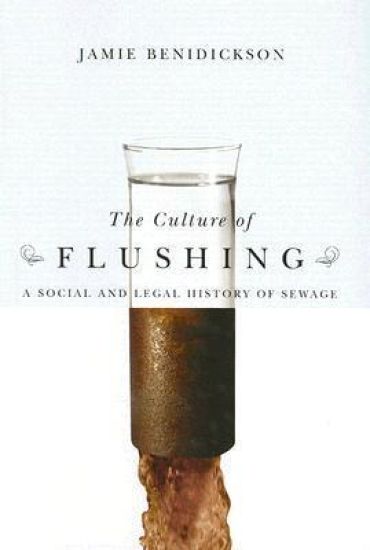
The Culture of Flushing

The Culture of Flushing

Jamie Benidickson

University of British Columbia Press
2007
sidottu
To most, the flush of a toilet is routine: the way we banish waste and ensure cleanliness. It is safe, efficient, necessary, nonpolitical, and utterly unremarkable. Yet Jamie Benidickson's examination of the social and legal history of sewage in Canada, the United States, and the United Kingdom demonstrates that the uncontroversial reputation of flushing is deceptive. The Culture of Flushing is particularly relevant in a time when community water quality can no longer be taken for granted, as it investigates and clarifies the murky evolution of waste treatment.The Culture of Flushing is essential reading for specialists in environmental history, environmental law, public health, engineering, and public policy. Those concerned with protecting water quality and the environment will also find it unique, comprehensive, and accessible.
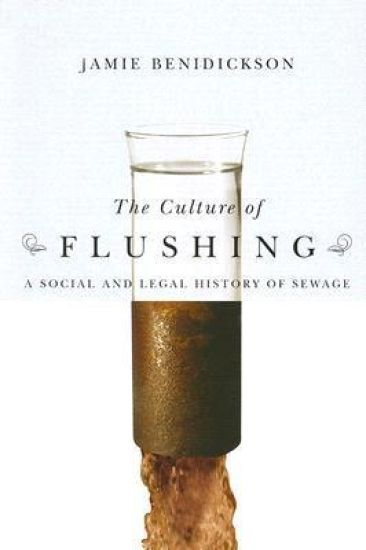
The Culture of Flushing

The Culture of Flushing

Jamie Benidickson

University of British Columbia Press
2007
pokkari
To most, the flush of a toilet is routine: the way we banish waste and ensure cleanliness. It is safe, efficient, necessary, nonpolitical, and utterly unremarkable. Yet Jamie Benidickson's examination of the social and legal history of sewage in Canada, the United States, and the United Kingdom demonstrates that the uncontroversial reputation of flushing is deceptive. The Culture of Flushing is particularly relevant in a time when community water quality can no longer be taken for granted, as it investigates and clarifies the murky evolution of waste treatment.The Culture of Flushing is essential reading for specialists in environmental history, environmental law, public health, engineering, and public policy. Those concerned with protecting water quality and the environment will also find it unique, comprehensive, and accessible.
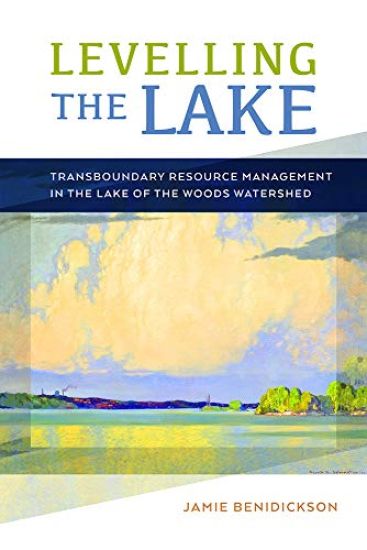
Levelling the Lake

Levelling the Lake

Jamie Benidickson

University of British Columbia Press
2019
sidottu
Stretching across Ontario, Manitoba, and Minnesota, the Lake of the Woods and Rainy Lake basin spans boundaries and jurisdictions. Levelling the Lake explores a century and a half of social, economic, and legal arrangements through which the resources and environment of the Lake of the Woods and Rainy Lake watershed have been harnessed and harmed. Jamie Benidickson traces the environmental consequences of mining, forest industries, commercial fishing, hydro-electricity production, and recreation, as well as their often unanticipated impacts on local residents, including Indigenous communities, which encouraged new legal and institutional responses. Assessing the transition from primary resource extraction toward sustainable development at a watershed level, Levelling the Lake also shows how interjurisdictional and transboundary issues – many involving the Canada-US International Joint Commission – continue to play a significant role throughout the region.
Levelling the Lake

Levelling the Lake

Jamie Benidickson

University of British Columbia Press
2019
pokkari
Stretching across Ontario, Manitoba, and Minnesota, the Lake of the Woods and Rainy Lake basin spans boundaries and jurisdictions. Levelling the Lake explores a century and a half of social, economic, and legal arrangements through which the resources and environment of the Lake of the Woods and Rainy Lake watershed have been harnessed and harmed. Jamie Benidickson traces the environmental consequences of mining, forest industries, commercial fishing, hydro-electricity production, and recreation, as well as their often unanticipated impacts on local residents, including Indigenous communities, which encouraged new legal and institutional responses. Assessing the transition from primary resource extraction toward sustainable development at a watershed level, Levelling the Lake also shows how interjurisdictional and transboundary issues – many involving the Canada-US International Joint Commission – continue to play a significant role throughout the region.
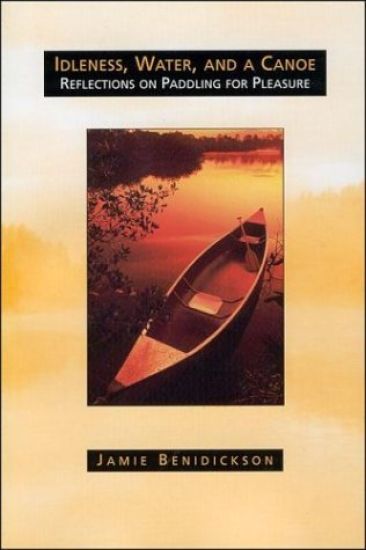
Idleness, Water, and a Canoe

Idleness, Water, and a Canoe

Jamie Benidickson

University of Toronto Press
1997
pokkari
In the spring of 1940, subscribers to Queen's Quarterly read that the 'ingredients of a holiday in Canada are idleness, water, and a canoe.' This statement bears witness to the enduring importance of the canoe generations after the decline of the North American fur trade. Jamie Benidickson explains that the canoe's merit lies not strictly in its function as a transportation vehicle, but in its promise of unrestricted mobility, leisure, and independence. Idleness, Water, and a Canoe is a study of the place of the canoe in Canadian life, with comparative references to the United States and Britain. A blend of history, economic analysis, technical information, and social commentary, it examines the rise of the canoe's popularity and its influence on leisure activity, economics and tourism, and literature and advertising in this country. Drawing on books, newspaper articles, original records, unusual ephemera, and interviews with paddlers, the author describes the evolution and cultural significance of two centuries of recreational paddling. He explores why canoeists have constantly sought new summer waterways, how they have practised their craft, and how much influence paddling for pleasure has had on them and on the societies in which they live. The many facets of recreational paddling are illustrated and described in a series of reflections on subjects ranging from the paddler's quest for physical and emotional renewal to what the future holds for voyageurs and their sport. Benidickson also discusses the evolution of canoe design and manufacturing, the formation of canoe clubs and organizations, the economics of recreational travel, and the paddler's role in environmental protection. Not only will this book appeal to those interested in history, sociology, aesthetics, geography, and sports and leisure studies, but its broad scope and accessible style will recommend it to the many outdoor enthusiasts who plan yearly canoeing trips.
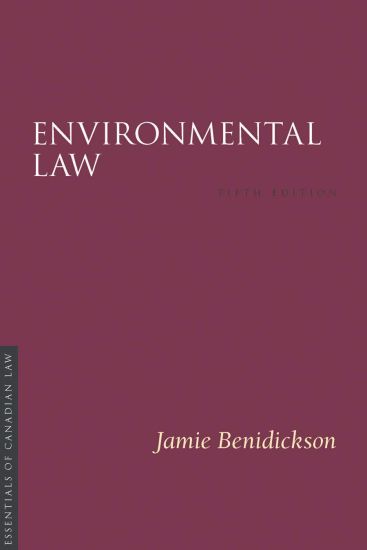
Environmental Law 5/e

Environmental Law 5/e

Jamie Benidickson

IRWIN LAW INC
2019
pokkari
While continuing to provide a comprehensive introductory guide to environmental law in Canada, this fifth edition of Environmental Law incorporates discussion of recent developments in environmental litigation and regulation alongside reference to key statutory developments from the past half decade. In addition, important updates and revisions highlight significant developments in several central areas, notably federal and provincial climate change action following the 2015 Paris Agreement and issues associated with Aboriginal consultation, the United Nations Declaration on the Rights of Indigenous Peoples, and traditional environmental knowledge. Essential developments relating to human rights and the environment at both the national and international levels have been included alongside discussion of changes in environmental valuation and compensation, liability for spills and remediation, and polluter-pays jurisprudence. Recent judicial and administrative decisions affecting environmental assessment and involving NAFTA prior to the 2018 round of Canada-US-Mexico negotiations are also covered. Chapters on toxic substances, protected areas, endangered species, and economic incentives for environmental protection also reflect current legal activity and policy proposals.
Environmental Law in Canada

Environmental Law in Canada

Jamie Benidickson

Kluwer Law International
2023
pokkari
Derived from the renowned multi-volume International Encyclopaedia of Laws, this book provides ready access to legislation and practice concerning the environment in Canada. A general introduction covers geographic considerations, political, social and cultural aspects of environmental study, the sources and principles of environmental law, environmental legislation, and the role of public authorities. The main body of the book deals first with laws aimed directly at protecting the environment from pollution in specific areas such as air, water, waste, soil, noise, and radiation. Then, a section on nature and conservation management covers protection of natural and cultural resources such as monuments, landscapes, parks and reserves, wildlife, agriculture, forests, fish, subsoil, and minerals. Further treatment includes the application of zoning and land-use planning, rules on liability, and administrative and judicial remedies to environmental issues. There is also an analysis of the impact of international and regional legislation and treaties on environmental regulation. Its succinct yet scholarly nature, as well as the practical quality of the information it provides, make this book a valuable resource for environmental lawyers handling cases affecting Canada. Academics and researchers, as well as business investors and the various international organizations in the field, will welcome this very useful guide, and will appreciate its value in the study of comparative environmental law and policy.