
Kirjahaku
Etsi kirjoja tekijän nimen, kirjan nimen tai ISBN:n perusteella.
5 kirjaa tekijältä Jamie Stuart

The fascination of a kaleidoscope attracts the attention of adult and child alike; individual pieces fall together to form an attractive pattern. The first part of the Bible, the Old Testament, is just such a kaleidoscope of word pictures - tales told and retold down through the centuries. The language can change, order can be rearranged, but the stories remain the same. From the startling colours of Joseph's coat to the poignancy of the story of Ruth, Jamie Stuart has Used the language of today to make the colour of each tale sparkle afresh. His kaleidoscope produces a picture that is fascinating and compelling.

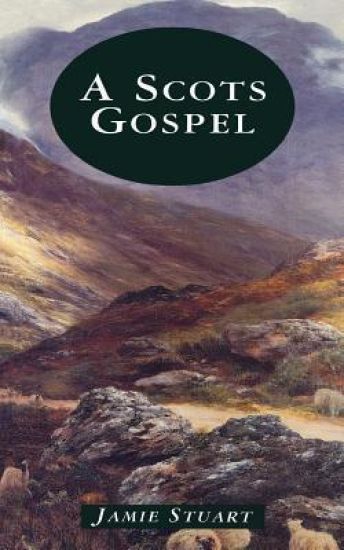
Lovingly captured in the lively and colourful Glasgow vernacular, the Old and New Testaments are rejuvenated in this great bestselling classic of Scottish writing. ‘From “no mean city” has come no mean achievement, a triumph of imagination and graphic writing which will be welcome far beyond Glasgow. I’ll be surprised if it does not whet your appetite to go back to the Bible and discover, or rediscover, for yourself the riches it contains.’ Professor Robert Davidson Acclaimed as ‘the Scottish publishing event of the year’ (Evening Times) and a ‘work of love’ (The Herald).

Money, power, marriage, friendship, health, sleep, jealousy, war, peace, eternity: the ancient wisdom of Solomon in the 21st-century language of the Scottish patter. Full-to-the-brim of pithy wisdom, this expressive book will appeal to all who enjoy the richness of the Scots tongue. Injecting life into these ancient wise words, Jamie Stuart’s language of the people connects the down-to-earth Scots character with the practical relevance today of the wisdom of Solomon.

Film audiences have grown used to seeing female characters in "performance roles," singing or dancing on stages in nightclubs, musical arenas, or theaters--performing their "femaleness" for the fictional audience as well as the film viewing audience. But queer women in film perform on yet another level. In addition to performing their gender for the world, they also perform their sexuality for either a general or an "insider" audience, in ways that can be read to establish a queer visibility, to establish a sense of community, or to show romantic lesbian interest. This work examines "performance spaces" for lesbian identities in films, evaluating how queer femaleness is signified in contemporary cinema. It studies five films in particular: When Night Is Falling, Better Than Chocolate, Tipping the Velvet, Slaves to the Underground, and Prey for Rock and Roll. Through close textual analysis, evaluations of the conditions under which each film was produced and received, and dozens of audience surveys, it reveals much about both the story worlds of the films and the ways that queer women react to and feel about them.