Kirjojen hintavertailu. Mukana 11 699 587 kirjaa ja 12 kauppaa.

Kirjahaku

Etsi kirjoja tekijän nimen, kirjan nimen tai ISBN:n perusteella.

12 kirjaa tekijältä Jan Anderson

Forests

Forests

Jan Anderson

Cengage Learning Australia
2001
nidottu
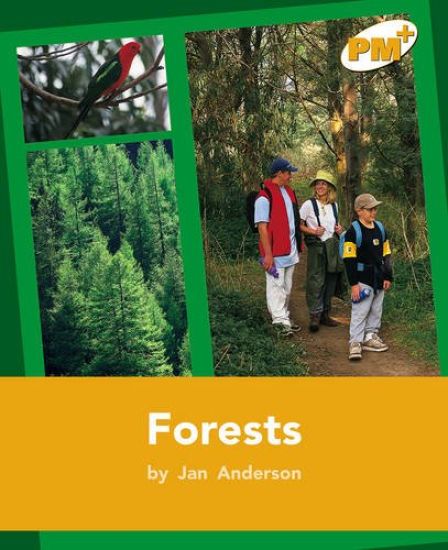
Forests provide us with natural resources upon which people, animals and plant life depend. This text explores how the landscape, and all those who depend upon it, would be affected if our forests were destroyed. Text forms include an email and a procedural text.
Mountains, Hills and Cliffs

Mountains, Hills and Cliffs

Jan Anderson

Cengage Learning Australia
2001
nidottu
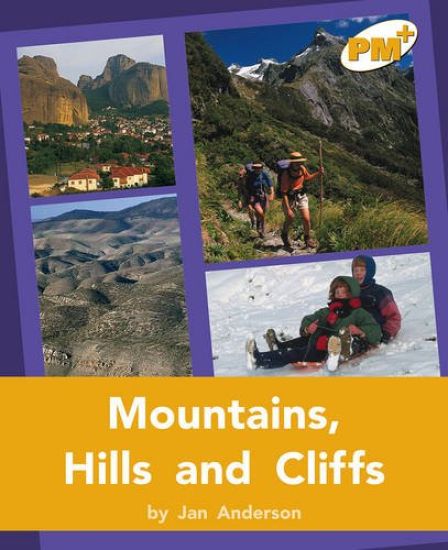
Mountains form some of the worlds largest and most dramatic landforms, and are where most of our rivers start. They are a venue for many recreational activities and a challenge for people who climb them. Text forms include explanations, verse and procedural writing.
Rivers, Streams and Lakes

Rivers, Streams and Lakes

Jan Anderson

Cengage Learning Australia
2001
nidottu
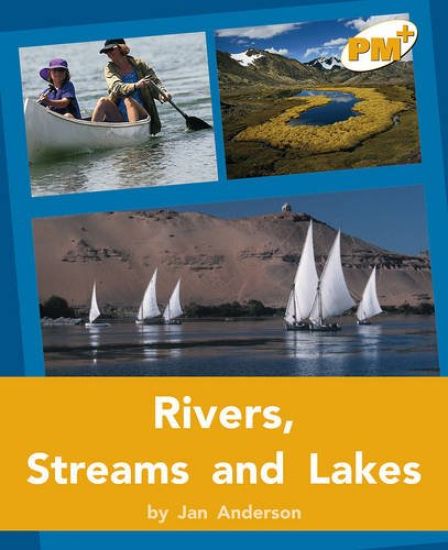
Rivers, streams and lakes are important natural environments that are used in many different ways. They can provide essential drinking water, can be harnessed for electricity or enjoyed by people for recreational activities. Text forms include a recount and a poster.
Oceans, Seas and Coasts

Oceans, Seas and Coasts

Jan Anderson

Cengage Learning Australia
2001
nidottu
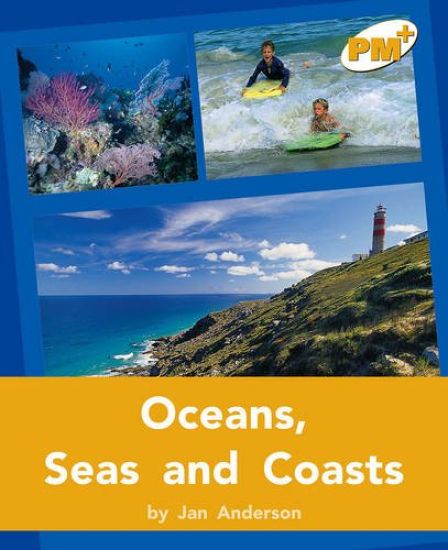
Oceans and seas are large areas of salty water that cover most of the earth's surface. They are an important resource for commercial and recreational pursuits. Text forms include a newspaper article and a recount.
Deserts

Deserts

Jan Anderson

Cengage Learning Australia
2001
nidottu
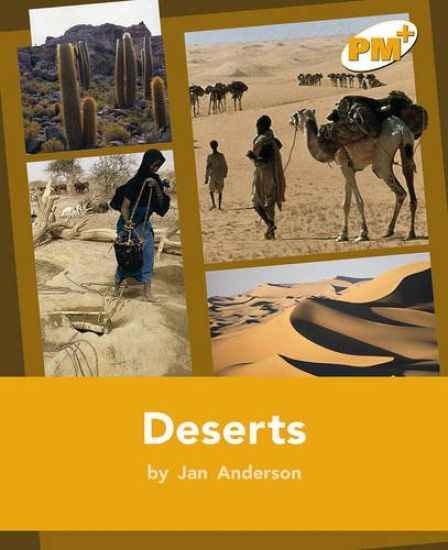
Most deserts are very dry places, with very hot weather during the day, however, at night deserts can be freezing cold, people, plants and animals have learned how to survive in these extreme environments. Text forms include explanations and letter writing.
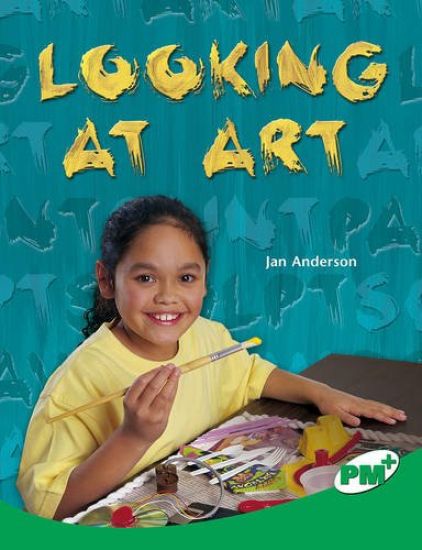
Looking At Art

Looking At Art

Jan Anderson

Cengage Learning Australia
2002
nidottu
Technology has become an important part of art. Many artists use computers to help them create pictures. Videos are used in modern sculptures installations. The materials used to create paintings or sculptures have developed over the years, from watercolour and oil paints to acrylics, and from stone and metals to plastics. Special machines are used to protect the artworks in art galleries, and also to restore old or damaged works. However, as sophisticated as technology has enabled the art world to be, art can still be created using recycled objects such as soup cans and plastic cups.
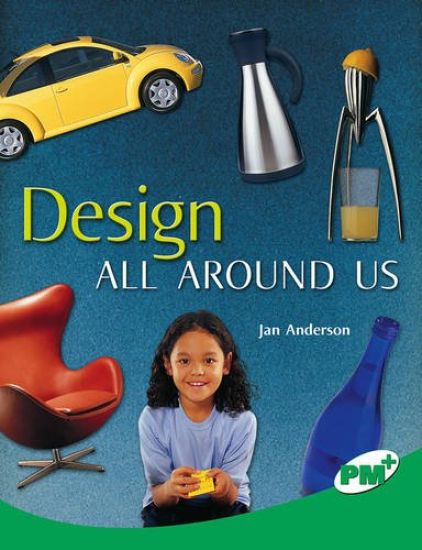
Design All Around Us

Design All Around Us

Jan Anderson

Cengage Learning Australia
2002
nidottu
Good design is not just about how things look its also about how they are made, how they work and what they do. Technology plays a big part in design. In the past century, new technology has helped people to create many products, using new materials and processes. Everyday objects such as chairs and appliances, houses, public spaces and packaging have all benefited from good design.
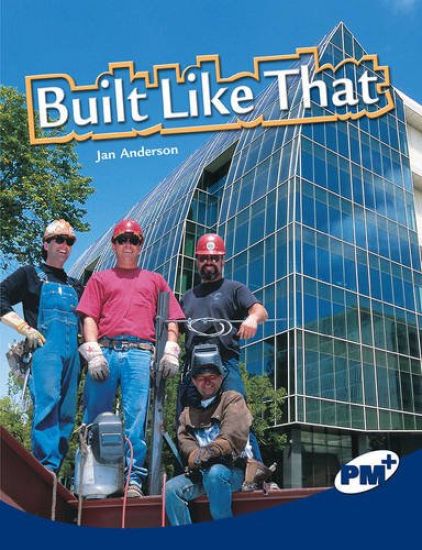
Built Like That

Built Like That

Jan Anderson

Cengage Learning Australia
2003
nidottu
This book looks at how buildings are constructed: the people involved, the materials used, how they are put together, skyscrapers, the machinery used, eco-friendly buildings and famous buildings.
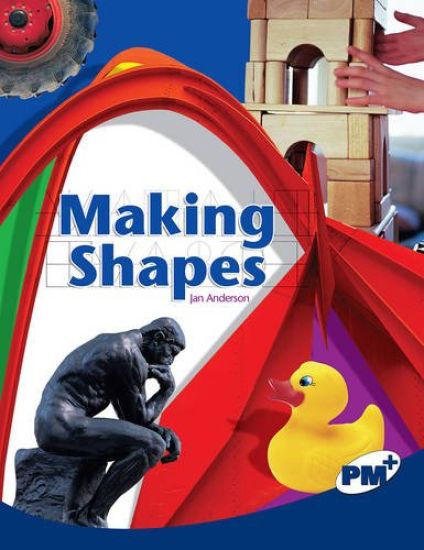
Making Shapes

Making Shapes

Jan Anderson

Cengage Learning Australia
2003
nidottu
Objects all round us are made in different shapes. This book examines why objects are made in a particular shape and how they are made. It also looks at what materials are used: clay, wood, wool, cotton, rubber, metals, glass and plastics.
Changing Cultures

Changing Cultures

Jan Anderson

Cengage Learning Australia
2004
nidottu
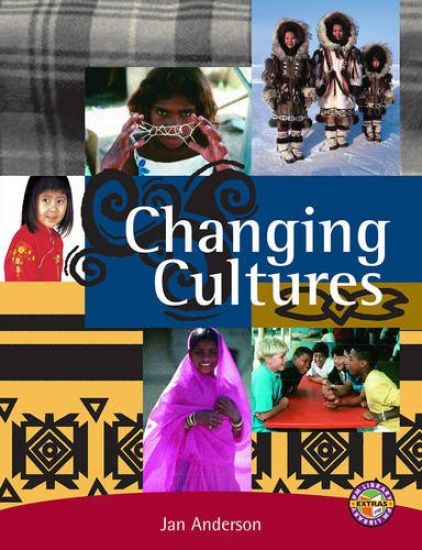
Societies today have a diversity of cultures. This factual text explores these cultres and varied traditions, including Australian bush foods, Japanese tea ceremonies, Scottish and Chinese New Year celebrations, Italian and German Christmas celebrations, and Thanksgiving in the United States. The importance of national dress, languages, games, symbols and dance to different cultures are also included.
Controlling Traffic

Controlling Traffic

Jan Anderson

Cengage Learning Australia
2004
nidottu
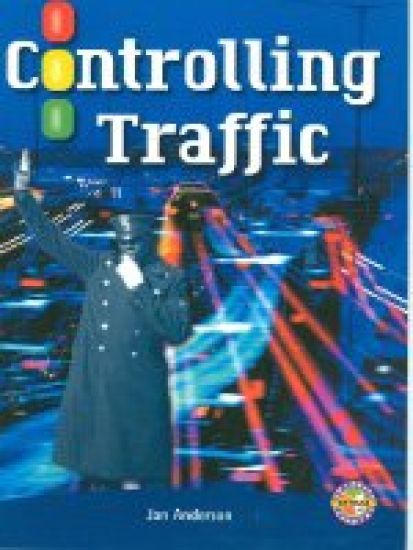
'Controlling Traffic' discusses the changes to traffic in the last hundred years and the need for improved methods of controlling it, so that we can arrive safely at our destination. Nowadays, computers operating 24 hours a day coordinate traffic flow, whether on land, sea, or in the air. What a chaotic place the world would be without these advances in traffic control.