Maiko Masquerade explores Japanese representations of the maiko, or apprentice geisha, in films, manga, and other popular media as an icon of exemplary girlhood. Jan Bardsley traces how the maiko, long stigmatized as a victim of sexual exploitation, emerges in the 2000s as the chaste keeper of Kyoto’s classical artistic traditions. Insider accounts by maiko and geisha, their leaders and fans, show pride in the training, challenges, and rewards maiko face. No longer viewed as a toy for men’s amusement, she serves as catalyst for women’s consumer fun. This change inspires stories of ordinary girls—and even one boy—striving to embody the maiko ideal, engaging in masquerades that highlight questions of personal choice, gender performance, and national identity.
Maiko Masquerade explores Japanese representations of the maiko, or apprentice geisha, in films, manga, and other popular media as an icon of exemplary girlhood. Jan Bardsley traces how the maiko, long stigmatized as a victim of sexual exploitation, emerges in the 2000s as the chaste keeper of Kyoto’s classical artistic traditions. Insider accounts by maiko and geisha, their leaders and fans, show pride in the training, challenges, and rewards maiko face. No longer viewed as a toy for men’s amusement, she serves as catalyst for women’s consumer fun. This change inspires stories of ordinary girls—and even one boy—striving to embody the maiko ideal, engaging in masquerades that highlight questions of personal choice, gender performance, and national identity.
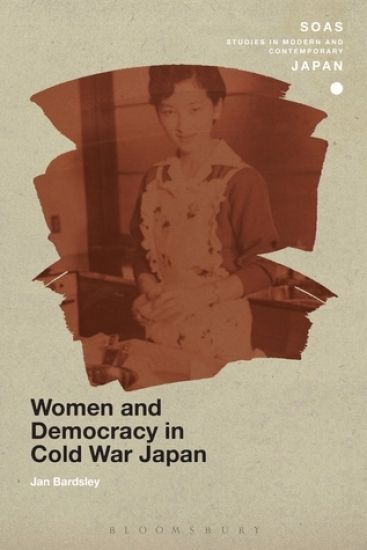
Women and Democracy in Cold War Japan offers a fresh perspective on gender politics by focusing on the Japanese housewife of the 1950s as a controversial representation of democracy, leisure, and domesticity. Examining the shifting personae of the housewife, especially in the appealing texts of women’s magazines, reveals the diverse possibilities of postwar democracy as they were embedded in media directed toward Japanese women. Each chapter explores the contours of a single controversy, including debate over the royal wedding in 1959, the victory of Japan's first Miss Universe, and the unruly desires of postwar women. Jan Bardsley also takes a comparative look at the ways in which the Japanese housewife is measured against equally stereotyped notions of the modern housewife in the United States, asking how both function as narratives of Japan-U.S. relations and gender/class containment during the early Cold War.
Women and Democracy in Cold War Japan offers a fresh perspective on gender politics by focusing on the Japanese housewife of the 1950s as a controversial representation of democracy, leisure, and domesticity. Examining the shifting personae of the housewife, especially in the appealing texts of women’s magazines, reveals the diverse possibilities of postwar democracy as they were embedded in media directed toward Japanese women. Each chapter explores the contours of a single controversy, including debate over the royal wedding in 1959, the victory of Japan's first Miss Universe, and the unruly desires of postwar women. Jan Bardsley also takes a comparative look at the ways in which the Japanese housewife is measured against equally stereotyped notions of the modern housewife in the United States, asking how both function as narratives of Japan-U.S. relations and gender/class containment during the early Cold War.
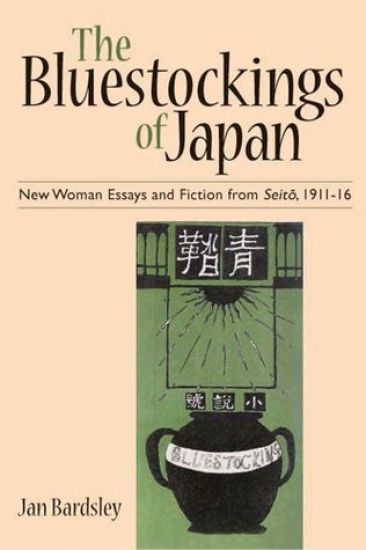
The Bluestockings of Japan introduces English-language readers to a formative chapter in the history of Japanese feminism by presenting for the first time in English translation a collection of writings from Seito (Bluestockings), the famed New Women’s journal of the 1910s. Launched in 1911 as a venue for women’s literary expression and replete with poetry, essays, plays, and stories, Seito soon earned the disapproval of civic leaders, educators, and even prominent women’s rights advocates. Journalists joined these leaders in ridiculing the Bluestockings as self-indulgent, literature-loving, sake-drinking, cigarette-smoking tarts who toyed with men. Yet many young women and men delighted in the Bluestockings’ rebellious stance and paid serious attention to their exploration of the Woman Question, their calls for women’s independence, and their debates on women’s work, sexuality, and identity. Hundreds read the journal and many women felt inspired to contribute their own essays and stories. The seventeen Seito pieces collected here represent some of the journal’s most controversial writing; four of these publications provoked either a strong reprimand or an outright ban on an entire issue by government censors. All consider topics important in debates on feminism to this day such as sexual harassment, abortion, romantic love and sexuality, motherhood, and the meaning of gender equality. The Bluestockings of Japan shows that as much as these writers longed to be New Women immersed in the world of art and philosophy, they were also real women who had to negotiate careers, motherhood, romantic relationships, and an unexpected notoriety. Their stories, essays, and poetry document that journey, highlighting the diversity among these New Women and displaying the vitality of feminist thinking in Japan in the 1910s.