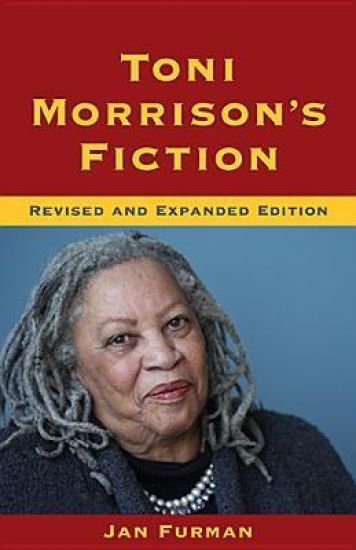
In this revised introduction to Nobel Laureate Toni Morrison's novels, Jan Furman extends and updates her critical commentary. New chapters on four novels following the publication of Jazz in 1992 continue Furman's explorations of Morrison's themes and narrative strategies. In all Furman surveys ten works that include the trilogy novels, a short story, and a book of criticism to identify Morrison's recurrent concern with the destructive tensions that define human experience: the clash of gender and authority, the individual and community, race and national identity, culture and authenticity, and the self and other. As Furman demonstrates, Morrison more often than not renders meaning for characters and readers through an unflinching inquiry, if not resolution, of these enduring conflicts. She is not interested in tidy solutions. Enlightened self-love, knowledge, and struggle, even without the promise of salvation, are the moral measure of Morrison's characters, fiction, and literary imagination.Tracing Morrison's developing art and her career as a public intellectual, Furman examines the novels in order of publication. She also decodes their collective narrative chronology, which begins in the late seventeenth century and ends in the late twentieth century, as Morrison delineates three hundred years of African American experience. In Furman's view Morrison tells new and difficult stories of old, familiar histories such as the making of Colonial America and the racing of American society.In the final chapters Furman pays particular attention to form, noting Morrison's continuing practice of the kind of ""deep"" novelistic structure that transcends plot and imparts much of a novel's meaning. Furman demonstrates, through her helpful analyses, how engaging such innovations can be.