Kirjojen hintavertailu. Mukana 11 678 731 kirjaa ja 12 kauppaa.

Kirjahaku

Etsi kirjoja tekijän nimen, kirjan nimen tai ISBN:n perusteella.

9 kirjaa tekijältä Jane Jackson

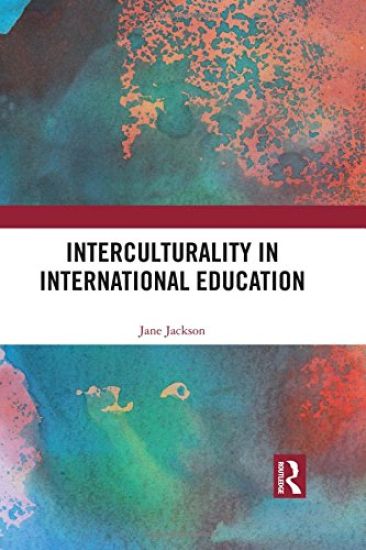
Interculturality in International Education
This comprehensive volume provides a state-of-the-art overview of the key issues and developments in study abroad research and practice with a specific focus on the intercultural and language learning dimensions of the study abroad experience. Rather than looking at individual studies, the book seeks to capture the full complexity of the language learning and intercultural dynamics of study abroad by exploring a wide range of topics of particular interest to study abroad researchers and practitioners, including the role of individual differences, identity reconstruction and interculturality, the challenges of assessing learning outcomes, and recent pedagogical interventions designed to enhance and extend language learning and engagement in these contexts. The volume also takes a step back to look at future directions for study abroad research and offers innovative interventions in study abroad programming that emphasise its intercultural elements. This book is an authoritative resource for study abroad scholars and researchers in such fields as intercultural communication, applied linguistics, sociolinguistics, and language education.

Navigating Career Crossroads

Navigating Career Crossroads

Jane Jackson

OMNE Publishing
2020
nidottu
Navigating Career Crossroads shows you how to confidently take a new direction in your career. This book delivers actionable, practical advice to help you land your dream position, from gaining self confidence, to developing a powerful resume and LinkedIn profile and successfully prepare for job interviews. Navigating Career Crossroads supports you every step of the way through any career transition.You are guided through the seven essential steps to secure your ideal role: Confidently manage changeAssess what makes you tickResumes and your marketing communicationExpress your Personal BrandExplore job search strategies that workRelate your value and impress at interviewsStrategies for career successConfidently conduct an effective job search and successfully transition into your new role. With these seven steps it will be sooner than you think
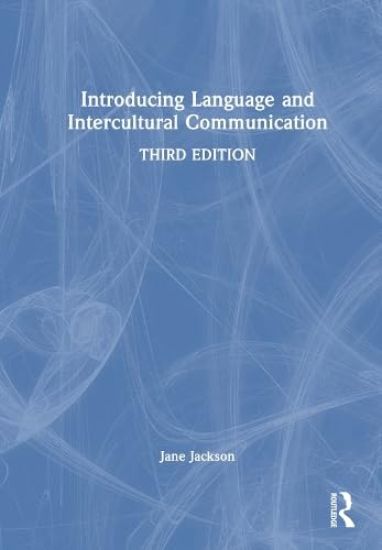
Introducing Language and Intercultural Communication
This fully updated third edition of Introducing Language and Intercultural Communication provides an accessible, lively introduction for students who are new to the study of intercultural communication, with special attention devoted to the language dimension.Incorporating real-life examples from around the world and drawing on current research, this text argues against cultural stereotyping and instead provides students with a skill-building framework to enhance understanding of the complexities of language use and intercultural communication in diverse settings. Readers will learn to become more attuned to power relations and the ways in which a complex mix of internal and external factors can influence language choice/attitudes, the intercultural communication process, and intercultural relationship building.Features new to this edition include: ‘pause and reflect’ boxes and images throughout each chapter that encourage meaning making and connections between theories and practice dialogues and student accounts of intercultural experiences that link theories with real-life applications discussion questions, journal jumpstarts, and suggested activities at the end of each chapter to engage students and provide a more interactive experience new material that takes account of key social, cultural, and political events, such as the COVID-19 pandemic, the refugee crisis, the climate emergency, and the rise of populism updated theoretical constructs that reflect recent developments in this area of study, such as criticality and reflexivity in intercultural communication refreshed references and glossary to enhance understanding of key terms and concepts revised and updated Instructor and Student Resources, including recommended resources on intercultural pedagogy, sample course schedules and assignments, in-depth chapter-specific resources, and a test bank revised and updated student resources, including suggested readings and links to online resources, key terms for each chapter, e-flash cards, study quizzes, and a glossaryThis is the essential textbook for introductory courses in language and intercultural communication within applied linguistics and communication studies.
Introducing Language and Intercultural Communication
This fully updated third edition of Introducing Language and Intercultural Communication provides an accessible, lively introduction for students who are new to the study of intercultural communication, with special attention devoted to the language dimension.Incorporating real-life examples from around the world and drawing on current research, this text argues against cultural stereotyping and instead provides students with a skill-building framework to enhance understanding of the complexities of language use and intercultural communication in diverse settings. Readers will learn to become more attuned to power relations and the ways in which a complex mix of internal and external factors can influence language choice/attitudes, the intercultural communication process, and intercultural relationship building.Features new to this edition include: ‘pause and reflect’ boxes and images throughout each chapter that encourage meaning making and connections between theories and practice dialogues and student accounts of intercultural experiences that link theories with real-life applications discussion questions, journal jumpstarts, and suggested activities at the end of each chapter to engage students and provide a more interactive experience new material that takes account of key social, cultural, and political events, such as the COVID-19 pandemic, the refugee crisis, the climate emergency, and the rise of populism updated theoretical constructs that reflect recent developments in this area of study, such as criticality and reflexivity in intercultural communication refreshed references and glossary to enhance understanding of key terms and concepts revised and updated Instructor and Student Resources, including recommended resources on intercultural pedagogy, sample course schedules and assignments, in-depth chapter-specific resources, and a test bank revised and updated student resources, including suggested readings and links to online resources, key terms for each chapter, e-flash cards, study quizzes, and a glossaryThis is the essential textbook for introductory courses in language and intercultural communication within applied linguistics and communication studies.
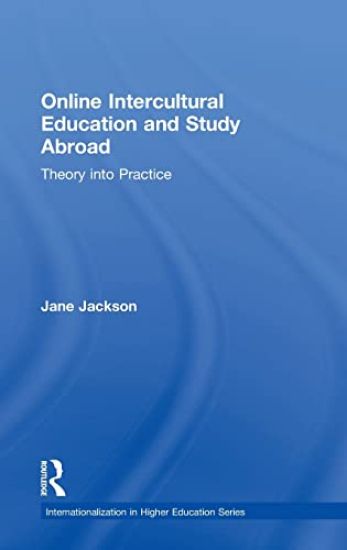
Online Intercultural Education and Study Abroad
With the increasing focus on international education and study abroad programmes, Online Intercultural Education and Study Abroad meets the need for a text that addresses ways in which technology may be harnessed to enhance student experience. Combining case studies with theoretical insights, this book critically investigates the effectiveness of a fully online study abroad intervention that was designed to optimise intercultural learning in an international context. Intercultural education researchers and practitioners are provided with theory-based practical ideas such as eLearning strategies and online mentoring tips to help students maximise their intercultural education journey, intercultural competence development, and social engagement while abroad. Both practical and research-focused, this volume considers a wide range of topics, including: Contemporary notions of experiential learning Guided critical reflection through e-mentoring A social contructivist orientation towards eLearning pedgagogy Tools to help understand and measure learner development abroadOnline Intercultural Education and Study Abroad is suitable for both novice and experienced study abroad practitioners, researchers, and administrators. Satisfying the growing interest in using eLearning within study abroad programmes, this book will be a necessary point of reference for any institution that aims to enhance international educational experience, especially through the use of technology.
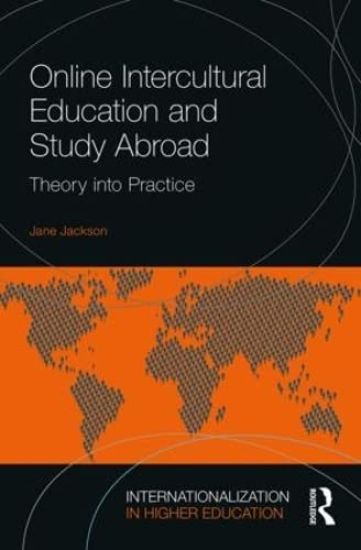
Online Intercultural Education and Study Abroad
With the increasing focus on international education and study abroad programmes, Online Intercultural Education and Study Abroad meets the need for a text that addresses ways in which technology may be harnessed to enhance student experience. Combining case studies with theoretical insights, this book critically investigates the effectiveness of a fully online study abroad intervention that was designed to optimise intercultural learning in an international context. Intercultural education researchers and practitioners are provided with theory-based practical ideas such as eLearning strategies and online mentoring tips to help students maximise their intercultural education journey, intercultural competence development, and social engagement while abroad. Both practical and research-focused, this volume considers a wide range of topics, including: Contemporary notions of experiential learning Guided critical reflection through e-mentoring A social contructivist orientation towards eLearning pedgagogy Tools to help understand and measure learner development abroadOnline Intercultural Education and Study Abroad is suitable for both novice and experienced study abroad practitioners, researchers, and administrators. Satisfying the growing interest in using eLearning within study abroad programmes, this book will be a necessary point of reference for any institution that aims to enhance international educational experience, especially through the use of technology.
Interculturality in International Education
This comprehensive volume provides a state-of-the-art overview of the key issues and developments in study abroad research and practice with a specific focus on the intercultural and language learning dimensions of the study abroad experience. Rather than looking at individual studies, the book seeks to capture the full complexity of the language learning and intercultural dynamics of study abroad by exploring a wide range of topics of particular interest to study abroad researchers and practitioners, including the role of individual differences, identity reconstruction and interculturality, the challenges of assessing learning outcomes, and recent pedagogical interventions designed to enhance and extend language learning and engagement in these contexts. The volume also takes a step back to look at future directions for study abroad research and offers innovative interventions in study abroad programming that emphasise its intercultural elements. This book is an authoritative resource for study abroad scholars and researchers in such fields as intercultural communication, applied linguistics, sociolinguistics, and language education.
Language, Identity and Study Abroad

Language, Identity and Study Abroad

Jane Jackson

Equinox Publishing Ltd
2008
sidottu
A growing number of foreign language students are taking part in study and residence abroad programs but what actually happens when they cross cultures in an unfamiliar land? What effect can a sojourn have on their sense of self and their perceptions of the target language and culture? What factors affect their willingness to use the target language in social settings? This book is based on the premise that student sojourners and educators can benefit from a deeper understanding of the language, identity, and cultural factors that impact on the development of intercultural communicative competence and intercultural personhood, "a new, alternative identity that is broader, more inclusive, more intercultural...something that will always contain the old and the new side by side to form "a third kind" - a kind that allows more openness and acceptance of differences in people" (Kim, 2001: 232-3). Linking contemporary sociocultural/identity theories with practice, the relationship between language and cultural learning and identity reconstruction are examined through an ethnographic exploration of the actual experiences of study abroad participants. The book provides a unique, interdisciplinary perspective, addressing issues of importance to professionals in second language acquisition, sociolinguistics, cross-cultural psychology, speech communication, and intercultural communication.
Language, Identity and Study Abroad

Language, Identity and Study Abroad

Jane Jackson

Equinox Publishing Ltd
2008
pokkari
A growing number of foreign language students are taking part in study and residence abroad programs but what actually happens when they cross cultures in an unfamiliar land? What effect can a sojourn have on their sense of self and their perceptions of the target language and culture? What factors affect their willingness to use the target language in social settings? This book is based on the premise that student sojourners and educators can benefit from a deeper understanding of the language, identity, and cultural factors that impact on the development of intercultural communicative competence and intercultural personhood, "a new, alternative identity that is broader, more inclusive, more intercultural...something that will always contain the old and the new side by side to form "a third kind" - a kind that allows more openness and acceptance of differences in people" (Kim, 2001: 232-3). Linking contemporary sociocultural/identity theories with practice, the relationship between language and cultural learning and identity reconstruction are examined through an ethnographic exploration of the actual experiences of study abroad participants. The book provides a unique, interdisciplinary perspective, addressing issues of importance to professionals in second language acquisition, sociolinguistics, cross-cultural psychology, speech communication, and intercultural communication.