Kirjojen hintavertailu. Mukana 11 627 362 kirjaa ja 12 kauppaa.

Kirjahaku

Etsi kirjoja tekijän nimen, kirjan nimen tai ISBN:n perusteella.

3 kirjaa tekijältä Jane L. Collins

Threads

Threads

Jane L. Collins

University of Chicago Press
2003
nidottu
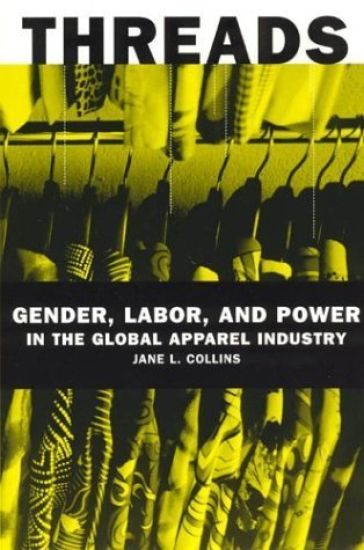
Americans have been shocked by media reports of the dismal working conditions in factories that make clothing for U.S. companies. But while well intentioned, many of these reports about child labor and sweatshop practices rely on stereotypes of how Third World factories operate, ignoring the complex economic dynamics driving the global apparel industry.To dispel these misunderstandings, Jane L. Collins visited two very different apparel firms and their factories in the United States and Mexico. Moving from corporate headquarters to factory floors, her study traces the diverse ties that link First and Third World workers and managers, producers and consumers. Collins examines how the transnational economics of the apparel industry allow firms to relocate or subcontract their work anywhere in the world, making it much harder for garment workers in the United States or any other country to demand fair pay and humane working conditions.Putting a human face on globalization, Threads shows not only how international trade affects local communities but also how workers can organize in this new environment to more effectively demand better treatment from their distant corporate employers.
The Politics of Value

The Politics of Value

Jane L. Collins

University of Chicago Press
2017
sidottu
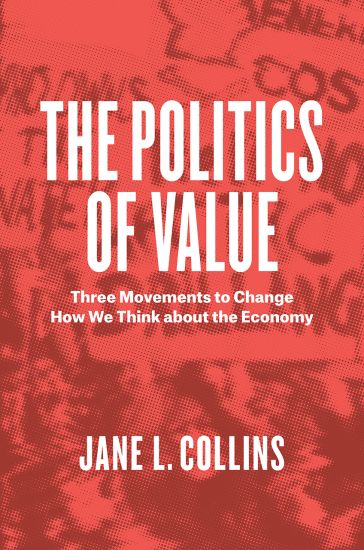
The Great Recession not only shook Americans' economic faith but also prompted powerful critiques of economic institutions. This timely book explores three movements that gathered force after 2008: the rise of the benefit corporation, which requires social responsibility and eschews share price as the best metric for success; the emergence of a new group, Slow Money, that fosters peer-to-peer investing; and the 2011 Wisconsin protests against a bill restricting the union rights of state workers. Each case shows how the concrete actions of a group of citizens can prompt us to reflect on what is needed for a just and sustainable economic system. In one case, activists raised questions about the responsibilities of business, in the second about the significance of local economies, and in the third about the contributions of the public sector. Through these movements, Jane L. Collins maps a set of cultural conversations about the types of investments and activities that contribute to the health of the economy. Compelling and persuasive, The Politics of Value offers a new framework for viewing economic value, one grounded in thoughtful assessment of the social division of labor and the relationship of the state and the market to civil society.
The Politics of Value

The Politics of Value

Jane L. Collins

University of Chicago Press
2017
nidottu
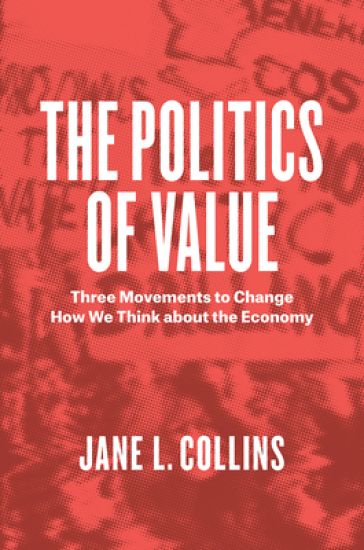
The Great Recession not only shook Americans' economic faith but also prompted powerful critiques of economic institutions. This timely book explores three movements that gathered force after 2008: the rise of the benefit corporation, which requires social responsibility and eschews share price as the best metric for success; the emergence of a new group, Slow Money, that fosters peer-to-peer investing; and the 2011 Wisconsin protests against a bill restricting the union rights of state workers. Each case shows how the concrete actions of a group of citizens can prompt us to reflect on what is needed for a just and sustainable economic system. In one case, activists raised questions about the responsibilities of business, in the second about the significance of local economies, and in the third about the contributions of the public sector. Through these movements, Jane L. Collins maps a set of cultural conversations about the types of investments and activities that contribute to the health of the economy. Compelling and persuasive, The Politics of Value offers a new framework for viewing economic value, one grounded in thoughtful assessment of the social division of labor and the relationship of the state and the market to civil society.