Kirjojen hintavertailu. Mukana 11 627 461 kirjaa ja 12 kauppaa.

Kirjahaku

Etsi kirjoja tekijän nimen, kirjan nimen tai ISBN:n perusteella.

2 kirjaa tekijältä Jane Marie Law; Vanessa R Sasson

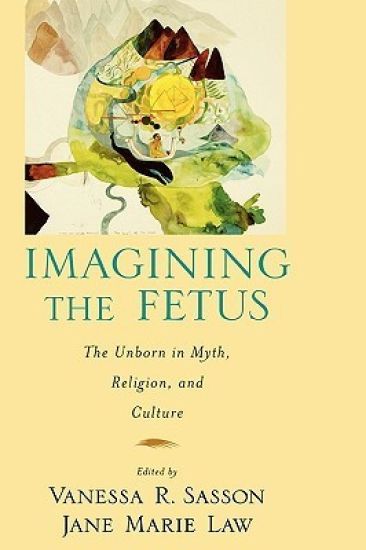
Imagining the Fetus

Imagining the Fetus

Jane Marie Law; Vanessa R Sasson

Oxford University Press Inc
2009
sidottu
In contemporary Western culture, the word "fetus" introduces either a political subject or a literal, medicalized entity. Neither of these frameworks does justice to the vast array of religious literature and oral traditions from cultures around the world in which the fetus emerges as a powerful symbol or metaphor. This volume presents essays that explore the depiction of the fetus in the world's major religious traditions, finding some striking commonalities as well as intriguing differences. Among the themes that emerge is the tendency to conceive of the fetus as somehow independent of the mother's body -- as in the case of the Buddha, who is described as inhabiting a palace while gestating in the womb. On the other hand, the fetus can also symbolically represent profound human needs and emotions, such as the universal experience of vulnerability. The authors note how the advent of the fetal sonogram has transformed how people everywhere imagine the unborn today, giving rise to a narrow range of decidedly literal questions about personhood, gender, and disability.
Imagining the Fetus

Imagining the Fetus

Jane Marie Law; Vanessa R Sasson

Oxford University Press Inc
2009
nidottu
In contemporary Western culture, the word "fetus" introduces either a political subject or a literal, medicalized entity. Neither of these frameworks does justice to the vast array of religious literature and oral traditions from cultures around the world in which the fetus emerges as a powerful symbol or metaphor. This volume presents essays that explore the depiction of the fetus in the world's major religious traditions, finding some striking commonalities as well as intriguing differences. Among the themes that emerge is the tendency to conceive of the fetus as somehow independent of the mother's body -- as in the case of the Buddha, who is described as inhabiting a palace while gestating in the womb. On the other hand, the fetus can also symbolically represent profound human needs and emotions, such as the universal experience of vulnerability. The authors note how the advent of the fetal sonogram has transformed how people everywhere imagine the unborn today, giving rise to a narrow range of decidedly literal questions about personhood, gender, and disability.