Kirjojen hintavertailu. Mukana 11 699 587 kirjaa ja 12 kauppaa.

Kirjahaku

Etsi kirjoja tekijän nimen, kirjan nimen tai ISBN:n perusteella.

3 kirjaa tekijältä Janet Gyatso

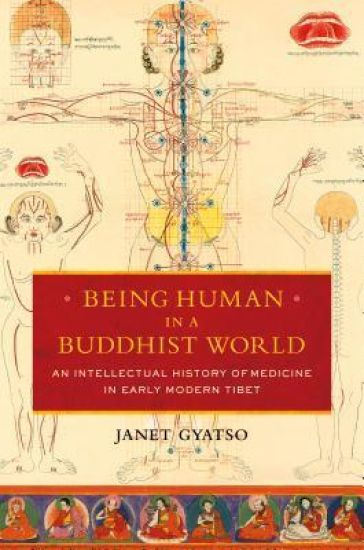
Being Human in a Buddhist World

Being Human in a Buddhist World

Janet Gyatso

Columbia University Press
2015
sidottu
Critically exploring medical thought in a cultural milieu with no discernible influence from the European Enlightenment, Being Human in a Buddhist World reveals an otherwise unnoticed intersection of early modern sensibilities and religious values in traditional Tibetan medicine. It further studies the adaptation of Buddhist concepts and values to medical concerns and suggests important dimensions of Buddhism's role in the development of Asian and global civilization. Through its unique focus and sophisticated reading of source materials, Being Human adds a crucial chapter in the larger historiography of science and religion. The book opens with the bold achievements in Tibetan medical illustration, commentary, and institution building during the period of the Fifth Dalai Lama and his regent, Desi Sangye Gyatso, then looks back to the work of earlier thinkers, tracing a strategically astute dialectic between scriptural and empirical authority on questions of history and the nature of human anatomy. It follows key differences between medicine and Buddhism in attitudes toward gender and sex and the moral character of the physician, who had to serve both the patient's and the practitioner's well-being. Being Human in a Buddhist World ultimately finds that Tibetan medical scholars absorbed ethical and epistemological categories from Buddhism yet shied away from ideal systems and absolutes, instead embracing the imperfectability of the human condition.
Being Human in a Buddhist World

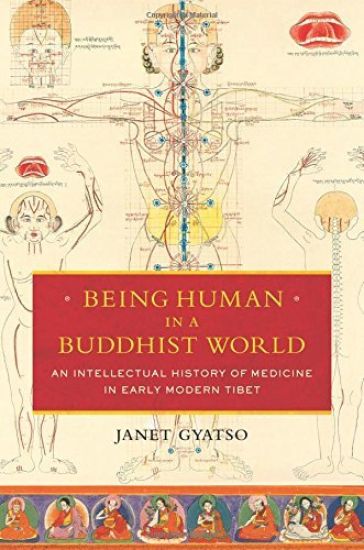
Being Human in a Buddhist World

Janet Gyatso

Columbia University Press
2016
pokkari
Critically exploring medical thought in a cultural milieu with no discernible influence from the European Enlightenment, Being Human in a Buddhist World reveals an otherwise unnoticed intersection of early modern sensibilities and religious values in traditional Tibetan medicine. It further studies the adaptation of Buddhist concepts and values to medical concerns and suggests important dimensions of Buddhism's role in the development of Asian and global civilization. Through its unique focus and sophisticated reading of source materials, Being Human adds a crucial chapter in the larger historiography of science and religion. The book opens with the bold achievements in Tibetan medical illustration, commentary, and institution building during the period of the Fifth Dalai Lama and his regent, Desi Sangye Gyatso, then looks back to the work of earlier thinkers, tracing a strategically astute dialectic between scriptural and empirical authority on questions of history and the nature of human anatomy. It follows key differences between medicine and Buddhism in attitudes toward gender and sex and the moral character of the physician, who had to serve both the patient's and the practitioner's well-being. Being Human in a Buddhist World ultimately finds that Tibetan medical scholars absorbed ethical and epistemological categories from Buddhism yet shied away from ideal systems and absolutes, instead embracing the imperfectability of the human condition.
Apparitions of the Self

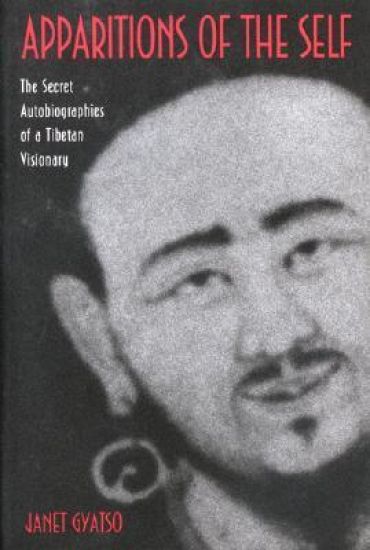
Apparitions of the Self

Janet Gyatso

Princeton University Press
1999
pokkari
Apparitions of the Self is a groundbreaking investigation into what is known in Tibet as "secret autobiography," an exceptional, rarely studied literary genre that presents a personal exploration of intimate religious experiences. In this volume, Janet Gyatso translates and studies the outstanding pair of secret autobiographies by the famed Tibetan Buddhist visionary, Jigme Lingpa (1730-1798), whose poetic and self-conscious writings are as much about the nature of his own identity, memory, and the undecidabilities of autobiographical truth as they are narrations of the actual content of his experiences. Their translation in this book marks the first time that works of this sort have been translated in a Western language. Gyatso is among the first to consider Tibetan literature from a comparative perspective, examining the surprising fit--as well as the misfit--of Western literary theory with Tibetan autobiography. She examines the intriguing questions of why Tibetan Buddhists produced so many autobiographies (far more than other Asian Buddhists) and how autobiographical self-assertion is possible even while Buddhists believe that the self is ultimately an illusion. Also explored are Jigme Lingpa's historical milieu, his revelatory visions of the ancient Tibetan dynasty, and his meditative practices of personal cultivation. The book concludes with a study of the subversive female figure of the "Dakini" in Jigme Lingpa's writings, and the implications of her gender, her sexuality, and her unsettling discourse for the autobiographical subject in Tibet.