Kirjojen hintavertailu. Mukana 11 244 527 kirjaa ja 12 kauppaa.

Kirjahaku

Etsi kirjoja tekijän nimen, kirjan nimen tai ISBN:n perusteella.

2 kirjaa tekijältä Janet Hilderley

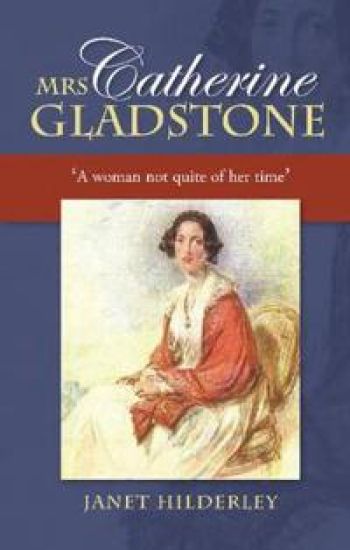
Mrs Catherine Gladstone

Mrs Catherine Gladstone

Janet Hilderley

The Alpha Press Ltd
2012
nidottu
Catherine Glynne was born in 1812, in the same year as Charles Dickens. An earl's daughter she married the son of a self-made merchant, William Ewart Gladstone, who became Queen Victoria's Prime Minister on four occasions. While the Queen and the PM loathed each other, they both loved Catherine, Gladstone's wife. After a long and indecisive courtship, Gladstone said of his new wife that my Cathie forever twinkles. Society remarked that her beauty showed a profound intelligence. Catherine loved being in the main stream of action but disliked politicians, fashion and social niceties. Unusual for the time Gladstone was present at the birth of each of their eight children and Catherine insisted on feeding them herself. Mrs Gladstone's primary concern was support of the poor - in particular those suffering from cholera, near-starving mill girls and homeless orphans. She established the concept of free convalescent homes and her common-sense influenced the Poor Laws. To maintain her genius for charity she took every opportunity to approach Gladstone's friends for financial support for her good works. In return she found places for her husband's 'rescue' women - young girls forced into prostitution as a result of poverty. When her brother's ironworks failed Catherine and her family faced poverty. It was Gladstone's financial skills that saved the family from bankruptcy. Catherine died on 14th June, 1900. Pertinent to this biography is the letter the author wrote to the Church Times about the reasons behind the riots in London and elsewhere in the United Kingdom, in August 2011. The letter header - "Mrs Gladstone! thou shouldst be living at this hour" - drew attention to a personality who in her time confronted severe social need through community action (the letter text is reproduced on the Press website).
Harry Worsfold (1839-1939)

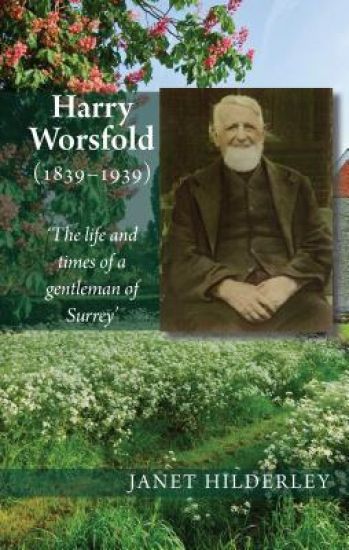
Harry Worsfold (1839-1939)

Janet Hilderley

LIVERPOOL UNIVERSITY PRESS
2015
nidottu
In my grandparents’ front parlour there hung a portrait of my great-grandfather, Harry Worsfold. His tales of old Surrey together with its ghosts and superstitions enthralled me. Close by lay the great family Bible. In this he entered the birth of each of his twelve children. Later he added their marriages and the arrival of his numerous grandchildren. Harry was born in 1839, when Queen Victoria was but a girl. As a boy he witnessed a public hanging, threw stones at passing coaches and tolled the church bell for the Duke of Wellington’s funeral. At ten years of age he became “buttons” to Ripley’s squire and lived in that village for most of his life. Service was not to his style and he became a stockman. As sexton to the parish church, his life became interwoven with that of the great and the good who lived in the surrounding estates. Harry lived through a period of intense social change and would boast that he was the last of the parish constables. The barbarity of the Great War shocked him. He agreed with George V: “Grandma would never have allowed this.” When his son-in-law, George, left the Royal Horticultural Society (RHS) garden at Wisley to fight in the Great War, Harry, now a widower, joined his daughter and her baby son in their RHS cottage. On 18 February 1939, George wrote in the family Bible, Today Harry Worsfold (1839 to 1939) died. He said he was the last of the parish constables. He was certainly the last of a breed of men.