Kirjojen hintavertailu. Mukana 11 699 587 kirjaa ja 12 kauppaa.

Kirjahaku

Etsi kirjoja tekijän nimen, kirjan nimen tai ISBN:n perusteella.

8 kirjaa tekijältä Janet Hunter

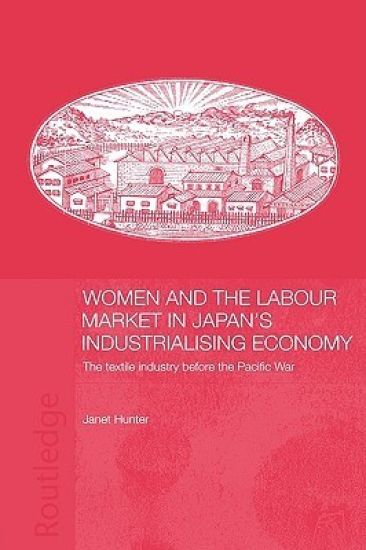
Women and the Labour Market in Japan's Industrialising Economy
During the period of industrialisation in Japan from the 1870s to the 1930s, the textile industry was Japan's largest manufacturing industry, and the country's major source of export earnings. It had a predominantly female labour force, drawn mainly from the agricultural population. This book examines the institutions of the labour market of this critical industry during this important period for Japanese economic development. Based on extensive original research, the book provides a wealth of detail, showing amongst other things the complexity of the labour market, the interdependence of the agricultural and manufacturing sectors, and the importance of gender. It argues that the labour market institutions which developed in this period had a profound effect on the labour market and labour relations in the postwar years.
Women and the Labour Market in Japan's Industrialising Economy
During the period of industrialisation in Japan from the 1870s to the 1930s, the textile industry was Japan's largest manufacturing industry, and the country's major source of export earnings. It had a predominantly female labour force, drawn mainly from the agricultural population. This book examines the institutions of the labour market of this critical industry during this important period for Japanese economic development. Based on extensive original research, the book provides a wealth of detail, showing amongst other things the complexity of the labour market, the interdependence of the agricultural and manufacturing sectors, and the importance of gender. It argues that the labour market institutions which developed in this period had a profound effect on the labour market and labour relations in the postwar years.
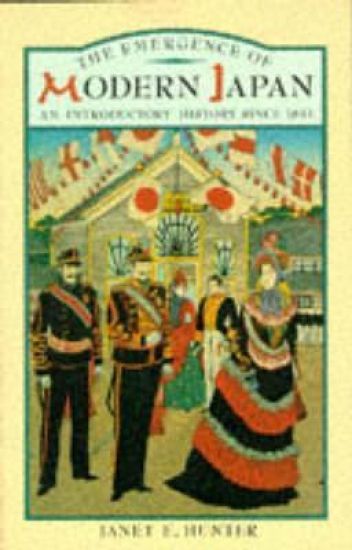
The Emergence of Modern Japan

The Emergence of Modern Japan

Janet Hunter

Routledge
1989
nidottu
The main emphasis of this book is upon political, social and economic developments, as conditioned by Japan's interaction with the outside world, the advance of industrialisation and the emergence of the Japanese nation state.Unlike previous textbooks on the history of modern Japan, Janet Hunter's book adopts a thematic approach which makes the period much more accessible for readers who wish to pursue their particular interests throughout the period. Moreover, it will also establish a greater awareness of the cultural and institutional continuities which are crucial to any proper understanding of modern Japan.
'Deficient in Commercial Morality'?

'Deficient in Commercial Morality'?

Janet Hunter

Palgrave Macmillan
2016
sidottu
This enlightening text analyses the origins of Western complaints, prevalent in the late nineteenth century, that Japan was characterised at the time by exceptionally low standards of 'commercial morality', despite a major political and economic transformation. As Britain industrialised during the nineteenth century the issue of 'commercial morality' was increasingly debated. Concerns about standards of business ethics extended to other industrialising economies, such as the United States. Hunter examines the Japanese response to the charges levelled against Japan in this context, arguing that this was shaped by a pragmatic recognition that Japan had little choice but to adapt itself to Western expectations if it was to establish its position in the global economy. The controversy and criticisms, which were at least in part stimulated by fear of Japanese competition, are important in the history of thinking on business ethics, and are of relevance for today's industrialising economies as they attempt to establish themselves in international markets.
The Emergence of Modern Japan

The Emergence of Modern Japan

Janet Hunter

Routledge
2016
sidottu
The main emphasis of this book is upon political, social and economic developments, as conditioned by Japan's interaction with the outside world, the advance of industrialisation and the emergence of the Japanese nation state. Unlike previous textbooks on the history of modern Japan, Janet Hunter's book adopts a thematic approach which makes the period much more accessible for readers who wish to pursue their particular interests throughout the period. Moreover, it will also establish a greater awareness of the cultural and institutional continuities which are crucial to any proper understanding of modern Japan.