Kirjojen hintavertailu. Mukana 11 244 527 kirjaa ja 12 kauppaa.

Kirjahaku

Etsi kirjoja tekijän nimen, kirjan nimen tai ISBN:n perusteella.

6 kirjaa tekijältä Janet McIntosh

Kill Talk

Kill Talk

Janet McIntosh

OXFORD UNIVERSITY PRESS INC
2025
sidottu
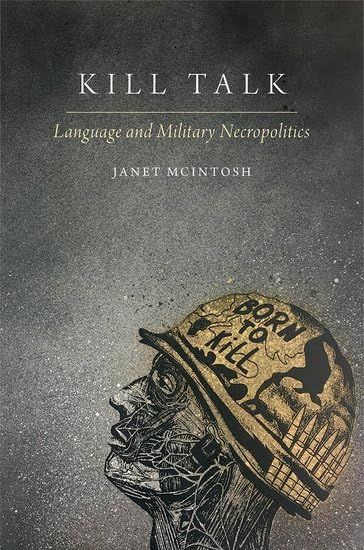
The language used by American military personnel can be intense and confrontational, yet the relationship between language and military violence is rarely examined in depth. This groundbreaking book offers a unique perspective on how language facilitates the work of combat infantry-the state's killable killers. Through vivid ethnographic research, Janet McIntosh meticulously traces the nuances of military “kill talk” as it permeates the vast nervous system of the military, from the first exposure to yelling in Marine Corps basic training to the dark humor and nihilistic expressions found in war zones in Vietnam and the Middle East. McIntosh reveals how military trainers use language to deindividuate, toughen, and masculinize recruits, while infantry soldiers develop distinct linguistic repertoires and attitudes to suppress empathy, dehumanize and racialize the enemy, cope with loss, and dwell in a moral gray zone. Kill Talk also addresses national debates over language use in a diverse world, exploring tensions between calls for sensitivity and restraint in military speech and the perception that these can threaten national security. The book highlights the contradictions between the rhetoric of military honor and moral integrity and the harsh, sometimes depraved, language of combatants, suggesting that these paradoxes enable military violence yet contribute to moral injury. It concludes with an exploration of veteran poets and artists who have found innovative ways to use language and other forms of expression to critique military institutions and begin the process of demilitarizing their psyches.
Kill Talk

Kill Talk

Janet McIntosh

OXFORD UNIVERSITY PRESS INC
2025
nidottu
The language used by American military personnel can be intense and confrontational, yet the relationship between language and military violence is rarely examined in depth. This groundbreaking book offers a unique perspective on how language facilitates the work of combat infantry-the state's killable killers. Through vivid ethnographic research, Janet McIntosh meticulously traces the nuances of military “kill talk” as it permeates the vast nervous system of the military, from the first exposure to yelling in Marine Corps basic training to the dark humor and nihilistic expressions found in war zones in Vietnam and the Middle East. McIntosh reveals how military trainers use language to deindividuate, toughen, and masculinize recruits, while infantry soldiers develop distinct linguistic repertoires and attitudes to suppress empathy, dehumanize and racialize the enemy, cope with loss, and dwell in a moral gray zone. Kill Talk also addresses national debates over language use in a diverse world, exploring tensions between calls for sensitivity and restraint in military speech and the perception that these can threaten national security. The book highlights the contradictions between the rhetoric of military honor and moral integrity and the harsh, sometimes depraved, language of combatants, suggesting that these paradoxes enable military violence yet contribute to moral injury. It concludes with an exploration of veteran poets and artists who have found innovative ways to use language and other forms of expression to critique military institutions and begin the process of demilitarizing their psyches.
Unsettled

Unsettled

Janet McIntosh

University of California Press
2016
sidottu
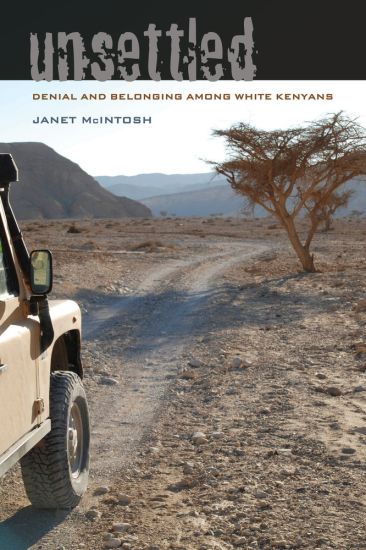
In 1963, Kenya gained independence from Britain, ending decades of white colonial rule. While tens of thousands of whites relocated in fear of losing their fortunes, many stayed. But over the past decade, protests, scandals, and upheavals have unsettled families with colonial origins, reminding them that their belonging is tenuous. In this book, Janet McIntosh looks at the lives and dilemmas of settler descendants living in post-independence Kenya. From clinging to a lost colonial identity to pronouncing a new Kenyan nationality, the public face of white Kenyans has undergone changes fraught with ambiguity. Drawing on fieldwork and interviews, McIntosh focuses on their discourse and narratives to ask: What stories do settler descendants tell about their claim to belong in Kenya? How do they situate themselves vis-a-vis the colonial past and anti-colonial sentiment, phrasing and re-phrasing their memories and judgments as they seek a position they feel is ethically acceptable? McIntosh explores contradictory and diverse responses: moral double consciousness, aspirations to uplift the nation, ideological blind-spots, denials, and self-doubt as her respondents strain to defend their entitlements in the face of mounting Kenyan rhetorics of ancestry.
Unsettled

Unsettled

Janet McIntosh

University of California Press
2016
pokkari
In 1963, Kenya gained independence from Britain, ending decades of white colonial rule. While tens of thousands of whites relocated in fear of losing their fortunes, many stayed. But over the past decade, protests, scandals, and upheavals have unsettled families with colonial origins, reminding them that their belonging is tenuous. In this book, Janet McIntosh looks at the lives and dilemmas of settler descendants living in post-independence Kenya. From clinging to a lost colonial identity to pronouncing a new Kenyan nationality, the public face of white Kenyans has undergone changes fraught with ambiguity. Drawing on fieldwork and interviews, McIntosh focuses on their discourse and narratives to ask: What stories do settler descendants tell about their claim to belong in Kenya? How do they situate themselves vis-a-vis the colonial past and anti-colonial sentiment, phrasing and re-phrasing their memories and judgments as they seek a position they feel is ethically acceptable? McIntosh explores contradictory and diverse responses: moral double consciousness, aspirations to uplift the nation, ideological blind-spots, denials, and self-doubt as her respondents strain to defend their entitlements in the face of mounting Kenyan rhetorics of ancestry.
The Edge of Islam

The Edge of Islam

Janet McIntosh

Duke University Press
2009
sidottu
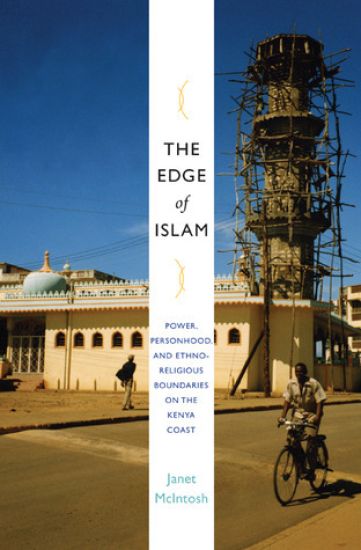
In this theoretically rich exploration of ethnic and religious tensions, Janet McIntosh demonstrates how the relationship between two ethnic groups in the bustling Kenyan town of Malindi is reflected in and shaped by the different ways the two groups relate to Islam. While Swahili and Giriama peoples are historically interdependent, today Giriama find themselves literally and metaphorically on the margins, peering in at a Swahili life of greater social and economic privilege. Giriama are frustrated to find their ethnic identity disparaged and their versions of Islam sometimes rejected by Swahili. The Edge of Islam explores themes as wide-ranging as spirit possession, divination, healing rituals, madness, symbolic pollution, ideologies of money, linguistic code-switching, and syncretism and its alternatives. McIntosh shows how the differing versions of Islam practiced by Swahili and Giriama, and their differing understandings of personhood, have figured in the growing divisions between the two groups. Her ethnographic analysis helps to explain why Giriama view Islam, a supposedly universal religion, as belonging more deeply to certain ethnic groups than to others; why Giriama use Islam in their rituals despite the fact that so many do not consider the religion their own; and how Giriama appropriations of Islam subtly reinforce a distance between the religion and themselves. The Edge of Islam advances understanding of ethnic essentialism, religious plurality, spirit possession, local conceptions of personhood, and the many meanings of “Islam” across cultures.
The Edge of Islam

The Edge of Islam

Janet McIntosh

Duke University Press
2009
pokkari
In this theoretically rich exploration of ethnic and religious tensions, Janet McIntosh demonstrates how the relationship between two ethnic groups in the bustling Kenyan town of Malindi is reflected in and shaped by the different ways the two groups relate to Islam. While Swahili and Giriama peoples are historically interdependent, today Giriama find themselves literally and metaphorically on the margins, peering in at a Swahili life of greater social and economic privilege. Giriama are frustrated to find their ethnic identity disparaged and their versions of Islam sometimes rejected by Swahili. The Edge of Islam explores themes as wide-ranging as spirit possession, divination, healing rituals, madness, symbolic pollution, ideologies of money, linguistic code-switching, and syncretism and its alternatives. McIntosh shows how the differing versions of Islam practiced by Swahili and Giriama, and their differing understandings of personhood, have figured in the growing divisions between the two groups. Her ethnographic analysis helps to explain why Giriama view Islam, a supposedly universal religion, as belonging more deeply to certain ethnic groups than to others; why Giriama use Islam in their rituals despite the fact that so many do not consider the religion their own; and how Giriama appropriations of Islam subtly reinforce a distance between the religion and themselves. The Edge of Islam advances understanding of ethnic essentialism, religious plurality, spirit possession, local conceptions of personhood, and the many meanings of “Islam” across cultures.